
Introduction
Blockchain technology is an innovative way to store and share digital information on a secure and distributed ledger. It is a decentralized system that uses cryptography to ensure the integrity of data stored on it. By leveraging the power of distributed networks, blockchain technology can provide greater transparency and efficiency in many industries.
A Guide to Blockchain Technology: What is it and How Does it Work?
Blockchain technology is based on the concept of using a shared ledger to store and manage records. This ledger is distributed across multiple computers, known as “nodes”, which are connected to each other in a peer-to-peer network. Each node holds a copy of the ledger and updates it regularly with new transactions. Through this process, the ledger is constantly being updated, making it virtually impossible for anyone to tamper with the data.
Blockchain technology has several different types of networks. These include public blockchains, private blockchains, and consortium blockchains. Public blockchains are open to anyone who wants to join, while private blockchains are restricted to specific participants. Consortium blockchains are a hybrid between public and private blockchains, where a group of entities control access to the network.
One of the main benefits of using blockchain technology is that it provides a secure and immutable way to store and transfer data. All transactions are recorded on the blockchain and cannot be modified or deleted. This makes it difficult for hackers to steal or manipulate data, as they would need to gain access to all of the nodes on the network in order to do so. Additionally, because the ledger is distributed across multiple computers, it is highly resilient to outages or technical failures.

Exploring the Basics of Blockchain Technology
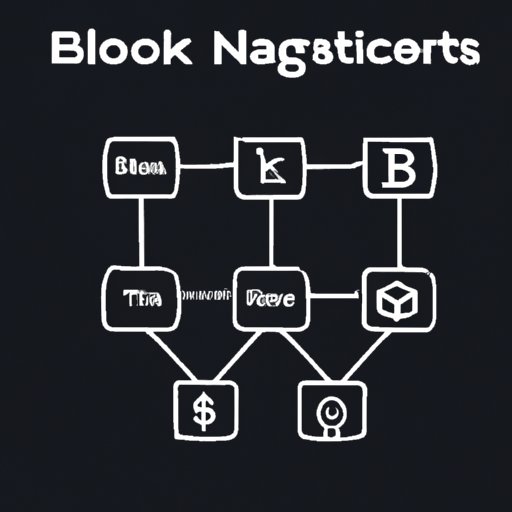
To understand how blockchain technology works, it is important to first look at the components of a blockchain network. The most important component of a blockchain network is the blockchain itself, which is a continuously growing list of records, called blocks, linked together in a chronological order. Each block contains a timestamp and a link to the previous block, which makes it impossible to modify or delete data without changing the entire chain.
The second component of a blockchain network is the nodes. Nodes are computers that are connected to the blockchain and responsible for verifying and validating transactions. They also store copies of the blockchain, ensuring that the data is always available and up-to-date. Nodes are incentivized to participate in the network by receiving rewards for their work.
The third component of a blockchain network is the miners. Miners are responsible for solving complex mathematical puzzles in order to validate transactions and add them to the blockchain. They are rewarded for their work with newly created coins or tokens. This process is known as “mining” and is essential for keeping the blockchain secure and running smoothly.
Finally, there are various security measures in place to protect the blockchain from malicious attacks. These include encryption, consensus algorithms, and smart contracts. Encryption ensures that data is kept confidential, while consensus algorithms prevent double spending and allow nodes to agree on a shared version of the truth. Smart contracts automate certain processes and are used to enforce rules and regulations.

An Introduction to Blockchain Technology: What it Is and Why It Matters
Now that we have explored the basics of blockchain technology, let’s take a look at some of the benefits that it offers. One of the main advantages of using blockchain technology is that it eliminates the need for intermediaries, such as banks or government agencies, to facilitate transactions. This reduces costs and increases the speed of transactions, making them more efficient and cost-effective.
Additionally, blockchain technology provides increased security and transparency. All transactions are stored on the blockchain and are visible to everyone. This makes it difficult for anyone to tamper with the data or commit fraud. Furthermore, because the ledger is distributed across multiple computers, it is highly resilient to outages or technical failures.
Finally, blockchain technology has a wide range of potential applications. For example, it can be used to create digital currencies, such as Bitcoin, Ethereum, and Litecoin. It can also be used to create smart contracts, which are automated agreements between two or more parties. Additionally, it can be used to create decentralized applications, which are applications that run on a blockchain without relying on a central server.
The Beginner’s Guide to Understanding Blockchain Technology
In order to use blockchain technology, it is important to understand the basics of cryptocurrencies. Cryptocurrencies are digital currencies that use cryptography to secure transactions. They are decentralized, meaning that no single entity controls them. Instead, they are managed by a distributed network of computers.
There are several different types of cryptocurrencies. Some of the most popular ones include Bitcoin, Ethereum, Litecoin, and Ripple. Each one has its own set of features and is designed for different purposes. For example, Bitcoin is designed to be a global payment system, while Ethereum is designed to be a platform for creating decentralized applications.
Once you understand the basics of cryptocurrencies, you can start using them. You can buy and sell cryptocurrencies using exchanges or peer-to-peer marketplaces. You can also store them in digital wallets, which are specialized software programs that keep your funds safe and secure.
Decoding Blockchain: A Comprehensive Overview of the Technology
Blockchain technology has many benefits and potential applications. However, there are also some challenges associated with using it. For example, it can be difficult to scale a blockchain network, as adding more nodes increases the time it takes for transactions to be verified. Additionally, there are still some legal and regulatory issues surrounding the use of cryptocurrencies, which could limit their widespread adoption.
Despite these challenges, the future outlook for blockchain technology is very positive. As more companies and governments begin to recognize the potential of this technology, it is likely that we will see an increase in the number of applications and use cases. Additionally, the development of new technologies, such as quantum computing, could further improve the security and scalability of blockchain networks.
Conclusion
In conclusion, blockchain technology is an innovative way to store and share digital information on a secure and distributed ledger. It has several components, such as nodes, miners, and smart contracts, which work together to ensure the integrity and security of the data stored on the blockchain. Additionally, it offers a wide range of benefits, such as increased transparency, efficiency, and security. Finally, it has the potential to revolutionize many industries, from finance to healthcare.
By understanding the basics of blockchain technology and exploring its potential applications, it is clear that this technology has the potential to change the world. As more companies and governments begin to recognize its potential, we can expect to see an increase in the number of applications and use cases for this technology in the near future.
(Note: Is this article not meeting your expectations? Do you have knowledge or insights to share? Unlock new opportunities and expand your reach by joining our authors team. Click Registration to join us and share your expertise with our readers.)