

An Overview of Bitcoin Mining
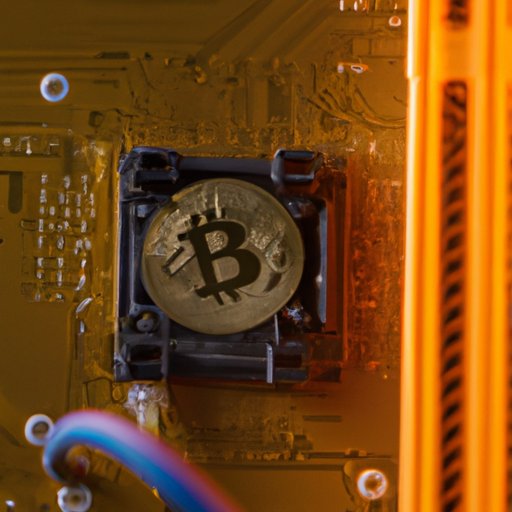
Bitcoin mining is the process of verifying and adding transaction records to the public ledger of a cryptocurrency known as the blockchain. This is done by using specialized computers to solve complex mathematical equations. The miners who successfully complete the equations are rewarded with newly created coins or transaction fees. Bitcoin mining has become increasingly popular over the years due to the high profitability of the process.
Definition of Bitcoin Mining
Bitcoin mining is the process of validating transactions that take place on the bitcoin network and adding them to the blockchain. This is done through the use of specialized hardware and software that runs complex algorithms in order to solve mathematical equations. When these equations are solved, the miner is rewarded with newly created coins or transaction fees.
History of Bitcoin Mining
Bitcoin mining began in 2009 when Satoshi Nakamoto released the first open-source bitcoin client. Since then, the process of mining has become increasingly complex and competitive as more miners enter the market. As the demand for bitcoin has grown, so too has the difficulty of mining. This has resulted in miners using increasingly powerful hardware and software in order to complete the mining process.
What is Involved in Bitcoin Mining?
In order to participate in bitcoin mining, there are certain requirements that must be met. These include hardware, software, and network connections.
Hardware Requirements
The hardware used for bitcoin mining needs to be powerful enough to handle the calculations required for the process. As the difficulty of mining increases, so does the need for faster and more powerful hardware. Common types of hardware used for mining include Application Specific Integrated Circuits (ASICs), Graphics Processing Units (GPUs), and Field Programmable Gate Arrays (FPGAs).
Software Requirements
In addition to hardware, miners also need to have the right software. This software connects the miner to the bitcoin network and allows them to begin mining. Popular software used for mining includes CGMiner, BFGMiner, and EasyMiner.
Network Connections
Finally, miners need to have a reliable network connection in order to be able to access the bitcoin network. A good connection is essential for miners to be able to receive new blocks and validate transactions.

The Benefits and Risks of Bitcoin Mining
Bitcoin mining can be a lucrative endeavor, but there are also some risks associated with it. Here are some of the advantages and disadvantages of bitcoin mining.
Advantages
One of the biggest advantages of bitcoin mining is the potential for profit. Miners are rewarded with newly created coins or transaction fees for their efforts. Additionally, miners can also benefit from the appreciation of the value of bitcoin. Finally, miners can also take advantage of the increase in security that comes with a distributed ledger system like blockchain.
Disadvantages
On the other hand, there are some risks associated with bitcoin mining. For starters, the cost of equipment and electricity can add up quickly. Additionally, the value of bitcoin is volatile and miners could potentially lose money if the price drops significantly. Finally, there is also the risk of being targeted by hackers or malicious actors.
How to Get Started with Bitcoin Mining
If you’re interested in getting started with bitcoin mining, there are a few steps you need to take. First, you’ll need to set up the necessary hardware and software. Next, you’ll need to understand the economics of bitcoin mining in order to make sure you’re making a profit. Finally, you’ll need to join a mining pool in order to increase your chances of success.
Setting up the Equipment
Before you can start mining, you’ll need to purchase the necessary hardware and software. You’ll need to choose the right type of hardware for the type of mining you plan to do. Additionally, you’ll need to make sure your computer has the necessary software installed in order to connect to the bitcoin network.
Understanding the Economics of Bitcoin Mining
It’s also important to understand the economics of bitcoin mining in order to make sure you’re making a profit. This involves calculating the cost of electricity, the cost of hardware, and the current price of bitcoin. By understanding the economics of bitcoin mining, you can make sure you’re not spending more than you’re earning.
Exploring the Technical Aspects of Bitcoin Mining
Once you’ve got the basics down, you may want to explore the technical aspects of bitcoin mining. This includes understanding the different processes involved in mining, as well as the different types of mining.
Mining Processes
The mining process involves verifying the legitimacy of transactions and adding them to the blockchain. This is done by running complex algorithms in order to solve mathematical equations. When a miner solves an equation, they are rewarded with newly created coins or transaction fees.
Types of Mining
There are two main types of mining: solo mining and pool mining. Solo mining requires miners to connect directly to the bitcoin network, while pool mining involves joining a group of miners in order to increase the chances of finding a block. Pool mining is generally more profitable than solo mining.
Examining the Potential Future of Bitcoin Mining
As the popularity of bitcoin continues to grow, so too does the potential future of bitcoin mining. Here are some of the potential impacts of bitcoin mining on the industry, as well as the regulatory challenges and long-term prospects.
Impact on Industry
Bitcoin mining is likely to have a significant impact on the financial industry. As more miners join the network, the difficulty of mining will continue to increase. This could lead to increased competition, which could drive down the cost of transactions and increase the security of the network.
Regulatory Challenges
Another potential challenge for bitcoin miners is regulation. As governments around the world begin to regulate cryptocurrencies, miners may be subject to additional taxes or restrictions. This could potentially reduce the profitability of bitcoin mining.
Long-Term Prospects
Despite these potential challenges, the long-term prospects of bitcoin mining remain positive. As more people become aware of the potential of blockchain technology, the demand for bitcoin is likely to increase. This could lead to increased profits for miners and further development of the industry.
Conclusion
Bitcoin mining is a complex process that requires specialized hardware, software, and network connections. Although there are risks associated with it, there are also many potential rewards. By understanding the history, benefits, and risks of bitcoin mining, as well as the technical aspects and potential future of the industry, miners can make informed decisions about whether or not to participate in the process.
(Note: Is this article not meeting your expectations? Do you have knowledge or insights to share? Unlock new opportunities and expand your reach by joining our authors team. Click Registration to join us and share your expertise with our readers.)