

Introduction
Bitcoin and cryptocurrency have been gaining traction in recent years, and for good reason. They offer a unique opportunity for users to take control of their finances with increased security, low transaction costs, and anonymity. But what exactly is Bitcoin and cryptocurrency? And how do they work? This comprehensive guide will explore the fundamentals of Bitcoin and cryptocurrency, from their origins and development to their various types and uses, as well as how to buy, sell, and store them, and an overview of the regulatory landscape.
A History of Bitcoin and Cryptocurrency
Bitcoin, the first and most popular form of cryptocurrency, was created by Satoshi Nakamoto in 2009. It was designed as a digital currency that would operate independently of any government or financial institution, allowing users to make secure and anonymous transactions without any third-party interference. Since then, the use of Bitcoin and other cryptocurrencies has grown exponentially, with more people realizing the potential of these digital assets.
The development of cryptocurrency began with the introduction of blockchain technology in 2008. Blockchain is a distributed ledger system that records and verifies transactions between two parties. This technology allows for secure and immutable transactions, meaning that no one can tamper with the data stored on the ledger. As such, it provides a secure foundation for cryptocurrencies to be built upon.
The Benefits of Using Bitcoin and Cryptocurrency
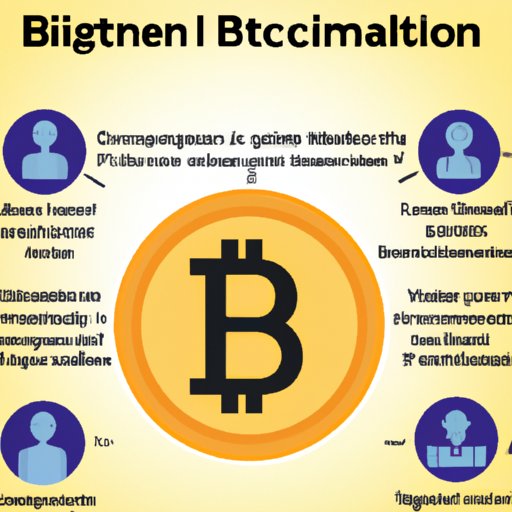
One of the main benefits of using Bitcoin and cryptocurrency is increased security. Since all transactions are recorded on a distributed ledger, they are virtually impossible to alter or reverse. Furthermore, because there is no central authority overseeing the network, users can remain anonymous while conducting transactions. This is especially beneficial for those who need to keep their financial activities private.
In addition to increased security, using Bitcoin and cryptocurrency also offers lower transaction costs compared to traditional payment methods. This is due to the lack of intermediary fees and the absence of chargebacks, which often occur with credit cards. As such, users can save money on their purchases by using Bitcoin and cryptocurrency.
Finally, since Bitcoin and cryptocurrency are decentralized, users have full control over their funds. This means that users can send and receive payments without having to rely on banks or other third parties. As such, users can enjoy greater financial freedom when using Bitcoin and cryptocurrency.
What is Mining and How Does it Work?
Mining is the process of verifying and adding transactions to the blockchain. It involves solving complex mathematical equations to confirm the validity of the transaction and to create new blocks on the blockchain. In return for their efforts, miners are rewarded with newly created coins. This process is essential for keeping the network running smoothly, as it ensures that only valid transactions are added to the blockchain.
In order to mine Bitcoin and other cryptocurrencies, miners must first join a mining pool. Mining pools are networks of miners who combine their computing power in order to increase their chances of finding new blocks. Once a block is found, the rewards are split among the miners in the pool according to their contributions.
Exploring the Different Types of Cryptocurrencies
Bitcoin is just one type of cryptocurrency. There are many other types, each with its own unique features and applications. Altcoins are alternative cryptocurrencies that are based on the same principles as Bitcoin. They usually offer faster transaction times and lower fees than Bitcoin. Stablecoins are another type of cryptocurrency that is designed to maintain a stable value. These coins are backed by real-world assets, such as gold or fiat currencies, in order to provide stability to their users. Finally, Decentralized Finance (DeFi) is a type of cryptocurrency that enables users to access financial services without relying on a central authority.
How to Buy, Sell, and Store Bitcoin and Cryptocurrency
In order to buy Bitcoin and other cryptocurrencies, users must first find a reliable exchange. Exchanges are online platforms where users can buy and sell cryptocurrencies. Once a user has chosen an exchange, they must register and complete the necessary verification steps before they can start trading.
Once a user has purchased their desired cryptocurrency, they must store it in a secure wallet. Wallets are digital storage solutions that allow users to securely store their cryptocurrencies. There are different types of wallets, such as software, hardware, and paper wallets. Each type has its own advantages and disadvantages, so users should research the available options before choosing one.
Finally, users can sell their Bitcoin and other cryptocurrencies at any time, either through an exchange or directly to another user. However, it is important to note that the price of cryptocurrencies can fluctuate quickly, so users should always be aware of the current market conditions before making any trades.
An Overview of Bitcoin and Cryptocurrency Regulations
Cryptocurrencies are still relatively new and largely unregulated. The regulatory landscape is constantly evolving, with governments around the world introducing new laws and guidelines aimed at protecting consumers and preventing money laundering and fraud. It is important for users to stay up to date on the latest regulations in order to ensure that their activities comply with the law.
In addition to government regulations, exchanges and other service providers may also have their own compliance requirements. For example, some exchanges require users to undergo identity verification procedures before they can start trading. Additionally, some countries may impose taxes on profits earned from trading cryptocurrencies, so be sure to check your local laws before engaging in any transactions.
Conclusion
Bitcoin and cryptocurrency are becoming increasingly popular as more people realize the potential of these digital assets. They offer users increased security, low transaction costs, and anonymity, as well as the potential for financial freedom. While the regulatory landscape is still developing, it is important for users to stay informed of the latest laws and regulations in order to ensure that their activities remain compliant. With this knowledge, users can take advantage of the many opportunities offered by Bitcoin and cryptocurrency.
(Note: Is this article not meeting your expectations? Do you have knowledge or insights to share? Unlock new opportunities and expand your reach by joining our authors team. Click Registration to join us and share your expertise with our readers.)