
Introduction
Artificial intelligence (AI) is a branch of computer science that focuses on creating machines that can think and act like humans. AI technology has been around since the 1950s, but it has only recently become more accessible to businesses, organizations and individuals. This article will explore the impacts and applications of AI technology in various fields, such as businesses, healthcare, security and education.
Exploring the Impact of AI Technology on Businesses and Industries
AI technology is increasingly being used in businesses and industries to automate processes, improve efficiency and reduce costs. AI systems are able to quickly process large amounts of data and make decisions based on that data. They can be used to optimize production and distribution, as well as to monitor customer behavior and preferences. AI is also being used for marketing campaigns, fraud detection, risk management and customer service.
Automation and AI in Business
AI technology is being used to automate many business processes, such as inventory management, supply chain optimization and production scheduling. By automating these processes, businesses can save time and money, as well as reduce errors and improve accuracy. AI systems can also be used to analyze customer data and identify trends, which can help businesses make informed decisions about their products and services.
Benefits of AI in Business
The use of AI in business offers numerous benefits, including increased efficiency, cost savings, improved customer experience, better decision-making and enhanced productivity. AI systems can also help businesses stay competitive by providing insights into customer behavior and preferences, as well as identifying opportunities for innovation. Additionally, AI systems can help businesses stay compliant with regulations and laws.
Challenges of AI in Business
While AI technology can offer many benefits, there are also some challenges associated with its use. AI systems require significant investments of time and money to develop, as well as ongoing maintenance and support. Additionally, AI systems can introduce ethical and legal concerns, such as privacy issues and bias in decision-making. Finally, AI systems can be vulnerable to cyberattacks, which can put businesses at risk.
How AI is Changing the Way We Live and Work
AI technology is being used in a variety of personal and professional applications, such as virtual assistants, smart home devices and autonomous vehicles. AI is also being used to create new products and services, as well as to enhance existing ones. AI systems are being used to improve customer service, automate mundane tasks and provide personalized experiences.
Personal and Professional Applications
AI technology is being used in a variety of personal and professional applications. In the workplace, AI systems are being used to automate mundane tasks, such as data entry and document processing. AI is also being used to create new products and services, such as chatbots and virtual agents. In the home, AI systems are being used to automate tasks, such as controlling lights and thermostats, and to provide personalized experiences, such as recommendations for movies and music.
Benefits of AI in Everyday Life
The use of AI in everyday life offers numerous benefits, such as increased efficiency, improved safety, enhanced convenience and greater personalization. AI systems can help us save time by automating mundane tasks, as well as by providing personalized experiences. AI can also help us stay safe by monitoring our environment and alerting us to potential dangers. Finally, AI systems can help us make better decisions by providing us with information and insights.
Challenges of AI in Everyday Life
While AI technology can offer many benefits, there are also some challenges associated with its use. AI systems can be expensive to develop and maintain, as well as vulnerable to cyberattacks. Additionally, AI systems can introduce ethical and legal concerns, such as privacy issues and bias in decision-making. Finally, AI systems can be difficult to understand and interpret, which can lead to incorrect decisions or outcomes.
An Overview of AI in Healthcare
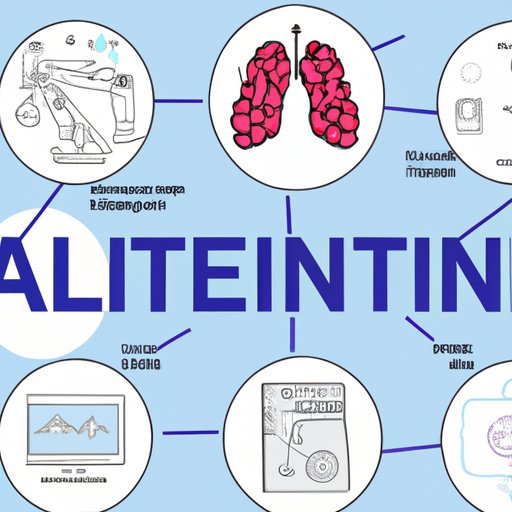
AI technology is being increasingly used in healthcare to diagnose diseases, analyze medical images and recommend treatments. AI systems are also being used to detect medical conditions earlier and more accurately, as well as to improve patient care. AI technology can also help healthcare providers reduce costs, improve efficiency and enhance patient outcomes.
AI and Medical Diagnosis
AI technology is being used to diagnose diseases more accurately and quickly than ever before. AI systems can analyze medical images, such as X-rays and CT scans, to detect diseases and abnormalities. AI systems can also be used to identify patterns in medical data, such as patient histories, to make more accurate diagnoses. Additionally, AI systems can be used to recommend treatments based on a patient’s condition.
Benefits of AI in Healthcare
The use of AI in healthcare offers numerous benefits, such as improved accuracy and speed of diagnosis, enhanced patient care and improved efficiency. AI systems can also help healthcare providers reduce costs by automating mundane tasks and streamlining processes. Additionally, AI systems can provide insights into patient data, which can help healthcare providers make more informed decisions about treatments and medications.
Challenges of AI in Healthcare
While AI technology can offer many benefits, there are also some challenges associated with its use. AI systems can be expensive to develop and maintain, and they may require extensive training to ensure accuracy. Additionally, AI systems can introduce ethical and legal concerns, such as privacy issues and bias in decision-making. Finally, AI systems can be difficult to understand and interpret, which can lead to incorrect diagnoses or treatments.
AI and Its Applications in Security
AI technology is being used to improve security in a variety of ways, such as detecting threats, analyzing data and protecting networks. AI systems can be used to monitor online activity, detect anomalies and block malicious attacks. AI systems can also be used to identify suspicious activity, prevent fraud and protect confidential data.
AI and Cybersecurity
AI technology is being used to improve cybersecurity by monitoring networks and identifying threats. AI systems can be used to scan networks for vulnerabilities and detect suspicious activity. AI systems can also be used to analyze data to identify anomalies, as well as to block malicious attacks. Additionally, AI systems can be used to protect confidential data, such as passwords and financial information.
Benefits of AI in Security
The use of AI in security offers numerous benefits, such as improved accuracy and speed of threat detection, enhanced protection and improved efficiency. AI systems can also help organizations reduce costs by automating mundane tasks and streamlining processes. Additionally, AI systems can provide insights into security data, which can help organizations make more informed decisions about their security measures.
Challenges of AI in Security
While AI technology can offer many benefits, there are also some challenges associated with its use. AI systems can be expensive to develop and maintain, and they may require extensive training to ensure accuracy. Additionally, AI systems can introduce ethical and legal concerns, such as privacy issues and bias in decision-making. Finally, AI systems can be vulnerable to cyberattacks, which can put organizations at risk.
Examining the Role of AI in Education
AI technology is being used in education to create personalized learning experiences, automate mundane tasks and improve educational outcomes. AI systems can be used to analyze student data and identify trends, as well as to create adaptive learning programs. AI technology can also be used to provide personalized feedback, automate grading and create virtual tutors.
AI and Educational Technologies
AI technology is being used to create educational technologies, such as virtual tutors, automated grading systems and adaptive learning programs. AI systems can be used to analyze student data to identify trends and create personalized learning plans. AI systems can also be used to provide personalized feedback, automate mundane tasks and create virtual classrooms.
Benefits of AI in Education
The use of AI in education offers numerous benefits, such as improved accuracy and speed of assessment, enhanced learning experiences and improved educational outcomes. AI systems can also help educators reduce costs by automating mundane tasks and streamlining processes. Additionally, AI systems can provide insights into student data, which can help educators make more informed decisions about curriculum and instruction.
Challenges of AI in Education
While AI technology can offer many benefits, there are also some challenges associated with its use. AI systems can be expensive to develop and maintain, and they may require extensive training to ensure accuracy. Additionally, AI systems can introduce ethical and legal concerns, such as privacy issues and bias in decision-making. Finally, AI systems can be difficult to understand and interpret, which can lead to incorrect assessments or outcomes.
Conclusion
AI technology is having an increasingly significant impact on businesses, industries, everyday life and healthcare. AI systems are being used to automate mundane tasks, improve efficiency and reduce costs. AI systems can also be used to create new products and services, as well as to enhance existing ones. AI technology is also being used to improve security, create personalized learning experiences and improve healthcare outcomes. The use of AI technology offers numerous benefits, but there are also some challenges associated with its use. As AI technology continues to evolve, it will continue to have an impact on our lives and our world.
Summary of AI Impacts and Applications
AI technology is having an increasingly significant impact on businesses, industries, everyday life and healthcare. AI systems are being used to automate mundane tasks, improve efficiency and reduce costs. AI systems can also be used to create new products and services, as well as to enhance existing ones. AI technology is also being used to improve security, create personalized learning experiences and improve healthcare outcomes.
Future Possibilities of AI
As AI technology continues to evolve, it will continue to have an impact on our lives and our world. AI technology will become increasingly accessible and affordable, and it will be used in a variety of new and innovative ways. AI systems will continue to automate mundane tasks, improve efficiency and reduce costs. Additionally, AI systems will be used to create new products and services, as well as to enhance existing ones.
Final Thoughts
AI technology is having a profound impact on our lives and our world. AI systems are being used to automate mundane tasks, improve efficiency and reduce costs. AI systems can also be used to create new products and services, as well as to enhance existing ones. As AI technology continues to evolve, it will continue to have an impact on our lives and our world.
(Note: Is this article not meeting your expectations? Do you have knowledge or insights to share? Unlock new opportunities and expand your reach by joining our authors team. Click Registration to join us and share your expertise with our readers.)