
Introduction
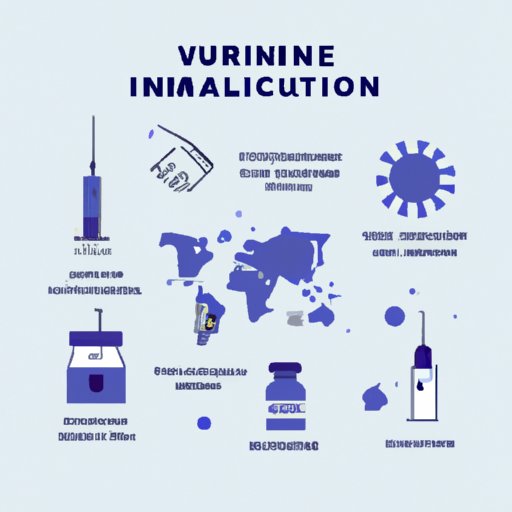
Vaccines are one of the most effective tools in modern medicine, providing protection against numerous diseases. But what exactly are vaccines and how do they work to provide immunity? This article will explore the science behind vaccines, examining what they are and how they work, as well as their role in public health.
Examining the Basics of Vaccines: What They Are and How They Work
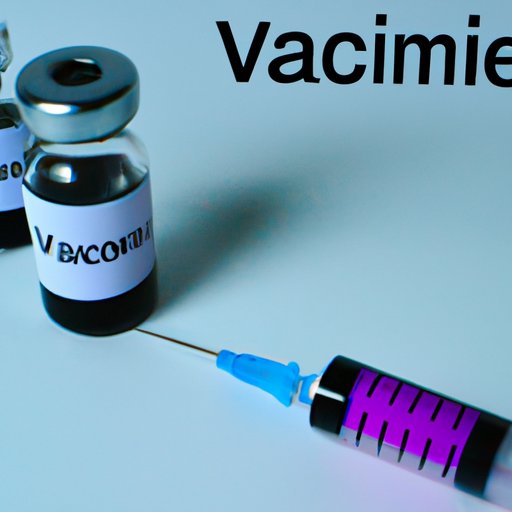
Vaccines are biological preparations that can provide immunity from various infectious diseases. According to the Centers for Disease Control and Prevention (CDC), “vaccines contain a weakened or killed version of the germ that causes the disease. When you get vaccinated, your body is stimulated to produce its own protection (antibodies) against the disease.”
In order to understand how vaccines work, it is important to understand the components of a vaccine. Most vaccines consist of three components: an antigen, an adjuvant, and a carrier. The antigen is the component of the vaccine that stimulates the body’s immune system to create antibodies, while the adjuvant helps to boost the immune response. Finally, the carrier helps to transport the vaccine into the body.
There are several different types of vaccines, each of which works slightly differently. Live attenuated vaccines, for example, contain a weakened form of the disease-causing organism that can still replicate in the body, stimulating the immune system to create antibodies. Inactivated vaccines, on the other hand, contain dead or inactivated forms of the disease-causing organism, which are not able to replicate in the body.

Exploring the Science Behind Vaccines: A Comprehensive Guide
Now that we have examined the basics of vaccines, let’s take a closer look at how they work. Vaccines work by stimulating the body’s immune system to create antibodies that can recognize and fight off the disease-causing organism. As the CDC explains, “when a person gets a vaccine, the antigen in the vaccine triggers the body to make antibodies that help protect the body against infection if the person is exposed to the actual disease.”
Vaccines can provide two types of immunity: active and passive. Active immunity occurs when the body produces its own antibodies in response to a vaccine, while passive immunity occurs when antibodies are transferred from another individual or animal.
Vaccines offer numerous benefits, such as protecting individuals from getting sick, reducing the spread of disease, and saving lives. As Dr. Mark Pallansch, director of the Division of Viral Diseases at the CDC, explains, “vaccines are highly successful in preventing disease and death. Vaccines save millions of lives every year and have significantly reduced the burden of many infectious diseases.”
Vaccines: A Closer Look at How They Protect Us
In addition to understanding how vaccines work, it is also important to understand their role in disease prevention. Vaccines are highly effective in preventing disease, as they provide immunity against the disease-causing organism. As the World Health Organization (WHO) explains, “vaccines are one of the greatest achievements of medical science and public health. They have saved countless lives, prevented disability and protected people from serious illness.”
It is important to note, however, that vaccines do come with some risks. Some common side effects of vaccines include pain, swelling, and redness at the injection site, as well as fever, headache, and fatigue. These side effects are generally mild and short-lived and typically go away within a few days.
From Development to Administration: An Overview of Vaccines
Finally, it is important to understand the steps involved in developing and administering vaccines. Developing a vaccine is a long and complex process, involving a range of scientific disciplines, such as molecular biology, immunology, and epidemiology. As the WHO explains, “it takes many years of research, clinical trials and safety testing before a vaccine is ready for use.”
Once a vaccine has been developed, it must be administered correctly in order to ensure maximum effectiveness. Vaccines are typically administered through injections or oral tablets. Depending on the type of vaccine, it may need to be administered multiple times in order to maintain immunity.
The Power of Vaccines: Their Role in Public Health
Vaccines play an essential role in public health, protecting individuals from serious and potentially fatal diseases. Vaccines have had a significant impact on global health, helping to reduce the burden of infectious diseases around the world. As the WHO explains, “vaccines have dramatically reduced the burden of infectious diseases and saved millions of lives over the past decades.”
Vaccines also offer economic benefits, as they help to reduce healthcare costs associated with treating preventable diseases. According to a study published in the journal Vaccine, “the cost savings resulting from the introduction of new vaccines can far outweigh the costs associated with vaccine development and delivery.”
Conclusion
Vaccines are one of the most important tools in modern medicine, providing protection against numerous diseases. This article has explored the science behind vaccines, examining what they are and how they work, as well as their role in public health. We have also looked at the potential side effects of vaccines and the process for developing and administering them. Vaccines are highly effective in preventing disease and have had a significant impact on global health, helping to reduce the burden of infectious diseases around the world.
In conclusion, vaccines are an invaluable tool for protecting individuals from serious and potentially fatal diseases. While there are risks associated with vaccines, the benefits far outweigh the risks, making them an essential part of public health.
(Note: Is this article not meeting your expectations? Do you have knowledge or insights to share? Unlock new opportunities and expand your reach by joining our authors team. Click Registration to join us and share your expertise with our readers.)