
Introduction
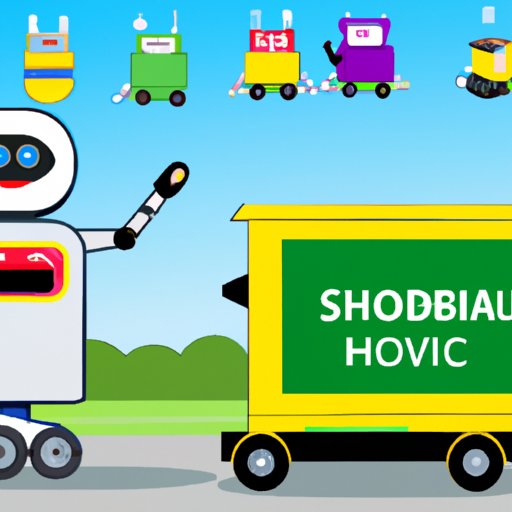
Service robotics is a rapidly growing field that has the potential to revolutionize many industries. Service robots are machines that are designed to perform tasks that are traditionally carried out by humans. They can be used in a variety of settings, such as manufacturing, healthcare, retail, and even military and defense. In this article, we will explore what service robots do, looking at their benefits, types, and future potential.
The Rise of Service Robotics and Its Impact on Businesses
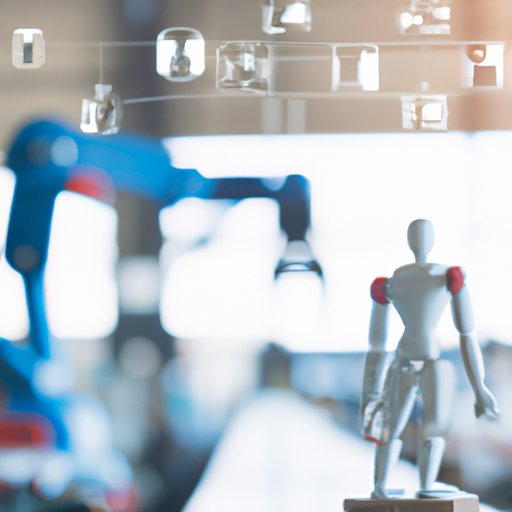
The use of service robots has been steadily increasing over the past few years due to advancements in technology and the need for increased efficiency in many industries. According to a report from McKinsey & Company, “by 2030, the global industrial robot stock could reach 4 million units, up from around 2 million today, with an annual deployment growth rate of 10–15 percent.” This means that more businesses are turning to service robots to help them increase productivity and reduce costs.
The impact of service robotics on businesses is far-reaching. For one, it has the potential to affect employment levels. While some jobs may be replaced by robots, others may be created to maintain and manage the robots, leading to a net gain in employment opportunities. Additionally, service robots can improve security, efficiency, and cost reduction, as they are able to complete tasks quickly and accurately without requiring human intervention.
A Look at Different Types of Service Robots
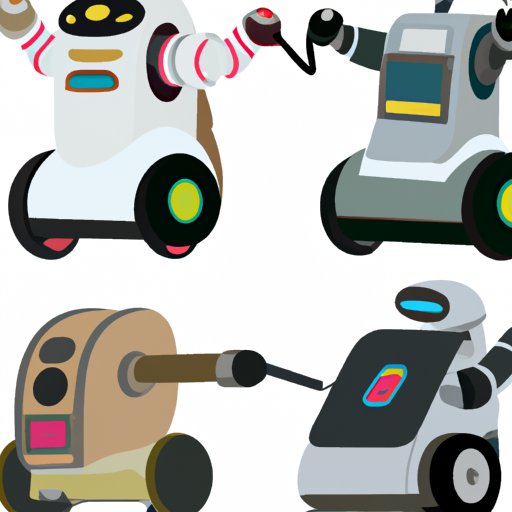
There are a variety of different types of service robots being used in different industries. Here is an overview of some of the most common types of service robots:
Industrial Robots
Industrial robots are typically used in manufacturing processes and are designed to automate repetitive tasks. They can be programmed to carry out specific tasks, such as welding and assembly, and can operate with high levels of accuracy and speed.
Autonomous Mobile Robots
Autonomous mobile robots are designed to move around on their own and interact with their environment. They can be used for a variety of tasks, such as cleaning, delivery, and inspection.
Collaborative Robots
Collaborative robots are designed to work alongside humans and are often used in industrial settings. They can be programmed to carry out specific tasks, such as assembly and welding, while working safely with humans in close proximity.
Social Robots
Social robots are designed to interact with humans in a natural way, using voice recognition and facial expressions. They are often used in healthcare, education, and customer service settings.
Assistive Robots
Assistive robots are designed to assist humans with everyday tasks, such as cooking, cleaning, and providing companionship. They are often used in elderly care and disability settings.
How Service Robots are Changing Industries
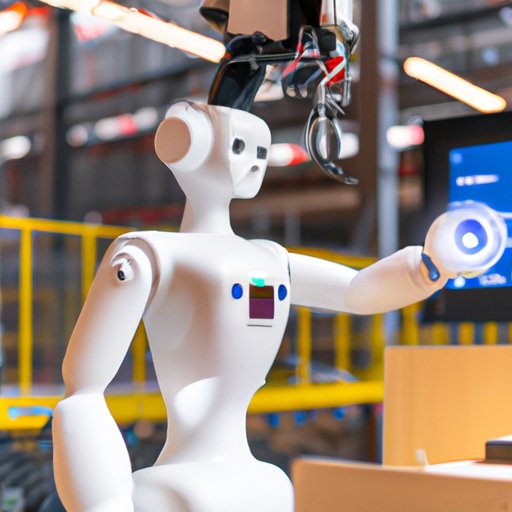
Service robots are having a major impact on a variety of industries. Here is a look at some of the ways that service robots are changing the way businesses operate:
Automation of Manufacturing Processes
Industrial robots are being used to automate manufacturing processes, allowing companies to produce goods faster and more efficiently. According to a study from McKinsey & Company, “by 2025, 60 percent of current manufacturing tasks could be automated.” This could lead to significant cost savings and improved product quality.
Delivery Services
Autonomous mobile robots are being used in delivery services, such as grocery and package delivery. These robots are able to quickly and accurately deliver goods to customers, eliminating the need for human drivers. According to a study from McKinsey & Company, “by 2028, autonomous mobile robots could account for 10 to 15 percent of all last mile deliveries.”
Healthcare and Hospitals
Robots are being used in healthcare settings to assist with a variety of tasks, such as administering medication, performing surgery, and providing companionship. According to a study from McKinsey & Company, “by 2030, robots could be used in up to 30 percent of all medical procedures.” This could lead to improved outcomes and reduced costs.
Retail Stores
Robots are being used in retail stores to automate processes such as inventory management, shelf stocking, and checkout. According to a study from McKinsey & Company, “by 2030, robots could be used in up to 40 percent of all store operations.” This could lead to improved customer service and cost savings.
Military and Defense
Robots are being used in military and defense applications, such as surveillance, reconnaissance, and bomb disposal. According to a study from McKinsey & Company, “by 2035, robots could account for up to 50 percent of all military operations.” This could lead to improved safety and enhanced capabilities.
The Pros and Cons of Using Service Robots
While service robots offer many benefits, there are also some potential drawbacks. Here is a look at the pros and cons of using service robots:
Advantages
- Reduced Costs: Service robots can help reduce costs by automating processes that would otherwise require human labor.
- Increased Efficiency: Service robots can increase efficiency by completing tasks quickly and accurately.
- Improved Safety: Service robots can reduce risk by performing dangerous tasks without putting humans in harm’s way.
Disadvantages
- Job Loss: Service robots have the potential to replace human jobs, leading to job losses in certain industries.
- High Cost: Service robots can be expensive to purchase and maintain.
- Limited Capabilities: Service robots are limited in their capabilities and may not be able to handle complex tasks.
How Service Robots Are Improving Lives
Service robots are having a positive impact on people’s lives in a variety of ways. Here is a look at some of the ways that service robots are improving lives:
Automating Repetitive Tasks
Service robots are being used to automate mundane and repetitive tasks, freeing up time for people to focus on more creative and meaningful activities. This can lead to improved productivity and quality of life.
Enhancing Quality of Life
Service robots are being used to assist people with disabilities or illnesses, helping them to live more independent and fulfilling lives. This can lead to improved quality of life for those who are unable to perform certain tasks on their own.
Increasing Safety
Service robots are being used in hazardous environments, such as nuclear power plants and deep sea exploration, to reduce the risk of injury to humans. This can lead to improved safety and reduced costs.
What the Future Holds for Service Robotics
As technology continues to advance, service robotics is expected to continue to grow and expand its capabilities. Here is a look at some of the ways that service robotics is expected to evolve in the future:
Expansion of Capabilities
As technology advances, service robots will become more capable of performing complex tasks. This could lead to increased efficiency and improved safety.
Advances in Artificial Intelligence
Artificial intelligence is expected to continue to improve, allowing service robots to become more intelligent and capable of making decisions on their own. This could lead to improved performance and reduced costs.
Increased Accessibility
Service robots are expected to become more accessible and affordable, allowing more people to take advantage of their benefits. This could lead to improved quality of life for those who are unable to perform certain tasks on their own.
Conclusion
In conclusion, service robots are having a major impact on a variety of industries, from manufacturing to healthcare. They can be used to automate processes, increase efficiency, and improve safety. While there are some potential drawbacks, such as job loss and high cost, the overall benefits of using service robots outweigh the risks. As technology continues to advance, service robotics is expected to continue to grow, leading to increased accessibility and expanded capabilities.
(Note: Is this article not meeting your expectations? Do you have knowledge or insights to share? Unlock new opportunities and expand your reach by joining our authors team. Click Registration to join us and share your expertise with our readers.)