
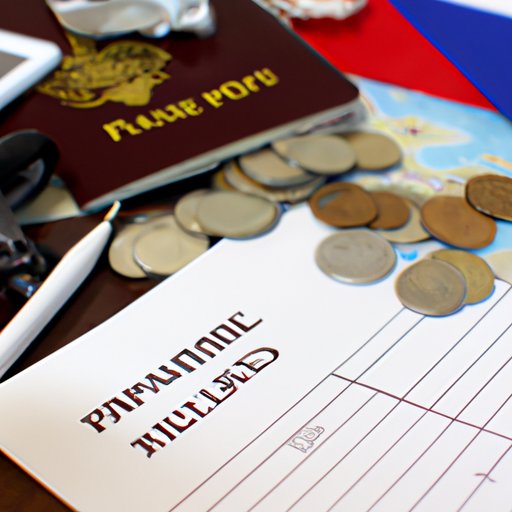
Introduction
The Philippines is a beautiful archipelago in Southeast Asia with 7,641 islands. It is known for its stunning beaches, diverse culture, and friendly locals. With so much to see and do, it’s no wonder why the Philippines is such a popular destination for travelers from around the world.
However, it’s important to remember that traveling to the Philippines requires careful planning and preparation. In this article, we will discuss what you need to know before embarking on your journey, including essential documents, itinerary planning, packing tips, and more.
Research Essential Documents for Travel to the Philippines
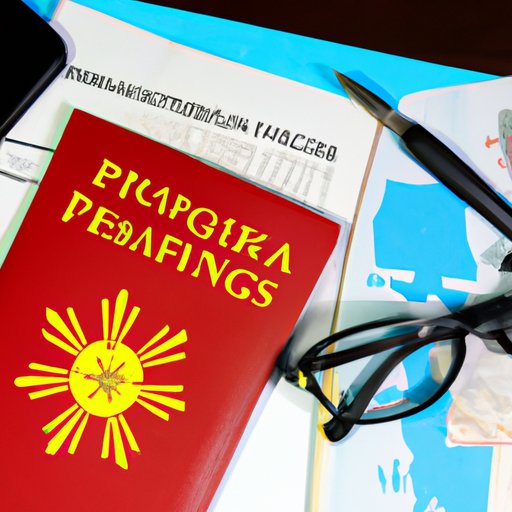
Before you can travel to the Philippines, you will need to make sure you have all the necessary documents in order. Here are some of the most important documents you will need:
Passport Requirements
All travelers to the Philippines must possess a valid passport with at least six months validity remaining. You will also need to have at least one blank page in the passport for entry and exit stamps.
Visas
Depending on your nationality and purpose of travel, you may need to obtain a visa prior to arriving in the Philippines. For example, citizens of the United States and Canada can enter the country without a visa for tourist visits of up to 30 days. However, if you plan to stay longer than 30 days, you will need to apply for a visa. It’s important to note that visas must be obtained prior to your arrival in the Philippines.
Necessary Forms
Upon arrival in the Philippines, you will be required to complete an immigration form. This form must be filled out completely and accurately and presented to the immigration officer upon request. Make sure to keep a copy of the form for your records.
Map Out Your Itinerary Ahead of Time
Once you have secured all the necessary documents, it’s time to start planning your itinerary. Here are some things to consider when mapping out your trip:
Flight and Accommodation Bookings
You will need to book your flights and accommodations in advance. If you don’t want to spend too much time researching the best deals, there are plenty of travel websites and apps that can help you find the best flight and accommodation options.
Transportation Options
When it comes to getting around the Philippines, there are several transportation options available. You can choose to take public buses, rent a car, or hire a taxi. It’s important to research each option carefully and compare prices before making a decision.
Attractions and Activities
The Philippines is home to many attractions and activities. From exploring ancient ruins to scuba diving in pristine waters, there’s something for everyone. Make sure to research the different attractions and activities available in the areas you plan to visit and make a list of the ones you want to experience.
Pack Appropriately for the Climate and Culture
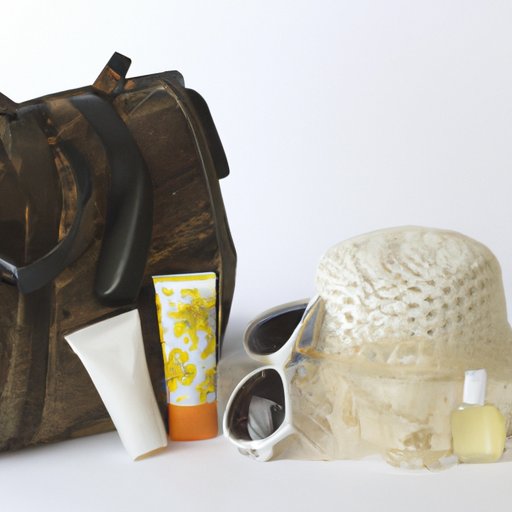
The Philippines has a tropical climate, so it’s important to pack accordingly. Here are some essential items to bring:
Clothing
Make sure to pack lightweight, breathable clothing that is appropriate for the weather. You should also pack comfortable walking shoes, a hat, and sunglasses.
Accessories
Don’t forget to pack any necessary accessories such as a raincoat, umbrella, and swimsuit.
Toiletries
Finally, make sure to bring along all the essential toiletries such as sunscreen, insect repellent, and basic first aid supplies.
Familiarize Yourself with Philippine Customs and Regulations
It’s important to familiarize yourself with the customs and regulations of the Philippines before your trip. Here are some important things to keep in mind:
Documentation Requirements
You will need to present your passport and other required documents to the immigration office upon arrival. Make sure to have these documents ready and easily accessible.
Prohibited Items
Certain items are prohibited in the Philippines, including weapons, narcotics, and pornography. Make sure to check the list of prohibited items before packing.
Restrictions on Currency Exchange
There are restrictions on the amount of foreign currency that can be brought into the Philippines. Make sure to research these restrictions before exchanging any currency.
Consider Taking Vaccinations Before Departure
It’s recommended that travelers to the Philippines get vaccinated against certain diseases. According to the Centers for Disease Control and Prevention (CDC), the following vaccines are recommended for travelers to the Philippines:
Recommended Vaccines
Hepatitis A, Typhoid, Hepatitis B, Japanese Encephalitis, Rabies, and Meningococcal.
Health Screenings
In addition to vaccinations, it’s recommended that travelers to the Philippines get tested for HIV/AIDS and other sexually transmitted infections.
Learn About Local Currency and Exchange Rates
The official currency of the Philippines is the Philippine peso (PHP). Here are some important things to know about the local currency and exchange rates:
Types of Currency
The Philippine peso is divided into 100 centavos. Coins come in denominations of 1, 5, 10, 25, and 50 centavos, while banknotes come in denominations of 20, 50, 100, 200, 500, and 1000 pesos.
Exchange Rate Calculations
When calculating exchange rates, it’s important to use the current exchange rate. You can find the latest exchange rates on websites such as XE.com.
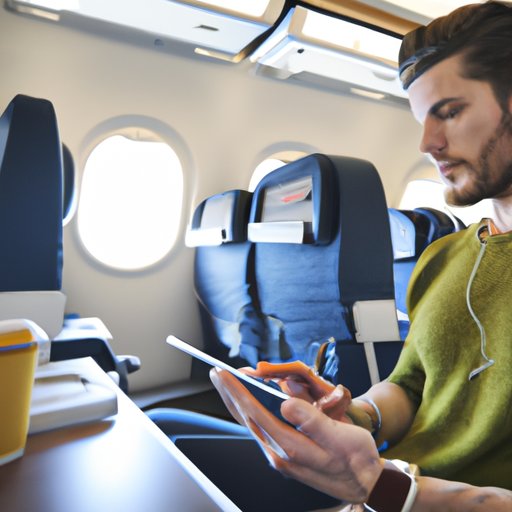
Make Sure You Have Access to Connectivity During Your Trip
In today’s digital age, it’s important to make sure you have access to the internet during your travels. Here are some ways to stay connected in the Philippines:
Telecommunications Providers
The two main telecommunications providers in the Philippines are Globe Telecom and Smart Communications. Both companies offer prepaid SIM cards that can be used in most mobile phones.
Wi-Fi Hotspots
In addition to mobile data, there are also Wi-Fi hotspots available in major cities and tourist destinations. Most hotels and restaurants offer free Wi-Fi, so make sure to ask before connecting.
Conclusion
Traveling to the Philippines is an exciting adventure, but it’s important to remember that proper preparation is key. Make sure to research essential documents, map out your itinerary, pack appropriately for the climate and culture, familiarize yourself with customs regulations, consider taking vaccinations, learn about local currency and exchange rates, and make sure you have access to connectivity during your trip. By following these tips, you can ensure that your trip to the Philippines is safe, enjoyable, and stress-free.
(Note: Is this article not meeting your expectations? Do you have knowledge or insights to share? Unlock new opportunities and expand your reach by joining our authors team. Click Registration to join us and share your expertise with our readers.)