
Introduction
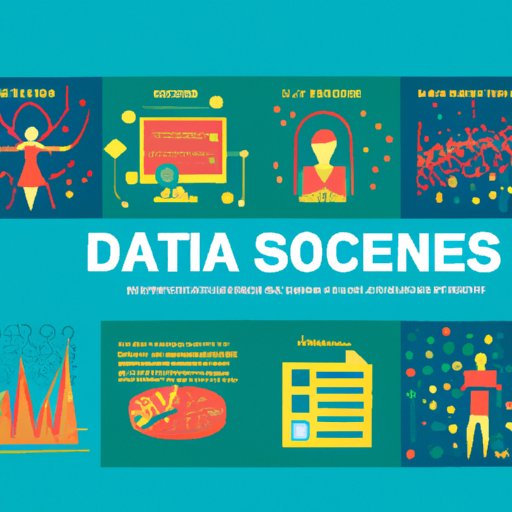
Data science is an interdisciplinary field that combines mathematics, statistics, computing, and other scientific methods to analyze large datasets and draw meaningful insights from them. It is used in a variety of fields, including business, healthcare, education, government, financial services, retail, and sports analytics. In this article, we’ll explore the impact of data science on each of these areas and discuss the potential benefits and applications of using it in each one.

Exploring the Impact of Data Science on Businesses
Data science has become increasingly important in the business world as organizations strive to gain a competitive advantage in their respective markets. By leveraging data-driven insights, businesses are able to make smarter decisions and optimize their operations for better results. According to a study by Accenture, companies that have implemented data science initiatives have seen improvements in operational efficiency, customer experience, and profitability.
Benefits of Data Science in Business
Data science can help businesses in a number of ways, including:
- Improving decision-making by providing actionable insights about customers, products, and processes
- Optimizing operations by uncovering new opportunities for cost savings and efficiencies
- Gaining a competitive edge through predictive analytics and machine learning
- Uncovering new revenue streams by analyzing customer behavior and market trends
Examples of How Data Science is Used in Business
Data science is used in a variety of ways in the business world, including:
- Marketing campaigns: Companies use data science to develop targeted marketing campaigns that reach the right audience at the right time.
- Product development: Companies use data science to develop new products and services based on customer feedback and market trends.
- Customer service: Companies use data science to better understand customer needs and provide more personalized customer service.
- Operations: Companies use data science to improve operational efficiency by uncovering new opportunities for cost savings and process improvements.
Mapping Out the Benefits of Data Science in Healthcare
The healthcare industry is also benefiting from the use of data science. By leveraging data-driven insights, healthcare organizations are able to improve patient care and outcomes, reduce costs, and increase efficiency. According to a study by Deloitte, data science can “help healthcare organizations to identify patterns and correlations among patient populations, treatments, and outcomes, leading to improved diagnosis, treatment, and disease prevention.”
Uses of Data Science in Healthcare
Data science can be used in a variety of ways in the healthcare industry, including:
- Diagnosis: Data science can be used to identify patterns and correlations that can lead to improved diagnosis and treatment.
- Drug development: Data science can be used to analyze clinical trials and discover new drugs and treatments.
- Clinical research: Data science can be used to analyze medical records and uncover new insights into diseases and treatments.
- Population health: Data science can be used to identify trends in population health and develop strategies to improve it.
Benefits of Data Science in Healthcare
Data science can help healthcare organizations in a number of ways, including:
- Improving patient care: Data science can help healthcare organizations identify patterns and correlations that can lead to improved diagnosis and treatment.
- Reducing costs: Data science can help healthcare organizations identify areas of waste and inefficiency, leading to cost savings.
- Increasing efficiency: Data science can help healthcare organizations automate mundane tasks, freeing up staff to focus on more important tasks.
- Improving patient outcomes: Data science can help healthcare organizations identify risk factors and intervene early to prevent negative outcomes.
Analyzing the Role of Data Science in Education
Data science is also becoming increasingly important in the education sector. By leveraging data-driven insights, educators are able to personalize learning experiences, identify areas of improvement, and measure the impact of educational programs. According to a study by the Organisation for Economic Co-operation and Development (OECD), “data-driven approaches can help teachers better understand the needs of students, tailor instruction to those needs, and measure the impact of teaching approaches.”
Benefits of Data Science in Education
Data science can help educators in a number of ways, including:
- Personalizing learning experiences: Data science can help educators identify areas of improvement for individual students and tailor instruction accordingly.
- Identifying areas of improvement: Data science can help educators identify areas of improvement in curricula, teaching methods, and classroom environments.
- Measuring the impact of educational programs: Data science can help educators measure the effectiveness of educational programs and make informed decisions about how to improve them.
Examples of How Data Science is Used in Education
Data science is used in a variety of ways in the education sector, including:
- Student performance tracking: Data science can be used to track student performance over time and identify areas of improvement.
- Curriculum design: Data science can be used to analyze student data and develop personalized curricula for individual students.
- Classroom environment optimization: Data science can be used to analyze classroom environments and identify areas of improvement.
- Educational program evaluation: Data science can be used to measure the effectiveness of educational programs and make informed decisions about how to improve them.

Examining the Use of Data Science in Government
Data science is also becoming increasingly important in the public sector. By leveraging data-driven insights, governments are able to make better decisions, improve public services, and increase efficiency. According to a study by McKinsey & Company, “data-driven decision making can help governments save money, improve services, and increase accountability.”
Benefits of Data Science in Government
Data science can help governments in a number of ways, including:
- Improving decision-making: Data science can help governments identify patterns and correlations to inform policy decisions.
- Improving public services: Data science can help governments identify areas of waste and inefficiency, leading to cost savings and improved services.
- Increasing transparency and accountability: Data science can help governments uncover fraud and corruption, leading to increased transparency and accountability.
- Identifying trends: Data science can help governments identify trends in population health, crime, and economic indicators, leading to informed policy decisions.
Examples of How Data Science is Used in Government
Data science is used in a variety of ways in the public sector, including:
- Crime analysis: Data science can be used to analyze crime data and identify trends and correlations that can lead to improved law enforcement strategies.
- Economic forecasting: Data science can be used to analyze economic data and predict future trends and indicators.
- Budget optimization: Data science can be used to identify areas of waste and inefficiency in government budgets, leading to cost savings.
- Public policy analysis: Data science can be used to analyze public policies and measure their impact on citizens.
Investigating the Potential of Data Science in Financial Services
Data science is also becoming increasingly important in the financial services industry. By leveraging data-driven insights, financial institutions are able to make better decisions, reduce risks, and increase profits. According to a study by PwC, “data analytics can be used to identify potential fraud and compliance issues, reduce operational costs, and improve customer experience.”
Benefits of Data Science in Financial Services
Data science can help financial institutions in a number of ways, including:
- Risk management: Data science can help financial institutions identify potential risks and take steps to mitigate them.
- Fraud detection: Data science can help financial institutions detect fraudulent activity and prevent losses.
- Customer experience optimization: Data science can help financial institutions identify customer needs and provide more personalized services.
- Cost reduction: Data science can help financial institutions identify areas of waste and inefficiency, leading to cost savings.
Examples of How Data Science is Used in Financial Services
Data science is used in a variety of ways in the financial services industry, including:
- Credit scoring: Data science can be used to analyze credit data and develop more accurate credit scoring models.
- Portfolio optimization: Data science can be used to analyze portfolios and identify opportunities for improvement.
- Fraud detection: Data science can be used to detect fraudulent activity and prevent losses.
- Customer segmentation: Data science can be used to analyze customer data and segment customers into different groups for more personalized services.
Understanding the Value of Data Science in Retail
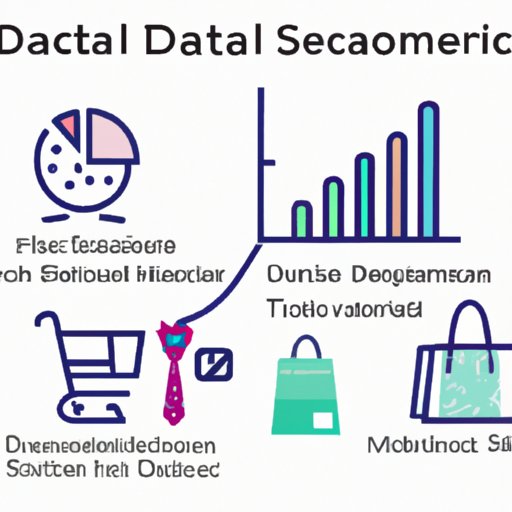
Data science is also becoming increasingly important in the retail industry. By leveraging data-driven insights, retailers are able to make better decisions, optimize operations, and increase profits. According to a study by IBM, “data-driven insights can help retailers understand customer needs, create personalized experiences, and optimize operations for better results.”
Benefits of Data Science in Retail
Data science can help retailers in a number of ways, including:
- Inventory management: Data science can help retailers identify trends in customer demand and adjust inventory levels accordingly.
- Customer segmentation: Data science can help retailers segment customers into different groups and provide more personalized experiences.
- Price optimization: Data science can help retailers optimize prices to maximize profits.
- Marketing campaigns: Data science can help retailers develop targeted marketing campaigns that reach the right audience at the right time.
Examples of How Data Science is Used in Retail
Data science is used in a variety of ways in the retail industry, including:
- Customer analytics: Data science can be used to analyze customer data and identify trends and correlations that can lead to better decisions.
- Product recommendations: Data science can be used to recommend products to customers based on their preferences and past purchases.
- Demand forecasting: Data science can be used to forecast customer demand and adjust inventory levels accordingly.
- Marketing campaigns: Data science can be used to develop targeted marketing campaigns that reach the right audience at the right time.

Assessing the Advantages of Data Science in Sports Analytics
Data science is also becoming increasingly important in the sports analytics industry. By leveraging data-driven insights, teams and leagues are able to make better decisions, improve performance, and increase profits. According to a study by the International Journal of Sport Management, “data analytics can be used to identify trends in player performance, analyze game strategies, and improve team decisions.”
Benefits of Data Science in Sports Analytics
Data science can help teams and leagues in a number of ways, including:
- Player performance tracking: Data science can help teams track player performance over time and identify areas of improvement.
- Game strategy analysis: Data science can help teams analyze game strategies and uncover new insights into winning strategies.
- Team decisions optimization: Data science can help teams optimize their decisions to improve performance and increase profits.
- Fan engagement optimization: Data science can help teams identify trends in fan engagement and develop strategies to increase it.
Examples of How Data Science is Used in Sports Analytics
Data science is used in a variety of ways in the sports analytics industry, including:
- Player performance analytics: Data science can be used to analyze player performance data and identify areas of improvement.
- Game strategy analysis: Data science can be used to analyze game strategies and uncover new insights into winning strategies.
- Team performance optimization: Data science can be used to optimize team decisions to improve performance and increase profits.
- Fan engagement optimization: Data science can be used to analyze fan data and develop strategies to increase fan engagement.
Conclusion
Data science is an invaluable tool that can provide valuable insights and solutions across a range of industries, from business to healthcare and education. This article has explored the benefits and examples of data science use in these areas, demonstrating its potential to revolutionize the way we do business, manage our health, educate our children, govern our societies, manage our finances, serve our customers, and analyze our favorite sports teams.
Summary of the Benefits of Data Science
To summarize, data science can help organizations in a number of ways, including: improving decision-making; optimizing operations; gaining a competitive edge; uncovering new revenue streams; improving patient care; reducing costs; increasing efficiency; improving patient outcomes; personalizing learning experiences; identifying areas of improvement; measuring the impact of educational programs; improving public services; increasing transparency and accountability; identifying trends; reducing risks; increasing profits; and optimizing customer experience.
(Note: Is this article not meeting your expectations? Do you have knowledge or insights to share? Unlock new opportunities and expand your reach by joining our authors team. Click Registration to join us and share your expertise with our readers.)