
Introduction
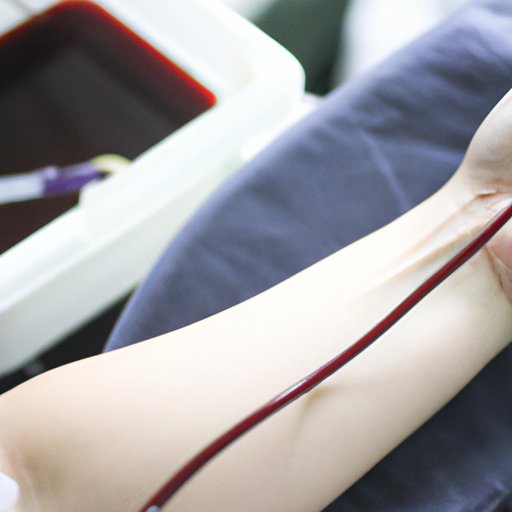
A blood transfusion is a medical procedure that involves transferring blood or blood products from one person (donor) to another (recipient). This process helps replenish the recipient’s red blood cells and other components of the blood, such as platelets and plasma. While blood transfusions are often necessary for certain medical conditions, it’s important to understand the signs that you may need a blood transfusion and when to seek immediate medical attention.

Symptoms That Indicate You Need a Blood Transfusion
If you experience any of the following symptoms, you should speak to your doctor about whether a blood transfusion may be necessary:
Weakness, Fatigue or Shortness of Breath
These symptoms can indicate that you have anemia, which is a condition in which your body does not have enough healthy red blood cells. Anemia can be caused by a variety of factors, including iron deficiency, vitamin deficiencies, and chronic illnesses. If you experience these symptoms, it’s important to speak to your doctor to determine if a blood transfusion may be needed.
Pale Skin
Pale skin can be a sign of anemia, as well as a sign that you may need a blood transfusion. According to the American Red Cross, “When you don’t have enough red blood cells, your skin may look pale or yellowish.” If you notice that your skin is paler than usual, contact your doctor to discuss the possibility of a blood transfusion.
Rapid Heart Rate
An elevated heart rate can be a sign that you are not getting enough oxygen in your bloodstream. A rapid heart rate can be caused by anemia or a low hemoglobin level, both of which can be treated with a blood transfusion. It’s important to speak to your doctor if you experience an elevated heart rate, as it could be a sign that you need a blood transfusion.
Low Blood Pressure
Low blood pressure can be a sign that you are not getting enough oxygen to your organs. This can be caused by anemia or a low hemoglobin level, both of which can be treated with a blood transfusion. Contact your doctor if you experience low blood pressure, as it could be a sign that you need a blood transfusion.
Confusion
Confusion can be caused by a variety of factors, including anemia. If you experience confusion or difficulty concentrating, it’s important to speak to your doctor to determine if a blood transfusion may be necessary. According to the American Red Cross, “If your red blood cell count is too low, it means that your brain isn’t getting enough oxygen, which can cause confusion.”

When to Seek Immediate Medical Attention for a Blood Transfusion
There are certain medical conditions that require immediate medical attention and may necessitate a blood transfusion. These include severe bleeding and anemia.
Severe Bleeding
Severe bleeding can lead to shock and even death if not treated promptly. According to the National Institutes of Health, “Severe bleeding is defined as losing more than 20 percent of your blood volume.” If you experience severe bleeding, it’s important to seek medical attention immediately as a blood transfusion may be necessary.
Anemia
Anemia is a condition in which your body does not have enough healthy red blood cells. According to the World Health Organization, “Anemia affects 1.62 billion people worldwide, making it one of the most common blood disorders.” If you experience any of the symptoms of anemia, it’s important to seek medical attention immediately as a blood transfusion may be necessary.

Common Signs of Anemia and When a Blood Transfusion May Be Necessary
Common signs of anemia include fatigue, weakness, pale skin, rapid heart rate, and low blood pressure. If you experience any of these symptoms, it’s important to speak to your doctor about the possibility of a blood transfusion.
Low Hemoglobin Levels
Hemoglobin is a protein found in red blood cells that carries oxygen throughout the body. According to the Mayo Clinic, “A normal hemoglobin level is generally between 11.5 to 16.5 grams per deciliter (g/dL) for men and 12 to 15.5 g/dL for women.” If your hemoglobin levels are low, it’s important to speak to your doctor about the possibility of a blood transfusion.
Iron Deficiency
Iron deficiency is a common cause of anemia. According to the Centers for Disease Control and Prevention, “Iron deficiency is the most common nutritional deficiency in the United States.” If you are diagnosed with iron deficiency, it’s important to speak to your doctor about the possibility of a blood transfusion.
Vitamin Deficiencies
Certain vitamin deficiencies can also cause anemia. According to the Mayo Clinic, “deficiencies in vitamins B-12 and folate are two of the most common causes of anemia.” If you are diagnosed with a vitamin deficiency, it’s important to speak to your doctor about the possibility of a blood transfusion.
The Role of Blood Transfusions in Treating Severe Bleeding
Blood transfusions can be an effective treatment for severe bleeding. According to a study published in the journal Transfusion Medicine Reviews, “Blood transfusions can help restore lost blood volume, replace clotting factors, and improve oxygen delivery to tissues.”
How Blood Transfusions Help
Blood transfusions help replace lost blood volume, which can help reduce the risk of shock. Additionally, blood transfusions can replace clotting factors, which can help stop the bleeding. Finally, blood transfusions can increase the oxygen delivery to tissues, which can help reduce tissue damage.
Effects of Severe Bleeding
Severe bleeding can lead to shock, organ damage, and even death if not treated promptly. According to the World Health Organization, “Severe bleeding can cause a decrease in blood pressure, leading to shock, coma, and even death.” It’s important to seek medical attention immediately if you experience severe bleeding.
How to Prepare for a Blood Transfusion
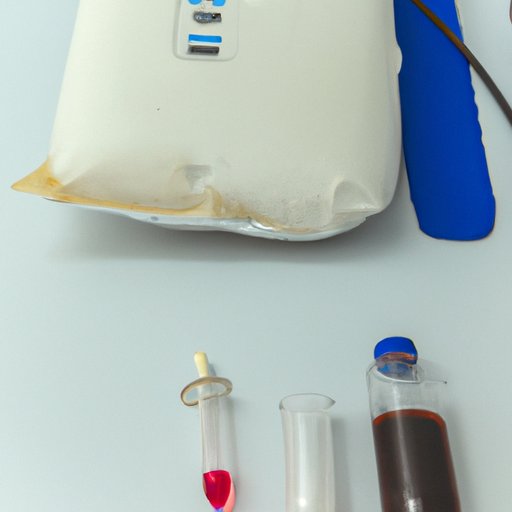
It’s important to follow your doctor’s instructions when preparing for a blood transfusion. Here are some tips to help you prepare for a blood transfusion:
Discuss Your Risk Factors with Your Doctor
It’s important to discuss your risk factors with your doctor before receiving a blood transfusion. Your doctor will ask questions about your medical history, any medications you are taking, and any allergies you may have. This information will help your doctor determine if a blood transfusion is the best option for you.
Follow Your Doctor’s Instructions
Your doctor will provide instructions on how to prepare for a blood transfusion. It’s important to follow these instructions carefully. Your doctor may recommend that you stop taking certain medications before the procedure, or that you eat a light meal before the procedure. Following your doctor’s instructions will help ensure that the procedure goes smoothly.
Understanding the Risks of Receiving a Blood Transfusion
While blood transfusions are often necessary for certain medical conditions, it’s important to understand the risks associated with the procedure. The most common risks include infections and allergic reactions.
Infectious Diseases
Blood transfusions can transmit infectious diseases, such as HIV and hepatitis. To reduce the risk of infection, all donated blood is tested for infectious diseases. Additionally, all donated blood is screened for antibodies that indicate exposure to certain viruses, such as hepatitis B and C.
Allergic Reactions
Allergic reactions to blood transfusions are rare, but they can occur. Symptoms of an allergic reaction include itching, hives, and swelling. If you experience any of these symptoms during a blood transfusion, tell your doctor immediately.
What to Expect During and After a Blood Transfusion
It’s important to understand what to expect during and after a blood transfusion. Here’s what you can expect:
Before the Procedure
Before the procedure, your doctor will take a sample of your blood to check your hemoglobin level. Your doctor will also review your medical history and any medications you are taking. Finally, your doctor will discuss any potential risks associated with the procedure.
During the Procedure
During the procedure, you will be connected to a blood bag containing the donor’s blood. The transfusion will take several hours, during which time your vitals will be monitored. It’s important to remain still during the procedure and alert your doctor if you experience any discomfort.
After the Procedure
After the procedure, you will be monitored for any adverse reactions. Your doctor will also take a sample of your blood to check your hemoglobin level. It’s important to follow your doctor’s instructions for post-procedure care, such as getting plenty of rest and drinking plenty of fluids.
Conclusion
Blood transfusions can be an effective treatment for certain medical conditions, such as anemia and severe bleeding. It’s important to understand the signs that you may need a blood transfusion and when to seek immediate medical attention. It’s also important to understand the risks associated with a blood transfusion and what to expect during and after the procedure.
(Note: Is this article not meeting your expectations? Do you have knowledge or insights to share? Unlock new opportunities and expand your reach by joining our authors team. Click Registration to join us and share your expertise with our readers.)