
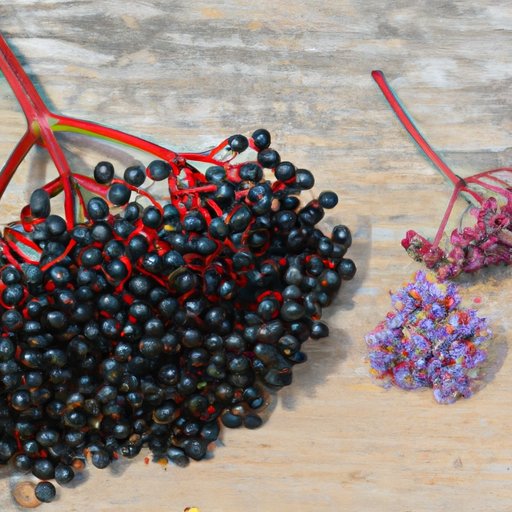
Overview of Elderberry and its Health Benefits
Elderberry is a type of shrub that grows in parts of Europe, North America, and Asia. The berries and flowers of this plant have been used for centuries in traditional medicine to treat a variety of ailments. In recent years, research has begun to uncover the impressive health benefits of elderberry and its active compounds. In this article, we’ll explore the evidence-based health benefits of elderberry and discuss how you can incorporate it into your diet.
What is Elderberry?
Elderberry (Sambucus nigra) is a flowering shrub belonging to the Adoxaceae family. The shrub produces clusters of small white or cream-colored flowers, as well as dark-purple or black berries. These berries are rich in antioxidants and other beneficial plant compounds. They have a tart flavor and are often used to make jams, jellies, syrups, wines, and teas.
Nutritional Profile of Elderberry
Elderberry is a good source of vitamins A and C, as well as several minerals, including iron and potassium. It also contains dietary fiber, which may help support healthy digestion. Additionally, elderberry is rich in anthocyanins, which are powerful antioxidants that can help protect cells from damage.
Evidence-Based Health Benefits of Elderberry
Research suggests that elderberry may offer a number of health benefits. Here’s a look at some of the evidence-based benefits of this superfood:
Cold and Flu Relief
Elderberry is one of the most popular natural remedies for cold and flu symptoms. Studies suggest that elderberry may reduce the duration and severity of upper respiratory illnesses, such as the common cold and influenza. One study in 60 people found that those who took 15 ml of elderberry syrup four times daily for five days experienced symptom relief on average four days earlier than those who took a placebo.
Treating Upper Respiratory Infections
Elderberry may also be effective in treating upper respiratory infections. A review of seven studies found that elderberry extract was effective in reducing the duration and severity of symptoms associated with these infections. Additionally, one study in 50 people with sinusitis found that those who took elderberry extract for 10 days experienced significantly fewer symptoms than those who took a placebo.
Improving Digestive Health
Elderberry may also help improve digestive health. Animal research suggests that elderberry extract may help protect against ulcers by reducing inflammation and oxidative stress in the gut. Additionally, elderberry may help reduce constipation, as it’s a good source of dietary fiber.
Anti-Inflammatory Benefits
Elderberry may also have anti-inflammatory properties. Animal and test-tube studies suggest that elderberry extract may reduce inflammation by suppressing inflammatory molecules in the body. Additionally, elderberry may help reduce the risk of chronic diseases, such as heart disease and diabetes.
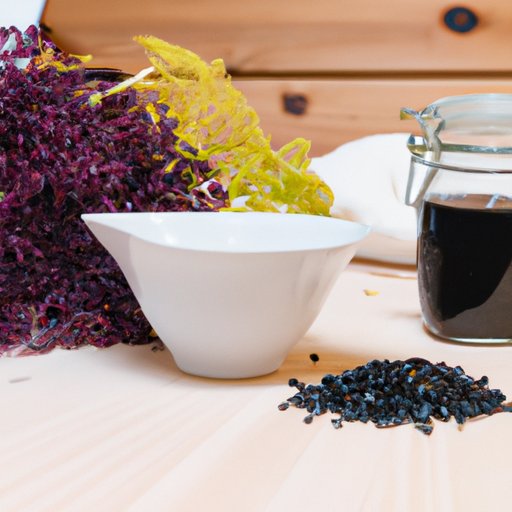
How to Incorporate Elderberry into Your Diet
Elderberries are available fresh, frozen, dried, or canned. You can also find elderberry juice, syrups, teas, and supplements. Here are some ways to incorporate elderberry into your diet:
Foods Containing Elderberry
You can find dried elderberries in many health food stores or online. Try adding them to oatmeal, smoothies, salads, and baked goods. You can also find elderberry jam, jelly, syrup, and wine in some supermarkets and specialty stores.
Recipes for Elderberry-based Dishes
Elderberry can easily be incorporated into your diet with recipes like elderberry muffins, elderberry syrup pancakes, elderberry-infused tea, and elderberry-apple crisp. You can also try making elderberry cordial, a traditional British beverage made with elderberry syrup, sugar, and water.
Safety Considerations for Elderberry
In general, elderberry is safe to consume in moderate amounts. However, there are some safety considerations to keep in mind. Here are a few things to consider before incorporating elderberry into your diet:
Side Effects
Elderberry is generally safe and well tolerated. However, some people may experience side effects, such as nausea, vomiting, or diarrhea. If you experience any adverse reactions, stop taking elderberry and talk to your doctor.
Interactions with Medications
Elderberry may interact with certain medications, such as blood thinners and diabetes medications. Talk to your doctor before taking elderberry if you’re taking any medications.
Pregnancy and Breastfeeding
Elderberry should be avoided during pregnancy and breastfeeding, as it may cause contractions and increase the risk of miscarriage. Talk to your doctor before taking elderberry if you’re pregnant or breastfeeding.
Conclusion
Elderberry is a type of shrub that has been used in traditional medicine for centuries. Recent research suggests that elderberry may offer a number of health benefits, such as cold and flu relief, treating upper respiratory infections, improving digestive health, and providing anti-inflammatory benefits. Elderberry is generally safe to consume in moderate amounts, but it’s important to talk to your doctor before taking it if you’re pregnant, breastfeeding, or taking any medications.
(Note: Is this article not meeting your expectations? Do you have knowledge or insights to share? Unlock new opportunities and expand your reach by joining our authors team. Click Registration to join us and share your expertise with our readers.)