
Introduction
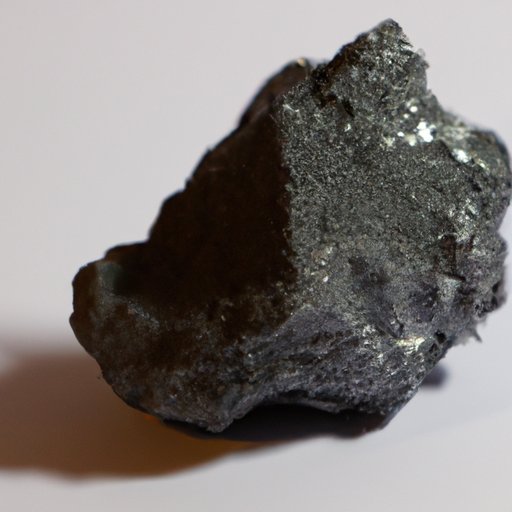
Minerals are naturally occurring substances found in the Earth’s crust. They can be either organic or inorganic, and they vary in composition based on their chemical and physical properties. Minerals are essential for human life and are used in a variety of industries and applications, including food, cosmetics, building materials, manufacturing, and modern technology.
Exploring the Various Uses of Minerals in Everyday Life
Minerals play an important role in our everyday lives and are used in a variety of ways. Here are some of the most common uses of minerals:
Food and Nutrition
Minerals are essential for the body to function properly. Calcium, iron, potassium, zinc, and magnesium are just a few of the minerals required for good health. These minerals are found in various foods, such as dairy products, leafy greens, nuts, and legumes. According to a study conducted by the United Nations Food and Agriculture Organization, “The consumption of minerals is essential for the maintenance of health and well-being.”
Cosmetics and Personal Care Products
Minerals are also used in a variety of cosmetics and personal care products. Iron oxide, mica, and titanium dioxide are commonly used in makeup and skincare products to give them color, texture, and staying power. Minerals are also used in toothpaste, shampoo, and other hygiene products.
Building and Construction
Minerals are used in the building and construction industry for a variety of purposes. Sand, gravel, and crushed stone are used to make concrete and asphalt, which are essential components of roads, bridges, and buildings. Metals such as aluminum, copper, and steel are also used in the construction industry.
Manufacturing
Minerals are used in the manufacturing process in a variety of ways. For example, talc is used in the production of paper, ceramics, plastics, rubber, and paint. Clay is used in the production of cement, glass, and ceramics. And metals are used in the manufacture of cars, electronics, and machinery.
How Different Industries Utilize Minerals
Minerals are used in a variety of industries to produce goods and services. Here are some of the industries that rely on minerals:
Agriculture
Minerals are essential for agriculture. Potassium, calcium, nitrogen, phosphorus, and sulphur are all essential for crop growth. Magnesium and manganese are also important for healthy soil and plant growth. In addition, trace elements such as zinc, copper, and iron are needed for crop nutrition.
Automotive
The automotive industry relies heavily on minerals. Metals like aluminum, steel, and copper are used to make car parts, while minerals like graphite are used to make brake pads and clutch plates. Other minerals such as lithium and cobalt are used in the production of batteries for electric vehicles.
Electronics
Minerals are essential for the production of electronic devices. Metals such as gold, silver, and copper are used in the manufacture of circuit boards, while other minerals such as silicon are used to make the chips that power computers and phones. Rare earth minerals are also used in the production of cell phones, laptops, and other electronic devices.
Energy
Minerals are also essential for energy production. Coal, oil, and natural gas are all mineral resources that are used to generate electricity. Uranium is used to produce nuclear energy, while thorium and other minerals are used in the production of solar panels.
The Role of Minerals in Modern Technology
Minerals are essential for the production of modern technology. Here are some of the ways minerals are used in technology:
Telecommunications
Minerals are essential for telecommunications. Copper is used for wiring and cables, while rare earth minerals such as neodymium, dysprosium, and terbium are used in the production of magnets for speakers and headphones. Gold is also used in the production of connectors, switches, and other components.
Computers
Minerals are essential for the production of computers. Metals like aluminum and copper are used to make the casing and internal components, while silicon is used to make the chips that power computers. Gold is also used in the production of circuit boards and connectors.
Robotics
Minerals are also essential for the production of robots. Metals like aluminum, steel, and copper are used to make the robot’s frame and body, while rare earth minerals are used in the production of motors and sensors. Lithium and cobalt are also used in the production of batteries for robots.
A Look at Mineral Consumption and Demand
Global demand for minerals is increasing due to population growth, urbanization, and increased industrialization. According to a recent report from the World Bank, “The demand for minerals has grown steadily over the last two decades and is projected to continue to grow in the coming years.” Here are some factors affecting mineral demand:
Global Trends in Mineral Consumption
Global demand for minerals is driven by population growth, urbanization, and increased industrialization. As populations grow, so does the demand for minerals. Additionally, as countries become more industrialized, there is an increased demand for metals and other minerals used in manufacturing.
Factors Affecting Mineral Demand
The demand for minerals is also affected by economic trends, technological advances, and government policies. Changes in economic conditions can affect the demand for minerals, while technological advances can lead to new uses for minerals. Finally, government policies can influence the demand for certain minerals, as well as the supply of minerals.
Understanding the Health Benefits of Minerals
Minerals play an important role in human health. They are essential for the body to function properly and maintain optimal health. Here are some of the health benefits of minerals:
Macronutrients
Macronutrients are minerals that the body needs in large amounts. These include calcium, phosphorous, magnesium, sodium, and potassium. These minerals are essential for proper functioning of the body and help regulate blood pressure, muscle contractions, and nerve impulses.
Trace Elements
Trace elements are minerals that the body needs in small amounts. These include zinc, iron, iodine, selenium, and copper. These minerals are essential for immune system health, hormone production, and the absorption of nutrients.
Examining the Impact of Mining on the Environment
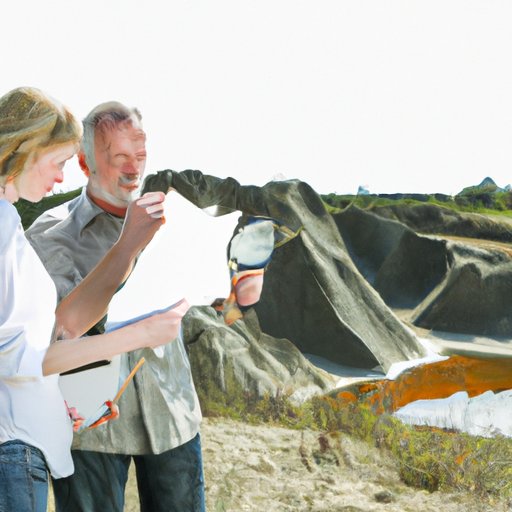
Mining is necessary to access the minerals that are used in everyday life. However, it can have a negative impact on the environment. Here are some of the environmental impacts of mining:
Environmental Impacts of Mining
Mining can lead to deforestation, soil erosion, water pollution, and air pollution. It can also disrupt ecosystems, cause noise pollution, and release toxic chemicals into the environment. Additionally, mining can lead to the destruction of wildlife habitat and the displacement of local communities.
Mitigating the Negative Effects of Mining
Fortunately, there are steps that can be taken to mitigate the negative effects of mining. These include reforestation, improved waste management, water treatment, and better regulation of mining activities. Additionally, mining companies can work with local communities to minimize the impact of their operations.
Conclusion
Minerals are essential for human life and are used in a variety of industries and applications. They are used in food and nutrition, cosmetics and personal care products, building and construction, manufacturing, and modern technology. Additionally, minerals are essential for agriculture, automotive, electronics, and energy production. Furthermore, minerals play an important role in human health and are essential for the body to function properly. Finally, mining can have a negative impact on the environment, but there are steps that can be taken to mitigate these effects.
In conclusion, minerals are a natural resource with a wide range of uses in everyday life and technology. They are essential for human health and are used in a variety of industries. Understanding the importance of minerals and how they are used can help us better appreciate their value and take steps to protect the environment.
(Note: Is this article not meeting your expectations? Do you have knowledge or insights to share? Unlock new opportunities and expand your reach by joining our authors team. Click Registration to join us and share your expertise with our readers.)