
Introduction
Snacking is an essential part of staying energized and satisfied throughout the day. But it can be difficult to find healthy snacks that are both delicious and nutritious. If you’re looking for healthy snack options and recipes to help you stay full and energized, this article is for you. We’ll explore 10 healthy snacks, their nutritional information, the benefits of eating healthy snacks, healthier alternatives to your favorite junk foods, tips for snacking on the go, how to build a balanced snack plate, and recipes for delicious and nutritious snacks.
10 Healthy Snacks to Keep You Satisfied All Day
Snacking can be a great way to get in extra nutrients throughout the day, but it’s important to choose healthy snacks. Here are 10 healthy snacks that are both satisfying and nutritious:
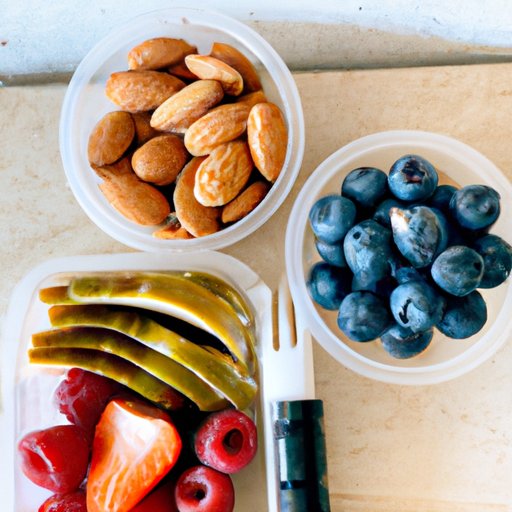
- Almonds – Almonds are a great source of protein, fiber, vitamin E, and magnesium. They also contain healthy fats and antioxidants that can help protect against disease. A single serving of almonds (about 23 nuts) contains 6 grams of protein and 4 grams of fiber.
- Apples – Apples are a great source of vitamins A and C, as well as fiber. Eating apples can help reduce cholesterol levels and improve gut health. One medium apple contains about 4 grams of fiber.
- Avocados – Avocados are high in healthy fats, fiber, and potassium. They can help reduce inflammation, support heart health, and aid digestion. Half of an avocado contains about 7 grams of fiber.
- Berries – Berries are low in calories and high in antioxidants, vitamins, and minerals. They can help reduce inflammation, improve brain health, and support heart health. A cup of strawberries contains about 3 grams of fiber.
- Carrots – Carrots are high in vitamin A, which is essential for good vision. They’re also a good source of fiber and antioxidants. One medium carrot contains about 2.5 grams of fiber.
- Dark Chocolate – Dark chocolate is a rich source of antioxidants, which can help reduce inflammation and protect against disease. It’s also a good source of iron, magnesium, and copper. One ounce of dark chocolate contains about 3 grams of fiber.
- Edamame – Edamame is a type of soybean that’s high in protein, fiber, and vitamins. It can help reduce cholesterol levels and improve gut health. One cup of edamame contains about 8 grams of protein and 5 grams of fiber.
- Hummus – Hummus is made from chickpeas, which are high in fiber, protein, and vitamins. It can help reduce cholesterol levels and improve digestion. One-fourth cup of hummus contains about 5 grams of fiber.
- Popcorn – Popcorn is a whole grain that’s high in fiber and antioxidants. It can help reduce cholesterol levels and improve digestion. Three cups of popcorn contain about 3.5 grams of fiber.
- Yogurt – Yogurt is a good source of calcium, protein, and probiotics. It can help reduce inflammation and improve gut health. One cup of plain, nonfat yogurt contains about 11 grams of protein and 4 grams of fiber.
The Benefits of Eating Healthy Snacks
Eating healthy snacks can have many health benefits. According to a study published in the journal Nutrition Reviews, snacking on nutrient-rich foods can help improve overall diet quality and provide essential vitamins and minerals. Additionally, healthy snacks can help reduce hunger and cravings, and provide sustained energy throughout the day. Eating healthy snacks can also help support a healthy weight, reduce risks of chronic diseases, and boost mood and mental clarity.
Healthy Alternatives to Your Favorite Junk Foods
If you’re trying to cut down on unhealthy snacks, there are plenty of healthier alternatives available. Here are some healthier alternatives to common junk foods:
- Chips – Baked kale chips or sweet potato chips instead of regular potato chips
- Cookies – Oatmeal raisin cookies instead of chocolate chip cookies
- Ice Cream – Frozen banana slices instead of ice cream
- Candy – Dark chocolate-covered almonds instead of candy bars
- Soda – Sparkling water with a splash of juice instead of soda
A Guide to Snacking on the Go
It can be difficult to find time to prepare healthy snacks when you’re out and about. Here are some tips for snacking on the go:
- Pack your own snacks – Make sure to bring healthy snacks with you when you’re out and about. Pack easy-to-eat snacks like trail mix, energy bars, or fresh fruit.
- Choose wisely at restaurants – When dining out, opt for healthier options like salads, grilled chicken, and steamed vegetables.
- Avoid processed snacks – Processed snacks like chips and candy are often high in sugar and unhealthy fats. Avoid these snacks whenever possible.
- Stay hydrated – Drinking enough water throughout the day can help reduce cravings and keep you feeling fuller for longer.
How to Build a Balanced Snack Plate
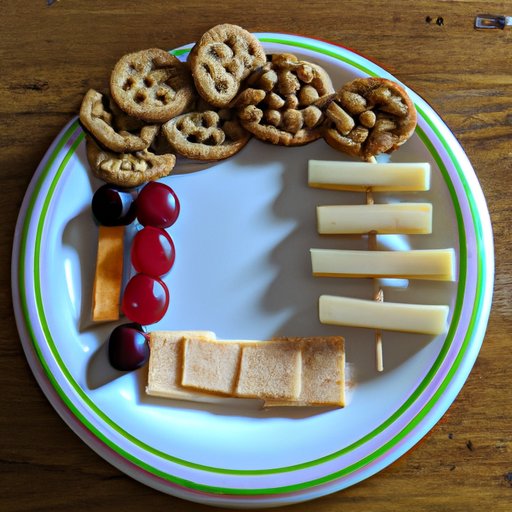
Creating a balanced snack plate is a great way to make sure you’re getting the nutrients you need. Follow these guidelines for building a balanced snack plate:
- Choose a variety of colors – Include multiple colors of fruits and vegetables to ensure you’re getting a variety of vitamins and minerals.
- Include healthy fats – Add nuts, seeds, avocado, or olive oil to your plate to increase the healthy fat content.
- Include protein – Add lean proteins like eggs, Greek yogurt, or fish to your plate to keep you feeling full and energized.
- Portion sizes – Aim for a plate that is half filled with fruits and vegetables, one-fourth filled with proteins, and one-fourth filled with healthy fats.

Recipes for Delicious and Nutritious Snacks
Making your own snacks at home is a great way to make sure you’re getting the nutrients you need. Here are some recipes for quick and easy healthy snacks:
- Fruit Smoothie – Blend together 1 cup of frozen berries, ½ banana, 1 cup of almond milk, and 1 tablespoon of honey for a refreshing smoothie. (1 serving = 1 cup; Calories: 150; Protein: 2 g; Fiber: 4 g)
- Trail Mix – Combine ½ cup of almonds, ¼ cup of dried cranberries, ¼ cup of dark chocolate chips, and 2 tablespoons of chia seeds for a delicious trail mix. (1 serving = ¾ cup; Calories: 220; Protein: 6 g; Fiber: 5 g)
- Hummus and Veggies – Spread 2 tablespoons of hummus on a plate and top with sliced cucumbers and carrots for a crunchy snack. (1 serving = ¾ cup; Calories: 140; Protein: 6 g; Fiber: 4 g)
- Avocado Toast – Mash ½ of an avocado onto a slice of whole-wheat toast and top with a sprinkle of sea salt for a savory snack. (1 serving = 1 slice of toast; Calories: 130; Protein: 4 g; Fiber: 4 g)
Conclusion
Snacking can be a great way to get in extra nutrients throughout the day, but it’s important to choose healthy snacks. This article has provided a list of 10 nutritious snacks, their health benefits, healthier alternatives to junk food, tips for snacking on the go, how to build a balanced snack plate, and recipes for delicious and nutritious snacks.
(Note: Is this article not meeting your expectations? Do you have knowledge or insights to share? Unlock new opportunities and expand your reach by joining our authors team. Click Registration to join us and share your expertise with our readers.)