
Introduction
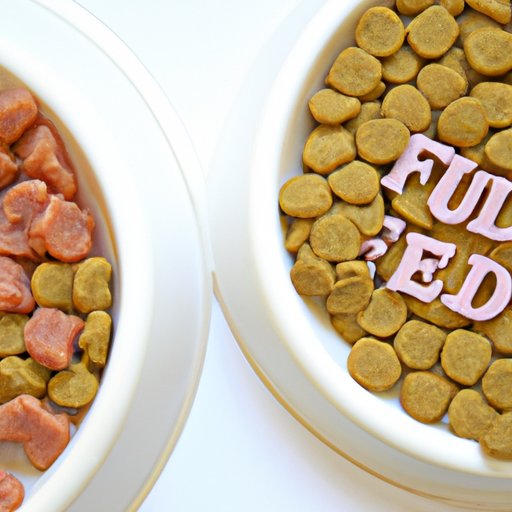
When it comes to choosing a diet for your cat, you’ve likely heard that wet food is better than dry food. But is this really true? The debate over whether cats should eat dry or wet food is complex and often confusing. To make an informed decision, it’s important to understand the pros and cons of both options and to be aware of your cat’s nutritional needs.
This article explores the benefits and drawbacks of feeding your cat dry food, how to choose the right type of dry cat food, and tips for transitioning from wet food to dry food. By the end of this article, you will have a better understanding of the pros and cons of dry cat food, as well as the nutritional needs of cats eating dry food.

The Pros and Cons of Dry Cat Food
Before deciding if dry cat food is the best option for your pet, it’s important to consider the pros and cons of feeding your cat this type of food.
Benefits of Dry Cat Food
One of the major advantages of dry cat food is convenience. It’s shelf-stable, so it doesn’t need to be refrigerated or frozen like wet food. This means it can be stored easily in your pantry or cupboard, and it’s also easier to transport when travelling. Dry cat food is also typically more affordable than wet food, making it a good choice for budget-conscious pet owners.
Dry food also provides dental benefits for cats. The crunchy texture helps to remove plaque and tartar buildup on teeth, which can help prevent tooth decay and gum disease. Additionally, some dry foods contain added vitamins and minerals to support overall health and wellness.
Drawbacks of Dry Cat Food
One of the main drawbacks of dry cat food is that it is typically low in moisture content, which can potentially lead to dehydration. Additionally, some dry foods may contain high levels of carbohydrates, which can cause weight gain in cats. Lastly, some dry foods may contain inferior ingredients, such as fillers and by-products, which could potentially cause digestive issues.

Understanding the Nutritional Needs of Cats Eating Dry Food
Cats have specific nutritional needs that must be met in order to maintain optimal health. When choosing a dry food for your cat, it’s important to understand their dietary requirements.
Essential Nutrients for Cats
Cats require certain essential nutrients in order to stay healthy. These include proteins, fats, carbohydrates, vitamins, minerals, and water. Proteins are especially important for cats, as they provide energy and help build and repair body tissues. Fats provide energy and help the body absorb certain vitamins and minerals. Carbohydrates provide energy and help with digestion.
Caloric Needs
Cats require a certain amount of calories per day in order to maintain a healthy weight. The exact amount of calories needed depends on factors such as age, activity level, and overall health. Generally speaking, an adult cat needs between 200 and 300 calories per day, depending on their size and activity level.
Protein Requirements
Protein is the most important nutrient for cats, as it provides energy and helps build and repair body tissues. Cats require a minimum of 26% protein in their diet, and higher amounts are recommended for kittens and pregnant or nursing cats. Protein should come from animal sources such as chicken, turkey, beef, fish, or eggs.
Carbohydrates
Carbohydrates are an important source of energy for cats, but they should not make up more than 10% of a cat’s diet. Whole grains such as brown rice and oats are the best sources of carbohydrates for cats.
Fats
Fats provide energy and help the body absorb certain vitamins and minerals. Healthy sources of fat for cats include salmon oil, flaxseed oil, and sunflower oil. Fats should make up at least 8% of a cat’s diet.

How to Choose the Right Dry Cat Food
With so many different types of dry cat food on the market, it can be difficult to know which type is best for your cat. Here are some tips for choosing the right type of dry food for your cat:
Consider Your Cat’s Age
Kittens have different nutritional needs than adult cats, so it’s important to choose a food that is specifically formulated for kittens. Senior cats also have different nutritional needs, so be sure to choose a food that is specifically formulated for senior cats.
Consider Your Cat’s Health
If your cat has any existing health problems, such as diabetes or kidney disease, it’s important to choose a food that is specifically designed to meet their nutritional needs. Speak to your veterinarian to determine the best type of food for your cat.
Consider Your Cat’s Activity Level
Active cats require more calories than sedentary cats, so it’s important to choose a food that meets their energy needs. If your cat is very active, look for a food that is high in protein and fat.
Read the Label
When shopping for dry cat food, always read the label carefully. Look for foods that contain high-quality animal proteins, whole grains, healthy fats, and added vitamins and minerals. Avoid foods that contain fillers, by-products, artificial colors, flavors, and preservatives.
What to Look for in a High-Quality Dry Cat Food
When choosing a high-quality dry cat food, there are certain things to look for. The best dry foods should contain:
Animal Proteins
Look for dry foods that contain high-quality animal proteins, such as chicken, turkey, beef, fish, or eggs. Avoid foods that contain meat by-products or other unnamed sources of protein.
Whole Grains
Whole grains such as brown rice and oats provide energy and help with digestion. Avoid foods that contain corn, wheat, or soy, as these can cause digestive issues.
Healthy Fats
Healthy sources of fat for cats include salmon oil, flaxseed oil, and sunflower oil. Fats should make up at least 8% of a cat’s diet.
Added Vitamins and Minerals
Some dry foods contain added vitamins and minerals to support overall health and wellness. Look for foods that contain taurine, an essential amino acid that cats need for heart, vision, and reproductive health.
Common Myths about Cats and Dry Cat Food
There are several common myths about cats and dry cat food that can be misleading. Here are some of the most common myths about cats and dry food:
Dry Food Causes Dehydration
This is a common misconception, but it’s not true. Cats can get plenty of moisture from wet food, but they also get moisture from drinking water. Additionally, some dry foods contain added moisture to help keep cats hydrated.
Dry Food Causes Urinary Tract Problems
This is another myth that is not true. In fact, some studies have shown that cats who eat dry food are less likely to develop urinary tract infections than cats who only eat wet food.
Dry Food Causes Obesity
This is not necessarily true. While some dry foods may contain high levels of carbohydrates, which can cause weight gain, not all dry foods are high in carbohydrates. Be sure to read the label carefully and choose a food that is low in carbohydrates and high in protein.
Tips for Transitioning from Wet to Dry Cat Food
If you decide to transition your cat from wet to dry food, here are some tips to make the process easier:
Start Slow
Start by mixing a small amount of dry food into your cat’s wet food. Gradually increase the amount of dry food until your cat is eating only dry food.
Add Moisture
Adding a bit of warm water to your cat’s dry food can help make it more palatable and add some extra moisture to their diet.
Offer Variety
Cats can get bored with the same food every day, so offer a variety of different types of dry food. This will help keep them interested and encourage them to eat.
Monitor Weight
Be sure to monitor your cat’s weight during the transition to ensure they are getting enough nutrition. If your cat starts to lose or gain too much weight, speak to your veterinarian.
Conclusion
Deciding whether or not to feed your cat dry food is a personal decision. It’s important to consider the pros and cons, as well as your cat’s nutritional needs, before making a decision. Be sure to choose a high-quality dry food that contains animal proteins, whole grains, healthy fats, and added vitamins and minerals. If you decide to transition your cat from wet to dry food, start slow and be sure to monitor your cat’s weight. With the right information and careful consideration, you can make the best decision for your cat.
(Note: Is this article not meeting your expectations? Do you have knowledge or insights to share? Unlock new opportunities and expand your reach by joining our authors team. Click Registration to join us and share your expertise with our readers.)