
Introduction
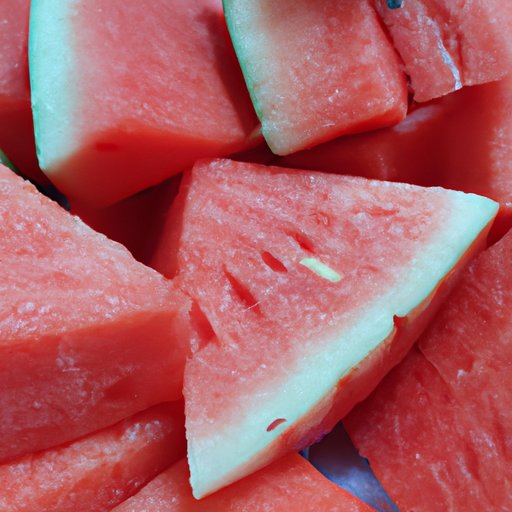
Watermelon is a popular summer fruit that is enjoyed by people all around the world. Not only is this juicy treat incredibly delicious, but it also has many potential health benefits. But is eating watermelon really good for your health? In this article, we will explore the nutritional benefits of watermelon and examine whether it is a good choice for improving your diet.

Exploring the Nutritional Benefits of Watermelon
Watermelon is an excellent source of several essential nutrients. It is high in vitamins A and C, as well as potassium, magnesium, and other minerals. Additionally, watermelon is a good source of lycopene, an antioxidant that has been linked to numerous health benefits. According to a study published in the journal Food Chemistry, watermelon contains higher concentrations of lycopene than tomatoes or other fruits.
The health benefits of eating watermelon are vast. Studies have shown that watermelon can help reduce inflammation, lower blood pressure, improve heart health, and even aid in weight loss. Eating watermelon can also help boost the immune system and protect against certain types of cancer. Additionally, this sweet fruit is low in calories and fat, making it a great choice for those looking to maintain a healthy weight.
Is Eating Watermelon Good for Your Health?
While there are many potential health benefits associated with eating watermelon, there are also some drawbacks. For instance, watermelon is high in sugar, which can be damaging to teeth and lead to weight gain if consumed in excess. Additionally, some people may be allergic to watermelon, so it’s important to check with your doctor before adding it to your diet.
How Watermelon Can Help Improve Your Diet
Eating watermelon can be a great way to improve your diet. Replacing unhealthy snacks with watermelon can help you cut down on added sugars and fats, while still satisfying your cravings. Additionally, adding watermelon to a balanced diet can help you get the vitamins and minerals you need to stay healthy.
Watermelon: Superfood or Not?
The term “superfood” is often used to describe foods that are particularly nutritious. While watermelon does contain many beneficial nutrients, it is not necessarily considered to be a superfood. According to the Academy of Nutrition and Dietetics, superfoods are typically high in antioxidants and other compounds that can help reduce the risk of chronic diseases.
When compared to other superfoods, watermelon doesn’t quite measure up. For example, blueberries contain more antioxidants than watermelon, while kale has more calcium and iron. However, watermelon does have some unique benefits, such as its high water content and low calorie count.
What Are the Healthiest Ways to Enjoy Watermelon?
To get the most out of watermelon, it’s important to avoid adding any extra sugars or fats. If you’re craving something sweet, try adding a bit of honey or agave nectar to the mix. Additionally, it’s best to eat watermelon in moderation. Eating too much of this sugary fruit can lead to weight gain and other health issues.
Comparing the Nutritional Values of Different Types of Watermelon
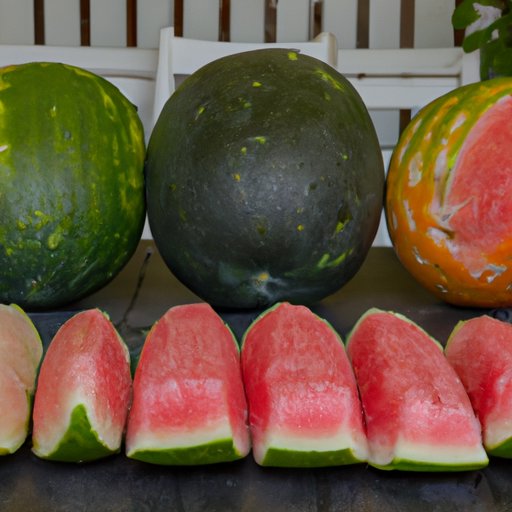
Not all watermelons are created equal. Different types of watermelon can vary greatly in terms of their nutrient content. For example, seedless watermelons tend to be lower in fiber than seeded varieties. Additionally, some varieties of watermelon can be higher in sugar than others. According to a study published in the Journal of Food Science, seedless watermelons had significantly higher sugar content than seeded watermelons.
Conclusion
Watermelon is a delicious summer fruit with many potential health benefits. It is a good source of vitamins and minerals, including lycopene, which has been linked to numerous health benefits. Eating watermelon can help improve your diet by replacing unhealthy snacks and adding valuable nutrients. While watermelon is not technically considered a superfood, it does offer some unique advantages. To get the most out of this sweet treat, it’s best to enjoy it in moderation and avoid adding any extra sugars or fats.
In conclusion, watermelon can be a great addition to a balanced diet. It is an excellent source of essential nutrients and can help reduce inflammation, improve heart health, and even aid in weight loss. When eaten in moderation and without added sugars or fats, watermelon can be a healthy and delicious part of your diet.
(Note: Is this article not meeting your expectations? Do you have knowledge or insights to share? Unlock new opportunities and expand your reach by joining our authors team. Click Registration to join us and share your expertise with our readers.)