
Introduction
The debate over whether a vegetarian diet is healthy has been ongoing for years. On one hand, vegetarians have been found to have lower rates of obesity, heart disease, and certain types of cancer than non-vegetarians. On the other hand, some experts argue that a vegetarian diet can be lacking in essential vitamins and minerals, such as iron, zinc, and vitamin B12.
The purpose of this article is to explore the pros and cons of a vegetarian diet and provide guidance on how to eat healthy as a vegetarian. We will look at the potential health benefits, discuss challenges to consider, and provide tips for getting enough nutrients on a vegetarian diet.
The Benefits of a Vegetarian Diet
Eating a vegetarian diet has numerous potential health benefits. Studies have found that vegetarians tend to have lower body mass index (BMI) values and lower levels of cholesterol and blood pressure than those who consume animal products. Additionally, there is evidence that suggests vegetarians may have a lower risk of developing certain chronic diseases, such as type 2 diabetes, heart disease, and colon cancer.
One study published in the American Journal of Clinical Nutrition found that vegetarians had significantly lower levels of LDL cholesterol, which is a risk factor for heart disease. The study also found that vegetarians were more likely to have a healthier BMI, as well as lower levels of triglycerides and higher levels of beneficial HDL cholesterol.
A vegetarian diet may also help with weight loss. Studies have shown that people who follow a vegetarian diet tend to be leaner than those who consume animal products. This could be due to the fact that vegetarian diets are typically higher in fiber and lower in fat than non-vegetarian diets.

Exploring the Pros and Cons of a Vegetarian Diet
While there are many potential benefits to following a vegetarian diet, it is important to understand the potential drawbacks as well. One of the biggest challenges of a vegetarian diet is ensuring that you are getting enough essential vitamins and minerals. Animal products are typically a good source of several key nutrients, such as iron, zinc, and vitamin B12. As such, if these nutrients are not obtained through other sources, a vegetarian diet may be nutritionally inadequate.
Additionally, some experts argue that vegetarian diets may be low in certain essential fatty acids, such as omega-3 fatty acids. While these fatty acids can be found in plant-based foods, they are typically not as bioavailable as those found in animal products. This means that the body may not be able to absorb as much of them from plant-based sources.

A Guide to Eating Healthy as a Vegetarian
While there are potential challenges associated with a vegetarian diet, it is possible to ensure that you are getting all the essential nutrients you need. Here are some tips for eating healthy as a vegetarian:
- Eat Variety: Eating a variety of different plant-based foods is key to ensuring that you are getting all the essential vitamins and minerals. Eat a wide range of fruits, vegetables, legumes, nuts, seeds, and whole grains.
- Build a Balanced Meal: Aim to include a source of protein, healthy fats, and complex carbohydrates in each meal. This will help ensure that you are getting all the essential nutrients your body needs.
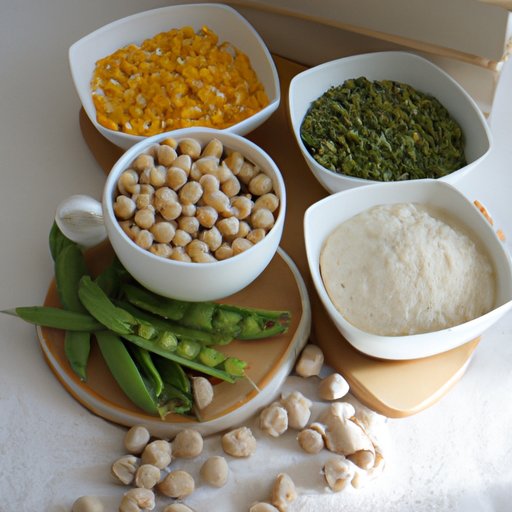
- Utilize Plant-Based Protein Sources: Plant-based proteins, such as beans, lentils, nuts, and seeds, are an excellent way to ensure you are getting enough protein on a vegetarian diet. Incorporate these foods into your meals and snacks.

How to Get Enough Protein on a Vegetarian Diet
Getting enough protein on a vegetarian diet can be a challenge, but it is possible. Here are some ways to increase your protein intake:
- Protein-Rich Foods: Include protein-rich plant-based foods, such as quinoa, tofu, tempeh, edamame, nuts, and seeds, in your meals and snacks. These foods are also high in essential vitamins and minerals.
- Other Ways to Increase Protein Intake: If you are looking for an easy way to increase your protein intake, try adding a scoop of plant-based protein powder to smoothies or oatmeal. You can also opt for plant-based protein bars or snacks.
Plant-Based Eating: What You Need to Know
In recent years, plant-based eating has become increasingly popular. While this approach does have its benefits, there are also some potential drawbacks to consider. Here is what you need to know about plant-based eating:
- Benefits of Plant-Based Eating: Plant-based eating focuses on whole, unprocessed foods and emphasizes a variety of fruits, vegetables, legumes, nuts, and seeds. This type of eating has been linked to numerous health benefits, such as improved cardiovascular health and reduced risk of chronic diseases.
- Potential Drawbacks: While plant-based eating has many potential benefits, it can also be challenging to make sure you are getting enough essential nutrients. Additionally, some plant-based foods may be high in calories and fat, which can lead to weight gain.
Is Vegetarianism Right for Everyone?
Ultimately, the decision to go vegetarian or not is a personal one. While there are many potential benefits to a vegetarian diet, it is not necessarily right for everyone. It is important to understand your individual needs and preferences before making any dietary changes.
If you decide to go vegetarian, make sure to speak to a healthcare professional or registered dietitian. They can provide individualized guidance on how to ensure you are getting all the essential nutrients your body needs.
Understanding the Nutritional Needs of Vegetarians
When following a vegetarian diet, it is important to pay attention to your macronutrient and micronutrient needs. Macronutrients, such as carbs, fats, and proteins, are essential for providing energy and building muscle. Micronutrients, such as vitamins and minerals, are necessary for proper growth and development.
In order to meet your nutritional needs on a vegetarian diet, focus on eating a variety of nutrient-dense plant-based foods. Additionally, consider taking a multivitamin or supplementing with specific nutrients, such as iron and vitamin B12, if needed.
Conclusion
In conclusion, a vegetarian diet can be a healthy option for many people. There are numerous potential health benefits associated with a vegetarian diet, including improved health, reduced risk of chronic diseases, and weight loss. However, it is important to understand the potential challenges of a vegetarian diet and make sure you are getting enough essential vitamins and minerals.
By eating a variety of nutrient-dense plant-based foods and understanding your individual needs, you can ensure that you are getting all the essential nutrients your body needs on a vegetarian diet. Ultimately, the decision to go vegetarian or not is a personal one and should be based on individual needs and preferences.
(Note: Is this article not meeting your expectations? Do you have knowledge or insights to share? Unlock new opportunities and expand your reach by joining our authors team. Click Registration to join us and share your expertise with our readers.)