
Introduction
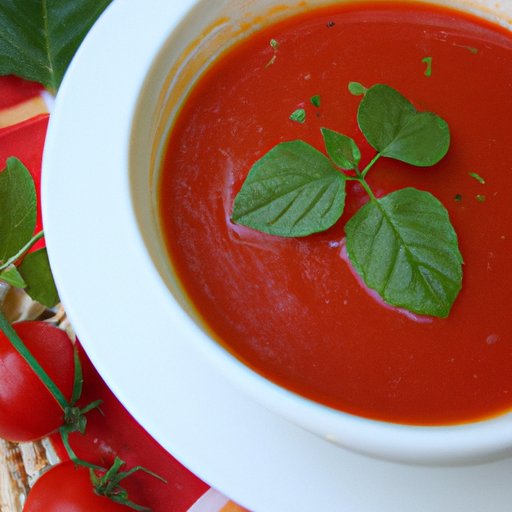
Tomato soup is a classic comfort food that’s enjoyed by people all over the world. It’s simple to make and can be found in most grocery stores. But is tomato soup actually healthy for you? In this article, we’ll explore the nutritional benefits and potential health risks of eating tomato soup, as well as the research on whether it can help with weight loss.

Examining the Nutritional Benefits of Tomato Soup
Tomatoes are an excellent source of vitamins and minerals, including vitamin C, potassium, folate, and vitamin A. They also contain lycopene, an antioxidant that has been linked to a number of potential health benefits. According to the American Heart Association, “eating foods rich in lycopene, such as tomatoes, may help reduce the risk of developing heart disease and certain types of cancer.”
Tomato soup also contains dietary fiber, which helps keep you feeling full for longer and can aid in digestion. One cup of canned tomato soup contains about 3 grams of dietary fiber, or 12% of the recommended daily value.

Exploring the Health Risks of Eating Tomato Soup
While there are some nutritional benefits to eating tomato soup, it does have some drawbacks. Canned tomato soup often contains a high amount of sodium, which can increase blood pressure and contribute to other health issues. The American Heart Association recommends limiting sodium intake to no more than 2,300 milligrams per day, and one cup of canned tomato soup contains 786 milligrams of sodium.
Canned tomato soup also typically contains added sugars, which can lead to weight gain and other health problems. Lastly, many canned tomato soups contain BPA, a chemical that has been linked to a number of health concerns.
What the Research Says About Eating Tomato Soup for Weight Loss
Some studies have suggested that eating tomato soup can help with weight loss. One study compared the effects of consuming tomato soup versus water on hunger levels and found that those who ate the soup experienced reduced hunger and greater feelings of fullness. Other studies have found that consuming tomato soup can help reduce calorie intake and improve satiety.
However, it’s important to note that these studies used homemade tomato soup, not canned varieties. Canned soup often contains added sugars and other unhealthy ingredients, which can negate any potential benefits.

The Pros and Cons of Adding Tomato Soup to Your Diet
Overall, there are both pros and cons to adding tomato soup to your diet. On the plus side, it’s a great source of vitamins and minerals, and it can help you feel full and satisfied. However, it’s important to be aware of the potential health risks associated with eating canned tomato soup, such as the high sodium content and added sugars.
How to Make Healthy Tomato Soup at Home
If you want to enjoy the benefits of eating tomato soup without the risks associated with canned varieties, you can easily make your own at home. All you need are a few simple ingredients: tomatoes, olive oil, garlic, onions, and herbs. You can also add other vegetables, such as carrots, celery, or bell peppers, for extra flavor and nutrients.
To make the soup, simply sauté the garlic and onions in olive oil until they’re softened. Add the tomatoes and other vegetables, if using, and cook for a few minutes. Then, add the herbs and enough water to cover the vegetables. Bring the mixture to a boil and simmer for 10-15 minutes, or until the vegetables are tender. Finally, blend the soup until it reaches your desired consistency and season with salt and pepper to taste.
Conclusion
Tomato soup can be a nutritious and delicious addition to your diet, but it’s important to be aware of the potential health risks associated with canned varieties. Homemade tomato soup is a healthier option, as it contains fewer added sugars and doesn’t contain any potentially harmful chemicals. With a few simple ingredients, you can easily make your own healthy tomato soup at home.
(Note: Is this article not meeting your expectations? Do you have knowledge or insights to share? Unlock new opportunities and expand your reach by joining our authors team. Click Registration to join us and share your expertise with our readers.)