
Introduction
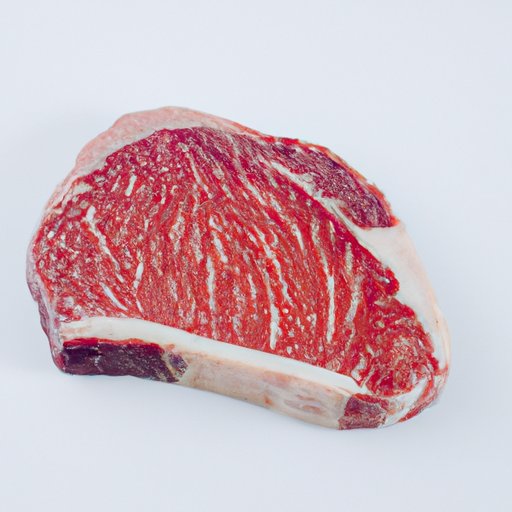
Steak is a popular protein source that has been enjoyed by many cultures around the world for centuries. But is steak healthy for you? This article explores the science behind red meat and its nutritional benefits to help you decide if steak should be part of your balanced diet.
Nutritional Benefits of Eating Steak
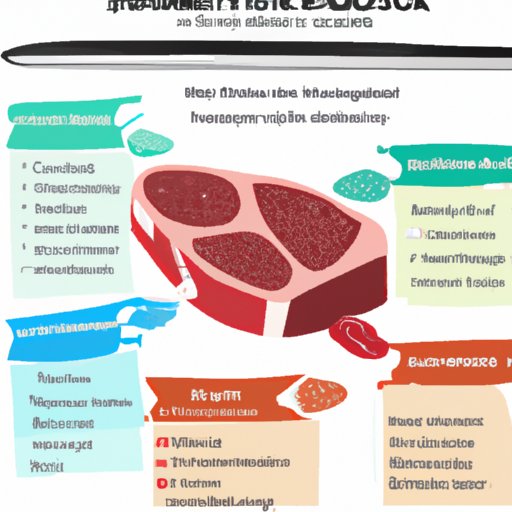
Eating steak can provide your body with essential nutrients that are necessary for good health. Here are some of the key nutritional benefits of eating steak:
Protein
Steak is an excellent source of high-quality protein. Protein is essential for building muscle, repairing tissues, and creating hormones and enzymes in the body. According to the USDA, 3 ounces of cooked steak provides about 21 grams of protein.
Iron
Steak is also a good source of iron. Iron is important for transporting oxygen through the body and playing a role in energy production. The same 3 ounces of cooked steak provides roughly 2 milligrams of iron, which is 11% of the recommended daily intake for women and 25% for men.
Vitamin B12
Vitamin B12 is an essential vitamin that helps with the formation of red blood cells and the proper functioning of the nervous system. It can only be found naturally in animal-based foods such as steak. Three ounces of cooked steak provides about 1.4 micrograms of vitamin B12, which is 24% of the recommended daily intake.
Zinc
Steak is also a good source of zinc. Zinc plays an important role in immune function, wound healing, growth and development, and cell division. Three ounces of cooked steak provides about 4 milligrams of zinc, which is 27% of the recommended daily intake for men and 36% for women.
Is Red Meat Healthy?
The debate over whether or not red meat is healthy has been ongoing for years. While there is no definitive answer, research suggests that eating red meat in moderation may have some health benefits. Let’s take a closer look at what the research says.
What the Research Says
A recent study published in the journal Nutrition Reviews found that moderate consumption of unprocessed red meat (such as steak) was not associated with an increased risk of cardiovascular disease or cancer. However, the study did find that processed meats (such as bacon, sausage, and deli meats) were linked to an increased risk of these conditions.
The Potential Risks Associated with Eating Red Meat
Although eating steak in moderation may have health benefits, too much red meat can increase your risk of certain health conditions. Studies have found that consuming large amounts of red meat can increase your risk of colorectal cancer, diabetes, heart disease, and obesity. It is important to note that these risks are higher when consuming processed meats, rather than unprocessed red meats like steak.
How to Make the Most of Your Steak
If you decide to include steak in your diet, there are a few things you should keep in mind to make the most of your steak.
Cooking Methods
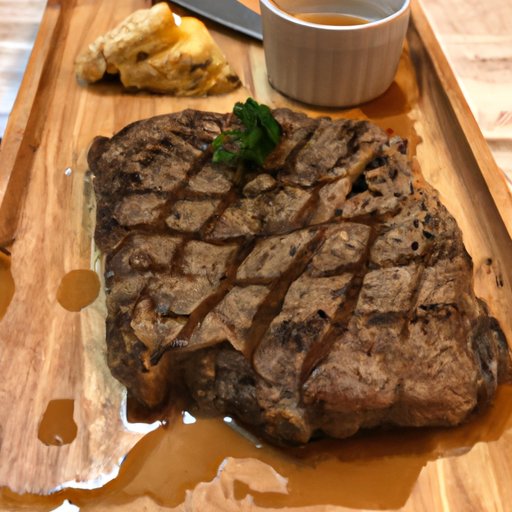
It is important to choose the right cooking method for your steak. Grilling and broiling are two of the best methods for cooking steak, as they do not add extra fat or calories. If you prefer to pan fry your steak, try using a light oil or fat, such as olive oil. Avoid deep frying your steak, as this adds extra calories and fat.
Understanding the Different Cuts of Steak
There are many different cuts of steak available, each with its own unique flavor and texture. It is important to understand the differences between the various types of steak so you can choose the one that best suits your taste and budget.
What You Should Know Before Eating Steak
Before you start enjoying steak on a regular basis, there are a few things you should know to ensure you are getting the most out of your steak.
Choosing Grass-Fed Beef
When shopping for steak, try to opt for grass-fed beef instead of grain-fed beef. Grass-fed beef is higher in omega-3 fatty acids, antioxidants, and vitamins, and lower in saturated fat. It is also more sustainable and better for the environment.
Understanding Portion Sizes
It is important to pay attention to portion sizes when eating steak. The USDA recommends limiting your portion size to 3 ounces, which is about the size of a deck of cards. Eating larger portions of steak can increase your risk of health problems.

A Comprehensive Guide to Eating Steak for Optimal Health
Eating steak can be beneficial to your health, but it is important to understand the nutritional benefits and potential risks associated with red meat. Here is a comprehensive guide to eating steak for optimal health:
Balancing Your Diet
It is important to balance your diet with other sources of protein, such as fish, poultry, eggs, nuts, and legumes. Eating a variety of protein sources can help you get all the essential nutrients you need without overloading on any one type of food.
Monitoring Your Cholesterol Levels
Eating steak can increase your cholesterol levels, so it is important to monitor your cholesterol levels regularly. If your cholesterol levels are high, talk to your doctor about lifestyle changes you can make to lower them.
Examining the Pros and Cons of Eating Steak for a Balanced Diet
Eating steak can provide you with essential nutrients, but it can also increase your risk of certain health conditions. Here is a look at the pros and cons of eating steak for a balanced diet.
Advantages of Eating Steak
Eating steak can provide your body with essential nutrients such as protein, iron, vitamin B12, and zinc. It can also be a flavorful and satisfying addition to your diet. When eaten in moderation, steak can be a healthy part of a balanced diet.
Disadvantages of Eating Steak
Eating too much steak can increase your risk of certain health conditions, such as colorectal cancer, diabetes, heart disease, and obesity. It can also raise your cholesterol levels, which can lead to other health problems. It is important to eat steak in moderation and combine it with other sources of protein for a balanced diet.
Conclusion
In conclusion, eating steak can be beneficial to your health, but it is important to understand the nutritional benefits and potential risks associated with red meat. To make the most of your steak, try to opt for grass-fed beef, limit your portion size to 3 ounces, and balance your diet with other sources of protein. By following these tips, you can enjoy steak as part of a healthy, balanced diet.
(Note: Is this article not meeting your expectations? Do you have knowledge or insights to share? Unlock new opportunities and expand your reach by joining our authors team. Click Registration to join us and share your expertise with our readers.)