
Introduction
Salads are often seen as one of the healthiest meals you can eat. While it’s true that salads can be incredibly nutritious, there is more to consider than just what goes in the bowl. In this article, we will explore the nutritional benefits of salads, discuss the pros and cons of eating them every day, and provide creative tips for making a healthy salad.

Exploring the Nutritional Benefits of Salad
Salads can be an excellent source of essential vitamins and minerals. According to the United States Department of Agriculture (USDA), “A well-balanced salad can provide many of the nutrients your body needs each day.”
Vitamins and Minerals
Salads can contain many different types of vitamins and minerals, including vitamin A, vitamin C, vitamin K, potassium, iron, and magnesium. Dark leafy greens, such as spinach, kale, and arugula, are especially high in these nutrients. Other vegetables, such as tomatoes, peppers, and carrots, are also good sources of vitamins and minerals.
Macronutrients
Salads can also provide a good source of macronutrients, such as carbohydrates, proteins, and fats. Depending on the ingredients used, a salad can provide a balanced mix of all three macronutrients. For example, adding lean protein, such as grilled chicken or hard-boiled eggs, can boost the protein content of a salad. Adding nuts, seeds, or avocado can add healthy fats, while grains, such as quinoa or brown rice, can add complex carbohydrates.
Other Health Benefits
In addition to providing essential vitamins and minerals, salads can also offer other health benefits. Eating salads can help increase your fiber intake, which can aid in digestion and help keep you feeling full for longer. Salads can also be a great way to get more vegetables into your diet, which can reduce the risk of chronic diseases such as heart disease and diabetes.
Is Eating Salad Every Day Good for You?
Eating salads every day can have both pros and cons. Here are some things to consider when deciding how often to eat salads.
Pros of Eating Salads Daily
One of the main benefits of eating salads every day is that it can help you reach your daily nutrient goals. As previously mentioned, salads can be packed with essential vitamins and minerals, as well as macronutrients. Eating salads can also help you get more vegetables into your diet, which can provide numerous health benefits.
Cons of Eating Salads Daily
However, there can also be some drawbacks to eating salads every day. Salads can be high in calories, depending on the ingredients used. If you’re trying to lose weight, you may want to limit the number of salads you eat each week. Additionally, if you’re not careful, you can end up consuming more calories than you need from high-calorie dressings and toppings.
Creative Ways to Make a Healthy Salad
Making a healthy salad doesn’t have to be boring. Here are some tips for spicing up your salads and making them even healthier.
Choosing the Right Greens
Start by choosing the right greens. Leafy greens, such as spinach, kale, and arugula, are low in calories and high in essential vitamins and minerals. Try mixing and matching different types of greens to add color and texture to your salad.
Adding Fibrous Toppings
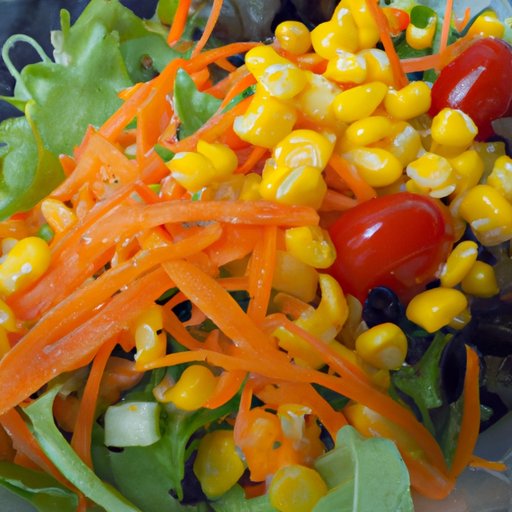
Next, add some fibrous toppings, such as beans, corn, and chickpeas. These are great sources of protein and fiber, which can help you stay full for longer. For added flavor, try adding roasted vegetables, such as sweet potatoes, bell peppers, and onions.
Incorporating Healthy Fats
Healthy fats, such as nuts, seeds, and avocados, can also be added to salads. These foods are rich in essential fatty acids, which can help keep you feeling fuller for longer. They can also add a delicious crunch to your salad.
Packing in Protein
Finally, don’t forget to add some protein. Lean proteins, such as grilled chicken, salmon, and hard-boiled eggs, are great sources of protein that can help boost the nutritional value of your salad. For a vegan option, try adding tofu, tempeh, or edamame.

How to Choose the Healthiest Salad Ingredients
When making a salad, it’s important to choose the healthiest ingredients. Here are some tips for selecting the best ingredients for your salad.
Avoiding High-Calorie Toppings
High-calorie toppings, such as croutons and bacon bits, can quickly add up. When possible, opt for low-calorie toppings, such as nuts, seeds, and fresh fruits and vegetables.
Opting for Low-Fat Dressings
Dressings can also add a lot of calories to your salad. Try opting for low-fat dressings, such as olive oil and vinegar, or make your own using yogurt and herbs.
Selecting Fresh Produce
Finally, try to choose fresh produce whenever possible. Fresh fruits and vegetables are usually higher in vitamins and minerals than canned or frozen ones. Additionally, they can be more flavorful and colorful, making your salad look and taste better.
Why You Should Add Salad to Your Diet
There are many reasons why you should add salad to your diet. Here are just a few of the benefits that eating salads can provide.
Improving Overall Health
As previously mentioned, salads can be an excellent source of essential vitamins and minerals. Eating salads can help you reach your daily nutrient goals, which can ultimately lead to improved overall health.
Boosting Digestive Health
Salads can also help boost your digestive health. Eating salads can help increase your fiber intake, which can aid in digestion and help keep you feeling full for longer.
Supporting Weight Loss
If you’re trying to lose weight, adding salads to your diet can be beneficial. Salads can be low in calories and high in essential nutrients, making them a great option for weight loss. Just be sure to watch your portions and avoid high-calorie dressings and toppings.

Making Salads Part of a Balanced Diet
Salads can be a great addition to your diet, but it’s important to remember that they should not be the only thing you eat. Here are some tips for making salads part of a balanced diet.
Combining Salads with Other Foods
Try combining salads with other healthy foods, such as lean proteins, whole grains, and healthy fats. This can help ensure that you are getting all the essential nutrients your body needs.
Portion Control
It’s also important to practice portion control. Eating too much of any food, including salads, can lead to overeating and weight gain. Try to keep your portions reasonable and focus on eating until you are satisfied, rather than stuffed.
Moderation
Finally, remember to practice moderation. Eating salads every day can be beneficial, but it’s important to mix things up and incorporate other healthy foods into your diet as well.
Conclusion
Salads can be a great source of essential vitamins and minerals. They can also provide other health benefits, such as boosting digestive health and supporting weight loss. When making a salad, it’s important to choose the healthiest ingredients and practice portion control. Additionally, it’s important to remember to mix things up and include other healthy foods in your diet. By following these tips, you can make salads part of a balanced diet that will help you reach your health goals.
(Note: Is this article not meeting your expectations? Do you have knowledge or insights to share? Unlock new opportunities and expand your reach by joining our authors team. Click Registration to join us and share your expertise with our readers.)