
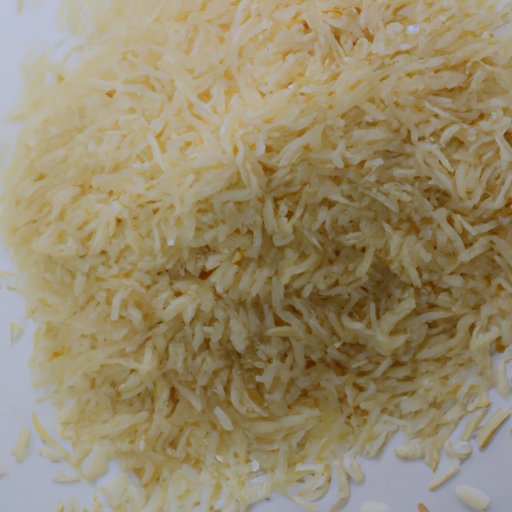
Introduction
When people are trying to lose weight, they often look for foods that can help them reach their goals. But is rice a good choice? There are many conflicting opinions on this subject, so it can be difficult to know whether or not rice should be included in a healthy diet for weight loss.
This article will explore the nutritional benefits of rice for weight loss, the differences between brown and white rice, and the pros and cons of including rice in your diet. By the end of this article, you will have a better understanding of whether rice is a good choice when trying to cut calories and lose weight.
Exploring the Nutritional Benefits of Rice for Weight Loss
Rice is a staple food in many cultures, and it has been eaten for thousands of years. It is an affordable, versatile, and nutrient-dense grain that provides numerous health benefits. Here’s a look at the nutrient content of rice and how it can help you lose weight.
Nutrient Content of Rice
Rice is a good source of carbohydrates, which provide energy to the body. Most types of rice also contain protein, fiber, vitamins, minerals, and antioxidants. According to the American Journal of Clinical Nutrition, white rice is higher in calories and carbohydrates than brown rice, but it is lower in fiber and other micronutrients. Brown rice is higher in fiber, protein, and several important vitamins and minerals.
How Eating Rice Can Help You Lose Weight
Eating whole grains like rice can help you feel full for longer and reduce cravings for unhealthy snacks. Studies have shown that people who eat more whole grains tend to have a lower body mass index (BMI). A study published in the Journal of Nutrition found that participants who ate three servings of whole grains per day had a lower BMI than those who did not. Eating rice can also help you reach your daily recommended intake of dietary fiber, which is important for reducing cholesterol levels and supporting digestive health.
Is Brown Rice Better Than White Rice for Weight Loss?
Brown rice is often seen as the healthier option, but is it really better than white rice when it comes to weight loss? Let’s take a look at the nutritional differences between the two types of rice and the potential health benefits of eating brown rice.
Nutritional Differences Between Brown and White Rice
Brown rice is higher in fiber, protein, and several essential vitamins and minerals than white rice. According to a study published in the Journal of Food Science and Technology, brown rice contains more antioxidants than white rice, which may help protect against certain diseases. Brown rice also has a lower glycemic index, meaning it is digested more slowly and can help keep blood sugar levels stable.
Health Benefits of Brown Rice
The health benefits of brown rice include improved heart health, lower cholesterol levels, and better blood sugar control. According to a study published in the International Journal of Biological Macromolecules, consuming brown rice can help reduce inflammation, which may reduce the risk of chronic diseases such as type 2 diabetes and cardiovascular disease. Eating brown rice instead of white rice may also help you feel fuller for longer, which can lead to fewer cravings and less calorie consumption.

A Look at the Pros and Cons of Including Rice in Your Diet
Including rice in your diet can offer many potential health benefits, but there are also some drawbacks to consider. Here are the pros and cons of eating rice for weight loss.
Pros of Eating Rice
Rice is a good source of complex carbohydrates, which provide energy to the body. It is also high in fiber, which can help keep you feeling full for longer and reduce cravings for unhealthy snacks. Additionally, studies have shown that eating whole grains like rice can help reduce cholesterol levels and support digestive health. Finally, rice is affordable, easy to prepare, and can be used in a variety of dishes.
Cons of Eating Rice
The main downside to eating rice is that it is high in calories and carbohydrates. Eating too much rice can cause weight gain, and the refined grains found in white rice can spike blood sugar levels. Additionally, many types of rice are processed with added salt and fat, which can increase the calorie content and decrease the nutritional value.
Is Rice a Good Choice When Trying to Cut Calories?
If you’re trying to cut calories, rice may not be the best choice. However, there are some low-calorie alternatives to consider. Here are a few options to add to your diet instead of rice.
Low-Calorie Alternatives to Rice
Cauliflower rice is a popular low-calorie alternative to regular rice. It is made by grating or blending raw cauliflower into small pieces that resemble grains of rice. Cauliflower rice is a good source of fiber and vitamins, and it has fewer calories than regular rice. Other low-calorie alternatives to rice include quinoa, bulgur wheat, and barley.
How to Make Healthy Choices when Eating Rice
If you do decide to include rice in your diet, there are some simple steps you can take to make sure you are making healthy choices. Choose brown rice over white rice whenever possible, and opt for wild rice, which is higher in fiber and protein than other types of rice. Avoid processed and pre-packaged rice, as these can be high in sodium and added fats. Finally, watch your portion sizes and limit your intake of rice to one or two servings per day.
Is Rice Part of a Healthy Diet for Weight Loss?
Rice can be part of a healthy diet for weight loss if it is consumed in moderation and the right type is chosen. Eating a balanced diet that includes a variety of whole grains, fruits, vegetables, lean proteins, and healthy fats is key to losing weight and maintaining a healthy lifestyle. Here are some tips for incorporating rice into a healthy diet.
Eating a Balanced Diet for Weight Loss
A balanced diet is essential for weight loss and long-term health. Focus on eating a variety of whole grains, lean proteins, healthy fats, fruits, and vegetables. Limit your intake of processed foods and added sugars, and drink plenty of water throughout the day. Aim for at least 30 minutes of physical activity every day, and get plenty of sleep to promote overall health and well-being.
Tips for Incorporating Rice into a Healthy Diet
When adding rice to your diet, opt for brown rice over white rice whenever possible. Try to buy organic and non-GMO varieties of rice, and avoid processed and pre-packaged versions. Make sure to watch your portion sizes and limit your intake of rice to one or two servings per day. If you are looking for a low-calorie alternative to rice, try cauliflower rice or other whole grains like quinoa, bulgur wheat, or barley.
Conclusion
Rice can be part of a healthy diet for weight loss if consumed in moderation and the right type is chosen. Brown rice is higher in fiber and other essential nutrients than white rice, and it has a lower glycemic index, which can help keep blood sugar levels stable. Eating whole grains like rice can help reduce cravings for unhealthy snacks, and it can provide essential vitamins and minerals. However, it is important to watch your portion sizes and limit your intake of rice to one or two servings per day.
In conclusion, rice can be a healthy addition to your diet if you make smart choices. Eating a balanced diet that includes a variety of whole grains, lean proteins, fruits, vegetables, and healthy fats is key to achieving your weight loss goals. With the right approach, rice can be a beneficial part of your weight loss journey.
(Note: Is this article not meeting your expectations? Do you have knowledge or insights to share? Unlock new opportunities and expand your reach by joining our authors team. Click Registration to join us and share your expertise with our readers.)