

Introduction
Pistachios are small, edible seeds with a sweet and nutty flavor. They are commonly used as a snack food or ingredient in many dishes. While they have been enjoyed for centuries, it is only recently that their health benefits have come to light. This article will explore the nutritional benefits of eating pistachios, potential health risks associated with them, and how they can benefit heart health and help regulate blood sugar levels.
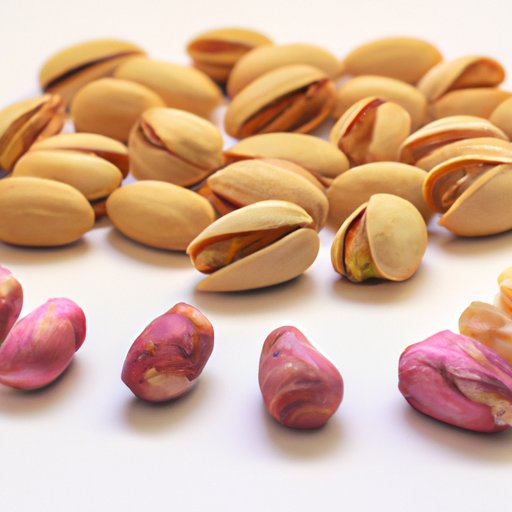
Nutritional Benefits of Pistachios Compared to Other Nuts
Pistachios contain a range of vitamins and minerals, including Vitamin E, B6, magnesium, and phosphorus. They are also an excellent source of dietary fiber and protein, with one ounce providing 6 grams of protein and 3 grams of dietary fiber. In comparison to other nuts, pistachios contain fewer calories and fat, making them a healthier option.
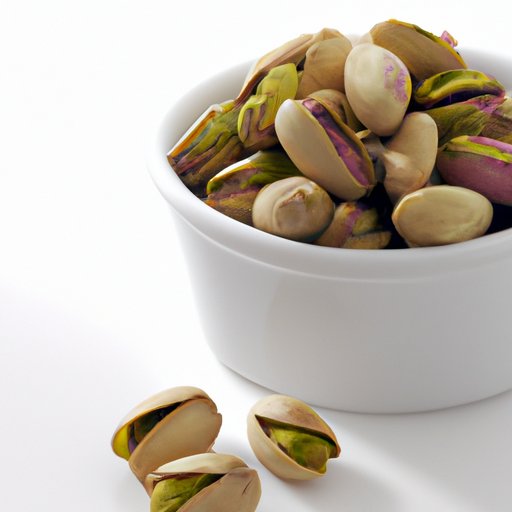
Potential Health Risks Associated with Eating Pistachios
As with any food, there are potential health risks associated with consuming pistachios. Allergies are the most common risk, with some people having a severe reaction to eating pistachios. Additionally, pistachios may be contaminated with bacteria such as salmonella, so it is important to purchase them from a reliable source.
Role of Pistachios in a Balanced Diet
In addition to their high protein and fiber content, pistachios are also a good source of antioxidants, which can help protect against cell damage caused by free radicals. They also provide essential fatty acids that are important for healthy skin and hair. As part of a balanced diet, pistachios can help promote overall health and well-being.

Effects of Consuming Pistachios on Cholesterol Levels
Pistachios are rich in monounsaturated fats, which can help lower LDL (“bad”) cholesterol levels. Additionally, they also contain plant sterols, which can further reduce LDL cholesterol levels. Eating pistachios can also help raise HDL (“good”) cholesterol levels, which can reduce the risk of heart disease.
Evidence that Pistachios Can Aid Weight Loss
Pistachios are low in calories and have a high satiety value, meaning that they can help keep you feeling fuller for longer. Eating a handful of pistachios as a snack between meals can help control cravings and reduce the overall calorie intake for the day, which can lead to weight loss over time.
Research on Pistachios and Heart Health
Studies have found that regular consumption of pistachios can help lower blood pressure and reduce the risk of coronary heart disease. The high polyunsaturated fat content of pistachios helps to reduce inflammation, which can reduce the risk of heart disease. Additionally, the antioxidants present in pistachios can help protect against oxidative stress, which is another factor in heart disease.
Impact of Pistachios on Blood Sugar Levels
Pistachios have a low glycemic index, meaning that they do not cause a rapid spike in blood sugar levels. Additionally, the glycemic load of pistachios is relatively low, meaning that they can be safely consumed by those with diabetes. Eating pistachios can help stabilize blood sugar levels and prevent spikes in insulin levels.
Conclusion
Overall, pistachios are a nutritious and healthy snack that can provide numerous health benefits. They are a good source of protein, fiber, vitamins, and minerals, and can help reduce the risk of heart disease and regulate blood sugar levels. However, it is important to remember that eating too many pistachios can lead to weight gain, so it is important to consume them in moderation. For those looking to improve their overall health, adding a handful of pistachios to their daily diet is a great way to get started.
(Note: Is this article not meeting your expectations? Do you have knowledge or insights to share? Unlock new opportunities and expand your reach by joining our authors team. Click Registration to join us and share your expertise with our readers.)