
Introduction
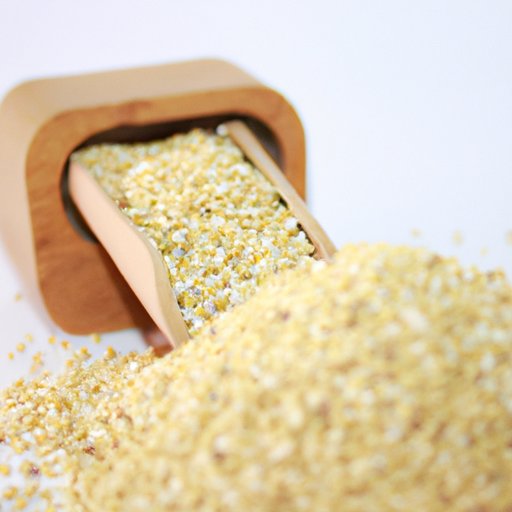
Millet is a type of grain that has been eaten for centuries and is still popular today. It is a small, round seed that comes from a variety of grasses and can be ground into flour or cooked like rice. It has a mild flavor and can be used in a variety of dishes. In addition to being tasty, millet is also a nutritious food that provides many health benefits.

Analyzing the Nutritional Benefits of Millet
Millet is a good source of several essential nutrients, including protein, fiber, B vitamins, iron, magnesium, and zinc. It is also low in fat and calories, making it a great choice for those looking to lose weight or maintain their current weight. One cup of cooked millet contains approximately 6 grams of protein, 3 grams of dietary fiber, and only 125 calories.
The health benefits associated with eating millet include improved digestion, lower cholesterol levels, better heart health, and increased energy levels. The high fiber content helps to reduce bad cholesterol levels, while the B vitamins help to boost energy levels. Millet is also a good source of magnesium, which helps to relax the muscles and improve overall cardiovascular health.
Exploring the Health Benefits of Adding Millet to Your Diet
Eating millet can help you reach your health goals by providing essential nutrients and helping to control blood sugar levels. Millet contains complex carbohydrates, which break down slowly, giving you sustained energy throughout the day. This makes it a great choice for those looking to manage their blood sugar levels. The high fiber content also helps to keep you feeling full longer, which can help with weight management.
In addition to providing essential nutrients, millet is also a great source of whole grain nutrition. Whole grains have been linked to a number of health benefits, such as reducing the risk of heart disease, stroke, and type 2 diabetes. By eating millet, you can get all the nutritional benefits of whole grains without having to consume large amounts of refined grains.

Comparing Millet to Other Grains for Health Benefits
When it comes to comparing millet to other grains, there are some key differences. Millet is higher in protein and fiber than other grains, such as wheat, barley, and oats. It is also higher in B vitamins and minerals, such as iron, magnesium, and zinc. When it comes to carbohydrates, millet has a lower glycemic index than other grains, meaning it won’t cause your blood sugar levels to spike.
When it comes to potential health benefits, millet is an excellent choice. Studies have shown that eating millet can help to reduce bad cholesterol levels, lower blood pressure, and even improve digestive health. It can also help to reduce the risk of heart disease and type 2 diabetes, making it a great choice for those looking to improve their overall health.

Investigating the Potential Risks of Eating Millet
Although millet is generally considered safe for most people, there are some potential risks to consider. Those who have allergies to other grains may also be allergic to millet, so it is important to talk to your doctor before adding it to your diet. Additionally, some people may experience digestive issues when consuming millet, such as bloating, gas, and constipation.
Examining the Impact of Millet on Digestive Health
Millet can have a positive impact on digestive health due to its high fiber content. Fiber helps to keep your digestive system running smoothly and can help to reduce symptoms of constipation, bloating, and gas. To get the most benefit, it’s important to eat millet as part of a balanced diet that includes plenty of fruits, vegetables, and other whole grains.
It’s also important to drink plenty of water when eating millet. Water helps to keep your digestive system running smoothly and can help to prevent constipation and other digestive issues. Additionally, it’s important to chew your food thoroughly to make sure it’s properly digested.
Conclusion
Millet is a nutritious grain that offers a variety of health benefits. It is a good source of protein, fiber, B vitamins, and minerals, and it has a low glycemic index, making it a great choice for those managing their blood sugar levels. Additionally, it can help to reduce bad cholesterol levels and improve digestive health. To get the most benefit, it’s important to incorporate millet into a balanced diet that includes plenty of fruits, vegetables, and other whole grains.
Overall, millet is an excellent choice for those looking to improve their health. It is a nutritious, low-calorie food that can provide a variety of health benefits, including improved digestion and heart health. For those looking to add more whole grains to their diet, millet is a great option.
(Note: Is this article not meeting your expectations? Do you have knowledge or insights to share? Unlock new opportunities and expand your reach by joining our authors team. Click Registration to join us and share your expertise with our readers.)