

Introduction
Mexican cuisine is one of the most popular cuisines around the world. Its vibrant flavors and bold spices have made it a staple in many households. But is Mexican food healthy? This article will explore the nutritional benefits and risks of eating Mexican food, to help you make informed decisions about what to include in your diet.
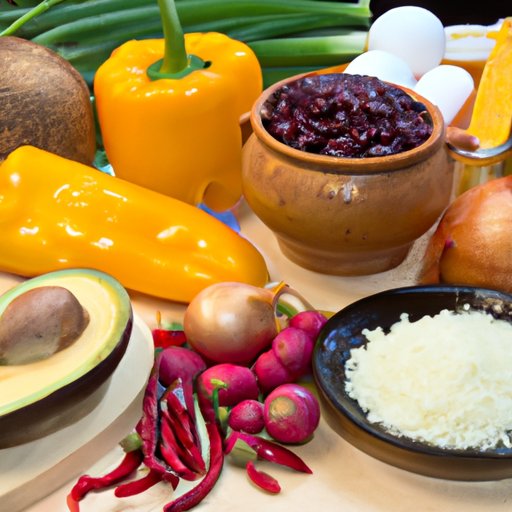
Examining the Nutritional Benefits of Mexican Cuisine
Mexican cuisine is known for being flavorful and full of variety, but it can also be nutritious. Let’s take a closer look at the macronutrients and micronutrients found in Mexican dishes.
Macronutrients in Mexican Dishes
Mexican dishes typically contain all three macronutrients: carbohydrates, proteins, and fats. Carbohydrates are found in foods such as corn, beans, and rice. These provide energy and fiber which help keep you feeling full and energized. Proteins are found in meats and dairy products, and they help build and repair muscle. Fats are found in foods like avocado and cheese, and they provide essential fatty acids and energy.
Micronutrients in Mexican Dishes
Mexican dishes also contain several micronutrients, including vitamins and minerals. Vitamins are found in fruits and vegetables, such as tomatoes, peppers, and squash. They help support the body’s immune system and metabolism. Minerals, such as calcium, magnesium, and zinc, are found in foods such as beans, nuts, and fish. They help support strong bones and teeth.
How Mexican Dishes Can Help Meet Nutritional Needs
The combination of macronutrients and micronutrients in Mexican dishes can help meet your daily nutritional needs. For example, a meal of chicken fajitas contains protein, carbohydrates, and healthy fats, as well as vitamins and minerals. This can help provide the energy and nutrients needed for good health.
Exploring the Health Risks Associated with Eating Mexican Food
While Mexican food can be healthy, there are also some potential health risks associated with eating it. Let’s take a look at some of these.
High-fat Content of Many Mexican Dishes
Many Mexican dishes are high in fat. This includes dishes like tacos, enchiladas, and burritos, which often contain cheese, sour cream, and other high-fat ingredients. Eating too much fat can lead to weight gain and an increased risk of heart disease.
High Sodium Levels in Many Mexican Dishes
Mexican dishes can also be high in sodium. This is because of the use of salt and other ingredients such as canned beans and tomatoes, which often contain added sodium. Eating too much sodium can cause water retention, high blood pressure, and an increased risk of stroke and heart disease.
Risk of Contamination from Unsanitary Preparation Conditions
When eating out, there is always a risk of contamination from unsanitary preparation conditions. This is especially true in restaurants that serve Mexican food, as many dishes contain raw or undercooked ingredients. Eating contaminated food can lead to food poisoning and other illnesses.
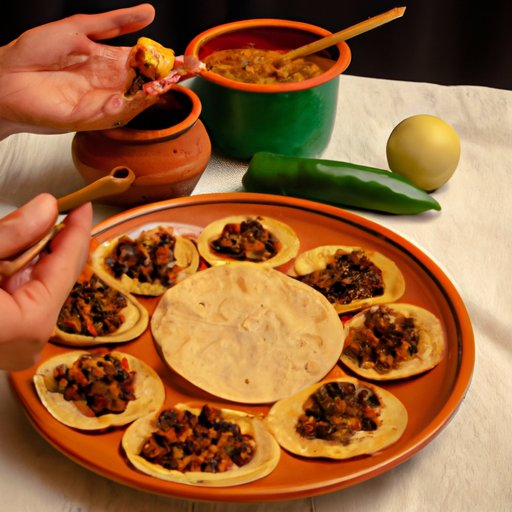
Investigating the Role of Traditional Mexican Dishes in a Balanced Diet
Traditional Mexican dishes can play an important role in a balanced diet. Let’s take a look at why.
Variety of Healthy Ingredients Found in Traditional Mexican Dishes
Traditional Mexican dishes contain a variety of healthy ingredients. These include lean proteins such as chicken, fish, and beans; complex carbohydrates such as quinoa and sweet potatoes; and plenty of fresh fruits and vegetables. All of these can help provide the nutrients needed for good health.
Low Calorie Content of Many Traditional Mexican Dishes
Many traditional Mexican dishes are low in calories. This makes them a great choice for those looking to lose weight or maintain a healthy weight. For example, a serving of chicken tacos has just 210 calories, while a serving of black bean enchiladas has only 250 calories.
Balance of Macronutrients in Traditional Mexican Dishes
Traditional Mexican dishes also tend to have a balanced combination of macronutrients. For example, a dish of beef tacos contains carbohydrates, proteins, and fats in equal proportions. This helps provide the energy and nutrients needed without overloading on any one macronutrient.

Investigating How Modern Mexican Food Compares to Traditional Dishes
Modern Mexican dishes have changed significantly from their traditional counterparts. Let’s take a look at how they differ.
Increase in Fat, Salt, and Sugar Content of Modern Mexican Dishes
Modern Mexican dishes often contain more fat, salt, and sugar than traditional dishes. This is due to the use of processed ingredients such as cheese, sour cream, and canned beans. Eating too much fat, salt, and sugar can lead to weight gain and an increased risk of heart disease.
Decrease in Variety of Healthy Ingredients in Modern Mexican Dishes
Modern Mexican dishes also tend to contain fewer healthy ingredients than traditional dishes. For example, many dishes now contain refined grains instead of whole grains, and processed meats instead of lean proteins. Eating fewer healthy ingredients can lead to nutrient deficiencies.
Lack of Balance of Macronutrients in Modern Mexican Dishes
Modern Mexican dishes often lack the balance of macronutrients found in traditional dishes. For example, many dishes contain more carbohydrates and fat than protein. Eating an unbalanced diet can lead to weight gain and an increased risk of heart disease.
Analyzing the Impact of Common Mexican Ingredients on Well-Being
In addition to examining the nutritional benefits and risks of Mexican food, it is also important to consider the impact of common Mexican ingredients on well-being. Let’s take a look at some of the most popular ingredients.
Avocado’s Potential to Lower Cholesterol
Avocados are a popular ingredient in Mexican cuisine. They are a good source of monounsaturated fats, which can help lower cholesterol levels. A study by the American Heart Association found that eating avocados regularly can reduce LDL (“bad”) cholesterol levels by up to 22%.
Beans’ Ability to Reduce Blood Pressure
Beans are another popular ingredient in Mexican dishes. They are a good source of fiber and protein, and they can help reduce blood pressure. A study published in the journal Hypertension found that people who ate a diet rich in beans had lower blood pressure than those who did not.
Tomatoes’ Potential to Fight Cancer
Tomatoes are a key ingredient in many Mexican dishes. They are a good source of antioxidants, which can help protect against cancer. A study published in the Journal of the National Cancer Institute found that eating tomatoes regularly can reduce the risk of certain types of cancer.
Conclusion
In conclusion, Mexican cuisine can be both nutritious and delicious. It contains a variety of macronutrients and micronutrients that can help meet your daily nutritional needs. However, it is important to be aware of the potential health risks associated with eating Mexican food, such as high fat and sodium content. Traditional Mexican dishes tend to be healthier than modern dishes, so it is best to stick to these when possible. Additionally, common Mexican ingredients such as avocados, beans, and tomatoes can have a positive effect on well-being. With mindful eating and an understanding of the nutritional benefits and risks of Mexican food, you can enjoy it as part of a balanced diet.
(Note: Is this article not meeting your expectations? Do you have knowledge or insights to share? Unlock new opportunities and expand your reach by joining our authors team. Click Registration to join us and share your expertise with our readers.)