
Introduction
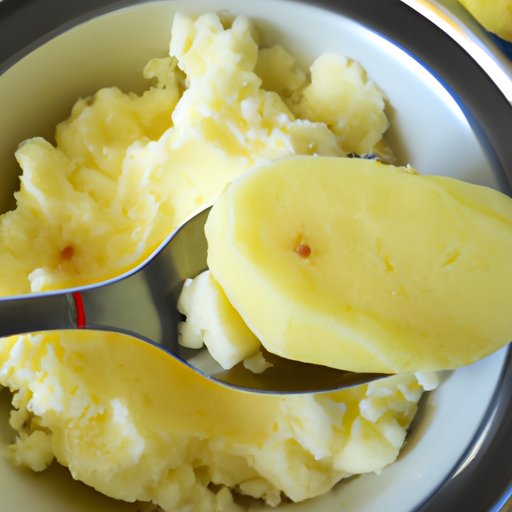
Mashed potatoes are a classic comfort food that is enjoyed around the world. They are made by boiling potatoes and then mashing them together with butter, milk, and other ingredients. While mashed potatoes may be delicious, many people wonder if they are actually healthy to eat. In this article, we’ll take a look at the nutritional benefits and health risks of eating mashed potatoes, as well as tips for making them part of a balanced diet.
The Nutritional Benefits of Mashed Potatoes
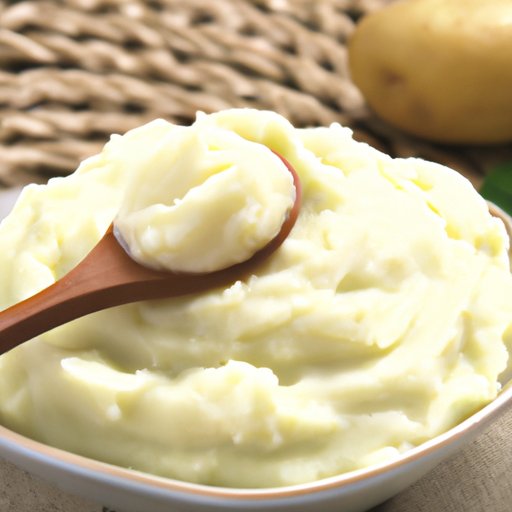
Potatoes are an excellent source of vitamins and minerals, including vitamin C, potassium, and magnesium. They also contain a variety of B vitamins, such as thiamin, riboflavin, niacin, and folate. According to the USDA National Nutrient Database, one cup of mashed potatoes contains about 168 calories, 4 grams of protein, and 37 grams of carbohydrates.
In addition to being a good source of vitamins and minerals, mashed potatoes have several other health benefits. For example, potatoes are low in fat and cholesterol, making them a healthier alternative to other high-fat side dishes like French fries. Furthermore, potatoes are a good source of dietary fiber, which helps to keep you feeling full and can help prevent constipation.
How to Make Healthy Mashed Potatoes
It’s important to remember that not all mashed potatoes are created equal. To make sure you’re getting the most nutritional benefit out of your mashed potatoes, it’s important to choose the right type of potato. Russet potatoes are higher in starch and lower in moisture, making them ideal for mashing. Avoid using waxy potatoes, such as red or white potatoes, as they don’t mash as well.
When making mashed potatoes, it’s also important to choose healthy ingredients. Instead of using butter, try substituting plain Greek yogurt or olive oil instead. Additionally, opt for skim or low-fat milk instead of whole milk or cream. Finally, avoid adding too much salt or sugar to your mashed potatoes, as these can add unnecessary calories and sodium to the dish.
The Health Risks of Eating Too Much Mashed Potato
Although mashed potatoes can be a nutritious side dish, it’s important to remember that they are still high in calories. One cup of mashed potatoes contains about 168 calories, which can add up quickly if you’re not careful. Eating too many mashed potatoes can lead to weight gain, which can increase your risk of developing chronic diseases such as heart disease and diabetes.
Exploring the Different Types of Mashed Potatoes
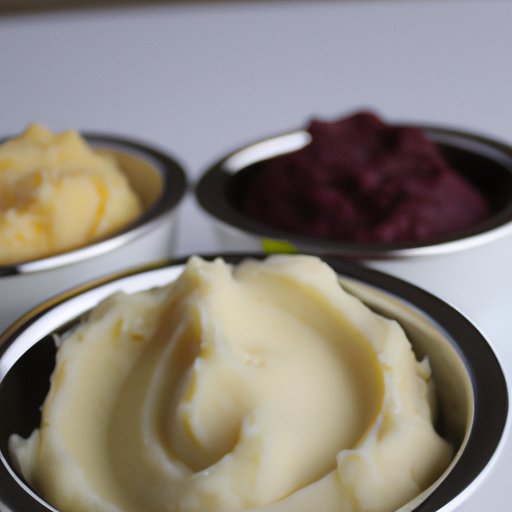
There are many different types of mashed potatoes available on the market today. Instant mashed potatoes are pre-made and typically come in powdered form. These are convenient, but they can be high in sodium and contain added preservatives. Creamy mashed potatoes are made with whole milk, cream, and butter, making them higher in fat and calories than other types of mashed potatoes. Low-fat mashed potatoes are a healthier option, as they are usually made with skim or low-fat milk, and often contain fewer calories than their creamy counterparts. Mashed sweet potatoes are another tasty option, as they are naturally sweet and contain more nutrients than regular potatoes.
How to Use Mashed Potatoes in a Balanced Diet
Mashed potatoes can be a nutritious part of a balanced diet, but it’s important to practice portion control. Try replacing unhealthy side dishes such as French fries or white rice with mashed potatoes. Additionally, make mashed potatoes a smaller part of meals and pair them with other nutrient-dense foods such as lean proteins and vegetables.
The Best Ways to Cook Mashed Potatoes
When preparing mashed potatoes, it’s best to boil them rather than bake them. Boiling allows the potatoes to absorb more water, resulting in a smoother texture. Additionally, you can add healthy ingredients such as garlic, herbs, and spices to your mashed potatoes to give them extra flavor without adding too many calories.
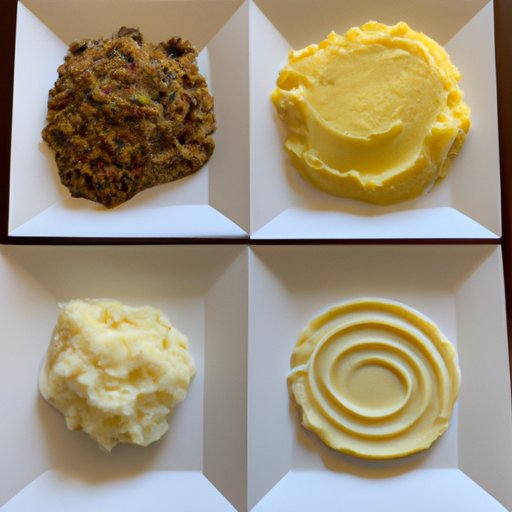
Comparing Mashed Potatoes to Other Popular Side Dishes
When compared to French fries, mashed potatoes are a healthier option. French fries are typically deep-fried, which adds extra fat and calories. Additionally, mashed potatoes contain more fiber than French fries, making them more filling and satisfying.
When compared to white rice, mashed potatoes are a better choice nutritionally. White rice is mostly composed of simple carbohydrates, while mashed potatoes contain more complex carbohydrates and fiber. Additionally, mashed potatoes contain more vitamins and minerals than white rice.
Mashed potatoes can also be a healthier alternative to other root vegetables such as carrots or parsnips. Root vegetables tend to be higher in sugar, so mashed potatoes are a better choice for those looking to keep their sugar intake low. Furthermore, mashed potatoes contain more vitamins and minerals than most root vegetables.
Conclusion
Mashed potatoes can be a nutritious and delicious side dish when prepared correctly. They are a good source of vitamins and minerals, and can be a healthier alternative to other high-fat side dishes such as French fries. However, it’s important to remember that mashed potatoes are still high in calories, so it’s important to practice portion control when eating them. By following these tips and exploring the different types of mashed potatoes available, you can make mashed potatoes a part of a balanced diet.
(Note: Is this article not meeting your expectations? Do you have knowledge or insights to share? Unlock new opportunities and expand your reach by joining our authors team. Click Registration to join us and share your expertise with our readers.)