
Introduction
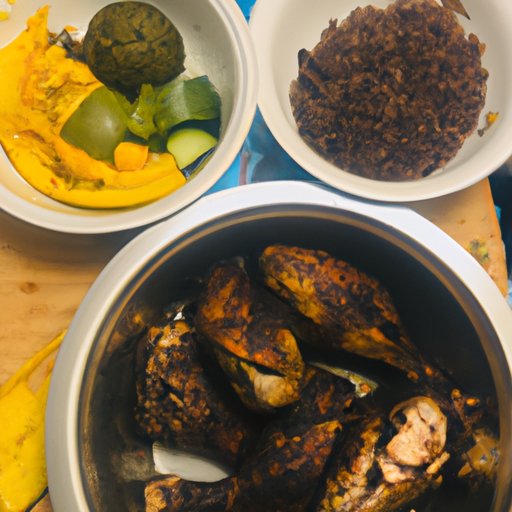
Jerk chicken is a popular Caribbean dish made by marinating chicken in a blend of spices, such as allspice, garlic, thyme, scallions, and peppers. The chicken is then grilled or slow-cooked over wood or charcoal. Jerk chicken is known for its smoky flavor and spicy kick. But what about its nutritional profile? Is jerk chicken healthy? In this article, we will explore the health benefits of jerk chicken, as well as tips for making healthier versions of this delicious dish.
Exploring the Health Benefits of Jerk Chicken
When it comes to nutrition, jerk chicken can be a nutritious choice. According to the U.S. Department of Agriculture (USDA), a 3-ounce serving of grilled jerk chicken contains approximately 150 calories, 4 grams of fat, and 25 grams of protein.
In addition to its protein content, jerk chicken is also rich in vitamins and minerals. A single serving of jerk chicken provides 10% of the daily recommended value of iron, 6% of calcium, and 8% of vitamin C. It also contains small amounts of magnesium, phosphorus, potassium, and zinc.
Is Eating Jerk Chicken Good For You?
The question of whether jerk chicken is good for you really depends on how it is prepared. While jerk chicken can be a nutritious choice, it can also be high in sodium, saturated fat, and other unhealthy ingredients. For instance, many recipes call for adding sugar to the marinade, which adds extra calories and sugar to the dish.
It’s important to understand the nutritional value of jerk chicken in order to make an informed decision about whether or not it’s a healthy food choice. For instance, while jerk chicken is considered a lean protein source, it does contain some saturated fat, which can increase your risk of heart disease if consumed in excess. Additionally, jerk chicken can be high in sodium due to the use of salt or seasoning mixes in the marinade.

A Guide to Eating Healthy Jerk Chicken
If you’re looking to enjoy the flavor of jerk chicken without compromising your health, there are several steps you can take to make it a healthier option.
First, opt for skinless chicken breasts when making jerk chicken. This will reduce the amount of fat and cholesterol in the dish. Additionally, use olive oil or coconut oil instead of butter or margarine when preparing the marinade. This will help keep saturated fat levels down. Finally, opt for low-sodium seasonings and sauces to limit your intake of sodium.
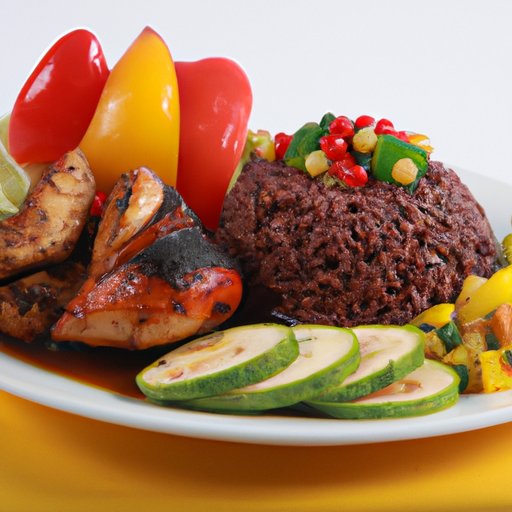
When selecting side dishes to accompany your jerk chicken, opt for nutrient-dense options such as leafy greens, sweet potatoes, quinoa, or brown rice. These sides will provide additional vitamins, minerals, and fiber to your meal.
Conclusion
Jerk chicken can be a tasty and nutritious way to enjoy lean protein. When prepared correctly, it can provide a variety of essential nutrients, including protein, iron, calcium, and vitamin C. However, it is important to pay attention to the ingredients used in the marinade, as well as accompaniments, in order to ensure that your meal is as healthy as possible. By following the tips outlined above, you can enjoy jerk chicken in a healthier way.
Final Thoughts on Eating Jerk Chicken
Jerk chicken can be a flavorful and nutritious addition to any meal. While it is important to be mindful of the ingredients used when preparing jerk chicken, it can be a healthy choice when eaten in moderation. With the right combination of ingredients and accompaniments, you can enjoy jerk chicken without compromising your health.
(Note: Is this article not meeting your expectations? Do you have knowledge or insights to share? Unlock new opportunities and expand your reach by joining our authors team. Click Registration to join us and share your expertise with our readers.)