
Introduction
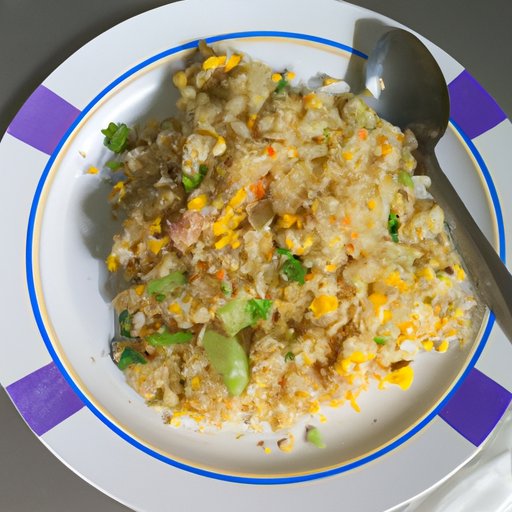
Fried rice is a beloved dish around the world. It’s a staple in many Asian cuisines and has become a popular option for takeout and home cooking alike. But when it comes to health, is fried rice really all that good for you? In this article, we’ll explore the nutritional benefits and risks of eating fried rice and discover healthier alternatives.
What is Fried Rice?
Fried rice is a dish made by stir-frying cooked rice with other ingredients such as vegetables, meats, eggs, and sauces. It is typically seasoned with soy sauce, sesame oil, or oyster sauce, and can be served as a side dish or main course. Depending on the region, fried rice can vary greatly in terms of ingredients and flavor.
Overview of the Nutritional Benefits and Risks
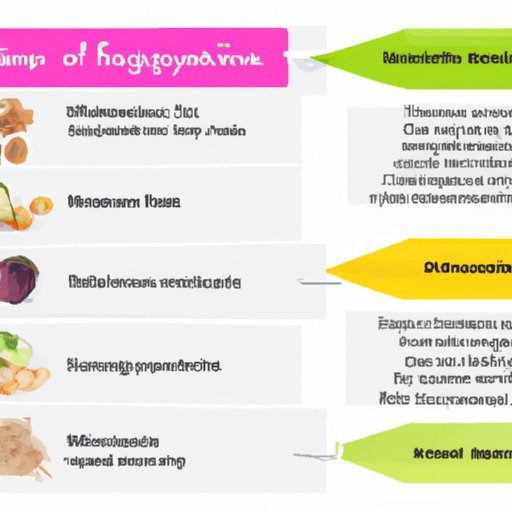
Fried rice is high in calories and carbohydrates, which can lead to weight gain if consumed in excess. It also contains a significant amount of sodium, which can increase blood pressure and the risk of heart disease. On the other hand, fried rice can provide some essential nutrients, including protein, fiber, vitamins, and minerals.
Examining the Nutritional Benefits of Fried Rice
Fried rice can provide several essential nutrients that are important for overall health. Here’s a closer look at the nutritional benefits of fried rice:
Protein Content
Fried rice can be a good source of protein, depending on the ingredients used. For example, adding chicken, shrimp, or tofu can increase the protein content of fried rice. According to a study published in the Journal of Food Composition and Analysis, a single serving of fried rice can provide up to 18 grams of protein.1
Fiber Content
Fried rice can be a good source of dietary fiber, which is important for maintaining a healthy digestive system. Fiber helps promote regular bowel movements, reduce cholesterol levels, and control blood sugar levels. According to the same study, a single serving of fried rice can provide up to 4 grams of dietary fiber.1
Carbohydrates
Fried rice is high in carbohydrates, which can provide energy and fuel the body. According to the study, a single serving of fried rice can provide up to 50 grams of carbohydrates.1 However, it’s important to keep in mind that fried rice is considered a “high glycemic index” food, meaning it can cause a rapid rise in blood sugar levels after consumption.
Vitamins and Minerals
Fried rice can also provide several essential vitamins and minerals, including iron, magnesium, phosphorus, and zinc. The exact amount of vitamins and minerals in fried rice will depend on the ingredients used. For example, adding vegetables such as carrots, broccoli, and bell peppers can increase the vitamin and mineral content of the dish.
A Look at the Pros and Cons of Eating Fried Rice
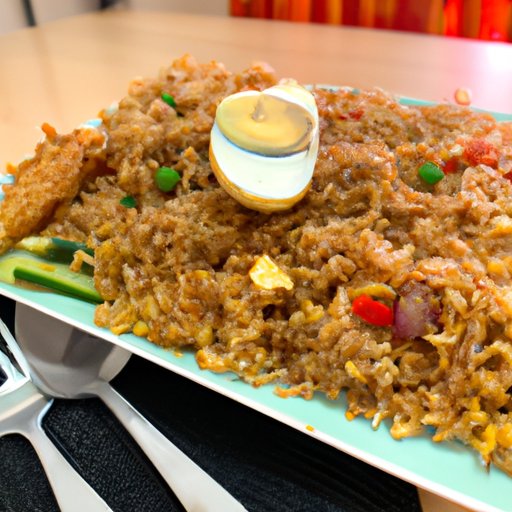
Overall, fried rice can be a part of a balanced diet when eaten in moderation. However, there are both pros and cons to consider when deciding whether or not to include fried rice in your meal plan.
Pros
Fried rice can provide several essential nutrients, including protein, fiber, vitamins, and minerals. It’s also a convenient and affordable dish that can be whipped up quickly with whatever ingredients you have on hand. Plus, it tastes great!
Cons
Fried rice is high in calories and carbohydrates, which can lead to weight gain if consumed in excess. It also contains a significant amount of sodium, which can increase blood pressure and the risk of heart disease. Additionally, fried rice is considered a “high glycemic index” food, meaning it can cause a rapid rise in blood sugar levels after consumption.
Exploring the Health Impact of Fried Rice in Different Cuisines
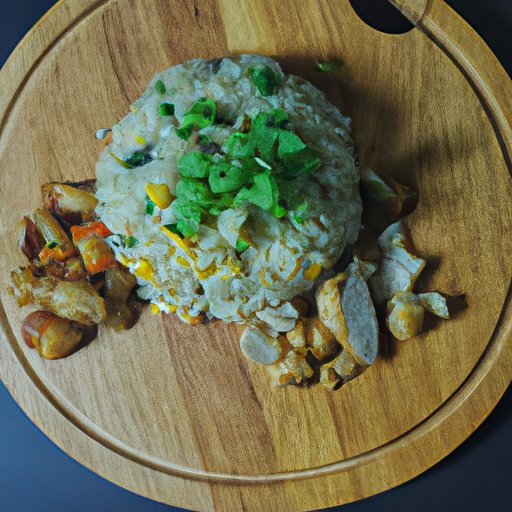
Fried rice is a popular dish in many different cuisines, and each version has its own unique flavors and ingredients. Here’s a closer look at the health impact of fried rice in three popular cuisines:
Chinese Fried Rice
Chinese fried rice is typically made with cooked white rice, soy sauce, vegetables, and meat or seafood. It can be a nutritious and balanced meal when eaten in moderation. However, it is often cooked in large amounts of oil and butter, which can add extra calories and saturated fat.
Japanese Fried Rice
Japanese fried rice is usually made with cooked white or brown rice, vegetables, and fish or seafood. It’s usually cooked with less oil than Chinese fried rice, making it a healthier option. Additionally, the use of fish or seafood provides an excellent source of lean protein and omega-3 fatty acids.
Indian Fried Rice
Indian fried rice is typically made with cooked basmati rice, vegetables, spices, and ghee (clarified butter). Ghee is high in saturated fat, so Indian fried rice should be enjoyed in moderation. Additionally, the use of spices can add a significant amount of sodium to the dish.
Discovering the Healthier Alternatives to Fried Rice
If you’re looking for a healthier alternative to fried rice, here are a few options to consider:
Brown Rice
Brown rice is a whole grain, meaning it contains all of the grain’s original nutrients, including fiber, vitamins, and minerals. It’s also lower in calories and carbohydrates than white rice, making it a healthier option.
Quinoa
Quinoa is a pseudo-cereal that is high in protein, fiber, vitamins, and minerals. It’s also gluten-free, making it a great option for those with gluten sensitivities or allergies. Quinoa can be used as a substitute for rice in many dishes, including fried rice.
Cauliflower Rice
Cauliflower rice is a low-carb, gluten-free alternative to traditional rice. It’s made by grating cauliflower into small pieces, which can then be cooked and used as a substitute for rice. Cauliflower rice is a great way to add more vegetables to your diet without sacrificing flavor.
Investigating the Role of Fried Rice in a Balanced Diet
Fried rice can be part of a balanced diet when eaten in moderation. Here are a few strategies and tips for incorporating fried rice into your diet in a healthier way:
Strategies for Incorporating Fried Rice into your Diet
- Choose brown rice instead of white rice.
- Add plenty of vegetables for added fiber and vitamins.
- Use lean proteins such as chicken, shrimp, or tofu.
- Limit the amount of oil and butter used.
- Try using healthier alternatives such as quinoa or cauliflower rice.
Tips for Eating Healthier Fried Rice
- Opt for steamed or boiled rice instead of fried rice.
- Choose low-sodium soy sauce or tamari.
- Cut back on the amount of salt used in the dish.
- Avoid adding processed meats such as bacon or sausage.
- Avoid adding sugary sauces or condiments.
Conclusion
Fried rice can be a nutritious and delicious part of a balanced diet when eaten in moderation. While it can provide some essential nutrients, it’s important to remember that it’s high in calories and carbohydrates and can contain a significant amount of sodium. To make fried rice a healthier option, try using brown rice, adding plenty of vegetables, using lean proteins, and limiting the amount of oil and butter used. Additionally, consider trying healthier alternatives such as quinoa or cauliflower rice.
(Note: Is this article not meeting your expectations? Do you have knowledge or insights to share? Unlock new opportunities and expand your reach by joining our authors team. Click Registration to join us and share your expertise with our readers.)