
Introduction
Corn is one of the most widely consumed vegetables in the world. But is it really healthy for us? In this article, we’ll explore the nutritional benefits of eating corn, compare it to other vegetables, and discuss how to incorporate it into a healthy diet.
Exploring the Nutritional Benefits of Corn
Corn is an excellent source of essential vitamins and minerals that are important for overall health. It contains vitamins A, B-complex, C, E, and K, as well as magnesium, phosphorus, zinc, iron, and selenium. It is also a good source of dietary fiber, which helps keep you feeling full and can help lower cholesterol levels.
The health benefits of eating corn include improved digestion, reduced risk of certain cancers, better heart health, and stronger bones. Corn is also high in antioxidants, which can help protect the body from oxidative damage caused by free radicals. Additionally, studies have shown that consuming whole grains such as corn may reduce the risk of type 2 diabetes.

Comparing the Health Benefits of Corn to Other Vegetables
When it comes to nutrient content, corn is not the only vegetable that offers health benefits. Common vegetables such as broccoli, cauliflower, kale, spinach, sweet potatoes, and tomatoes are all excellent sources of vitamins, minerals, and dietary fiber. They also contain antioxidants, which can help fight off diseases and improve overall health.
In terms of health benefits, many vegetables offer similar benefits to those of corn. For example, cruciferous vegetables like broccoli and cauliflower are linked to a reduced risk of cancer; dark leafy greens like kale and spinach are high in calcium, which is important for bone health; and sweet potatoes are high in beta carotene, which can help protect against vision loss.

How to Incorporate Corn into a Healthy Diet
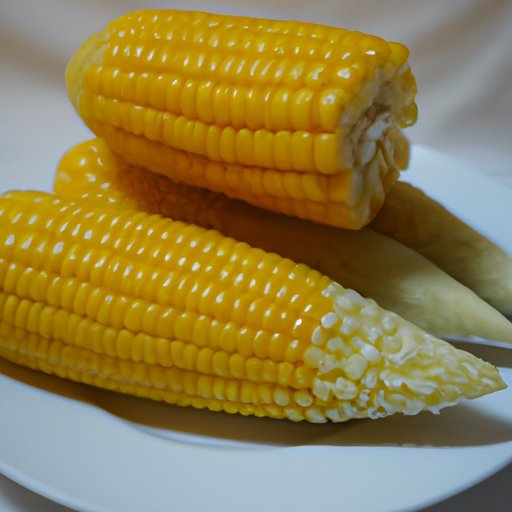
If you want to reap the health benefits of eating corn, there are many ways to include it in your meals. Fresh or frozen corn can be cooked and served as a side dish, added to salads, soups, and stir-fries, or used as an ingredient in baked goods. Cornmeal can also be used to make cornbread, muffins, and pancakes.
When preparing and cooking corn, it’s important to remember that some of its nutrients can be lost if it is overcooked. To preserve its nutritional value, try to cook it for the shortest amount of time possible. You can also add a little olive oil or butter to enhance its flavor.

The Pros and Cons of Eating Corn
Like any food, corn has both potential health benefits and possible risks associated with it. On the plus side, eating corn can provide numerous nutrients that are essential for good health, including vitamins, minerals, and dietary fiber. It also contains antioxidants, which can help protect against disease.
On the downside, corn is high in carbohydrates and calories, so it should be eaten in moderation. Additionally, some studies have suggested that eating too much corn may increase the risk of certain types of cancers. It is also important to note that corn is often genetically modified, which may pose health risks.
Is Corn Really as Unhealthy as People Think?
Despite its reputation as an unhealthy food, research suggests that eating corn in moderation can be beneficial for your health. A study published in the journal Nutrition & Metabolism found that eating corn was associated with a reduced risk of cardiovascular disease and stroke. Another study found that consuming whole grains like corn may reduce the risk of type 2 diabetes.
However, it is important to remember that these findings are based on observational studies, which cannot prove cause and effect. More research is needed to determine the exact health effects of eating corn.
Conclusion
Overall, corn can be a nutritious addition to your diet when eaten in moderation. It is an excellent source of essential vitamins and minerals and has been linked to a number of health benefits, including improved digestion, reduced risk of certain cancers, better heart health, and stronger bones. Additionally, eating whole grains like corn may reduce the risk of type 2 diabetes.
When incorporating corn into your diet, it’s important to remember to cook it properly to preserve its nutritional value. Additionally, it’s important to be aware of the potential risks associated with eating too much corn, such as increased risk of certain cancers and potential health risks associated with genetically modified corn.
By taking these factors into consideration, you can enjoy the health benefits of eating corn without compromising your health.
(Note: Is this article not meeting your expectations? Do you have knowledge or insights to share? Unlock new opportunities and expand your reach by joining our authors team. Click Registration to join us and share your expertise with our readers.)