
Introduction
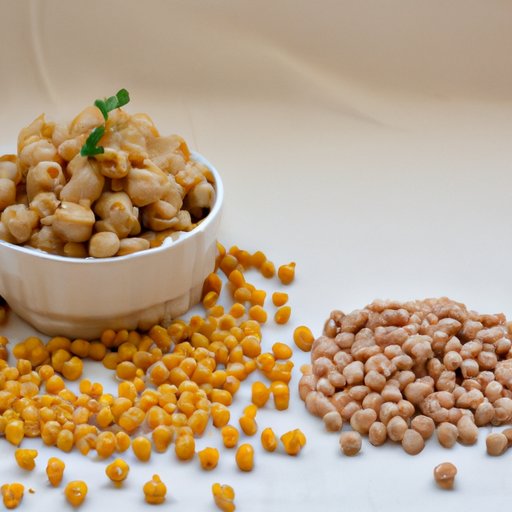
Chickpea pasta has become a popular alternative to traditional wheat-based pasta in recent years. But is it really healthier than regular pasta? This article will explore the health benefits of chickpea pasta and provide an in-depth analysis of the nutritional value of this increasingly popular dish. We’ll also compare chickpea pasta to other types of pasta to determine which is the healthiest option.
Examining the Nutritional Value of Chickpea Pasta
Before we dive into the health benefits of chickpea pasta, let’s first look at its nutritional value. According to the USDA National Nutrient Database, one cup of cooked chickpea pasta contains:
- Protein: 12 grams
- Carbohydrates: 25 grams
- Fat: 2 grams
- Vitamins and minerals: Iron, calcium, vitamin B6, magnesium, phosphorus, potassium, zinc, folate, riboflavin, thiamin, niacin, and pantothenic acid
When compared to regular wheat-based pasta, chickpea pasta is higher in protein and lower in carbohydrates. It is also a good source of dietary fiber, which can help improve digestive health and reduce the risk of heart disease. Additionally, chickpea pasta is rich in vitamins and minerals, making it a nutritious and healthy alternative to traditional pasta.

Exploring the Health Benefits of Eating Chickpea Pasta
In addition to its high nutritional value, chickpea pasta offers several health benefits. Let’s take a closer look at some of the potential advantages of eating this type of pasta.
Improved Digestive Health
Chickpea pasta is high in dietary fiber, which is essential for maintaining a healthy digestive system. According to a study published in the journal Nutrients, “dietary fiber is associated with improved gut health, including reduced risk of constipation, diverticular disease, and colon cancer.” In addition, dietary fiber helps keep blood sugar levels stable, which can help prevent diabetes.
Lower Risk of Heart Disease
The fiber found in chickpea pasta may also help reduce the risk of heart disease. A study published in the journal Circulation found that increasing dietary fiber intake was associated with a lower risk of cardiovascular disease. The study concluded that “increasing dietary fiber intake may be an effective way to reduce the risk of cardiovascular disease.”
Reduced Risk of Diabetes
Chickpea pasta is also a good choice for those who are trying to reduce their risk of developing diabetes. A study published in the journal Diabetes Care found that individuals who ate a high-fiber diet had a lower risk of developing type 2 diabetes. The study concluded that “high-fiber diets may be beneficial for reducing the risk of type 2 diabetes.”
Weight Loss Benefits
Chickpea pasta is also a great option for those looking to lose weight. The high fiber content helps keep you feeling full longer, which can lead to fewer calories consumed throughout the day. Additionally, the protein in chickpea pasta can help increase metabolism, which can also aid in weight loss.

Comparing the Health Benefits of Chickpea Pasta to Other Types of Pasta
Now that we’ve explored the health benefits of chickpea pasta, let’s take a look at how it compares to other types of pasta. Here are three common types of pasta and how they stack up against chickpea pasta.
Whole-Wheat vs. Chickpea
Whole-wheat pasta is often considered to be the healthier option when compared to regular wheat-based pasta. While both types of pasta are made from wheat, whole-wheat pasta is made from whole grains, which means it contains more fiber and other nutrients. However, chickpea pasta still offers more protein and fewer carbohydrates than whole-wheat pasta, making it a better choice for those looking to manage their weight or reduce their risk of developing diabetes.
Gluten-Free vs. Chickpea
Gluten-free pasta is another popular alternative to regular wheat-based pasta. While it is a good option for those with gluten sensitivity or celiac disease, it typically lacks the nutritional value that chickpea pasta provides. Gluten-free pasta is usually made from rice flour or cornstarch, which do not offer the same amount of protein, fiber, and vitamins and minerals as chickpea pasta.
Rice vs. Chickpea
Rice pasta is another common alternative to wheat-based pasta. Rice pasta is usually made from white rice, which does not contain as much fiber or protein as chickpea pasta. Additionally, white rice is a processed food, which means it lacks many of the vitamins and minerals found in chickpea pasta.
Analyzing the Pros and Cons of Eating Chickpea Pasta
As with any food, there are pros and cons to eating chickpea pasta. Let’s take a look at some of the advantages and disadvantages of adding this type of pasta to your diet.
Pros
- High in protein, fiber, and vitamins and minerals
- Low in carbohydrates
- Can help improve digestive health
- May reduce the risk of heart disease and diabetes
- Can aid in weight loss
Cons
- More expensive than regular wheat-based pasta
- Some people may have difficulty digesting chickpeas
- May cause bloating or gas in some individuals
Investigating the Impact of Eating Chickpea Pasta on Your Diet
In addition to its health benefits, chickpea pasta can also help you maintain a healthy diet. Here’s what you need to know about the impact of adding this type of pasta to your diet.
Calorie Intake
One cup of cooked chickpea pasta contains approximately 200 calories, which is slightly less than one cup of regular wheat-based pasta. Therefore, substituting chickpea pasta for regular pasta can help you cut back on calories without sacrificing flavor.
Macronutrients
Chickpea pasta is a good source of protein and fiber, and it is low in carbohydrates. This makes it an ideal option for those looking to maintain a balanced diet. Additionally, the protein in chickpea pasta can help keep you feeling full longer, which can help you avoid overeating.
Dietary Fiber
As mentioned earlier, chickpea pasta is high in dietary fiber, which is essential for maintaining a healthy digestive system. In addition to improving digestive health, dietary fiber can also help reduce cholesterol levels, lower blood pressure, and regulate blood sugar levels.

Examining the Popularity of Chickpea Pasta Around the World
Chickpea pasta has gained popularity around the world in recent years. Here’s a look at how this type of pasta is being embraced in different countries.
United States
In the United States, chickpea pasta has become increasingly popular among health-conscious consumers. According to a report by market research firm Euromonitor International, sales of chickpea pasta grew by 16% between 2017 and 2018, making it one of the fastest-growing categories in the US pasta market.
Europe
In Europe, chickpea pasta is becoming more widely available. According to a report by market research firm Mintel, sales of chickpea pasta increased by 19% between 2016 and 2018 in the UK alone. The report also noted that chickpea pasta is becoming increasingly popular as an alternative to traditional wheat-based pasta.
Asia
In Asia, chickpea pasta is gaining traction as a healthier alternative to traditional wheat-based pasta. According to a report by market research firm Nielsen, sales of chickpea pasta in South Korea have grown by over 50% in the past year. As awareness of the health benefits of chickpea pasta continues to grow, it is likely that its popularity in Asia will continue to rise.
Conclusion
Chickpea pasta is a healthy alternative to traditional wheat-based pasta. It is high in protein, fiber, and vitamins and minerals, and it is low in carbohydrates. It can help improve digestive health, reduce the risk of heart disease and diabetes, and aid in weight loss. Additionally, it is becoming increasingly popular around the world. All in all, it is clear that chickpea pasta is a healthy and nutritious option for those looking to improve their diets.
(Note: Is this article not meeting your expectations? Do you have knowledge or insights to share? Unlock new opportunities and expand your reach by joining our authors team. Click Registration to join us and share your expertise with our readers.)