

Introduction
Cheese is a popular food that has been enjoyed around the world for centuries. It is a nutritious source of protein and essential vitamins and minerals, and it can be incorporated into a variety of dishes or eaten on its own. While cheese can provide many health benefits, there are also some potential risks associated with eating too much cheese. This article will explore the pros and cons of eating cheese and provide tips on how to incorporate it into a healthy diet.
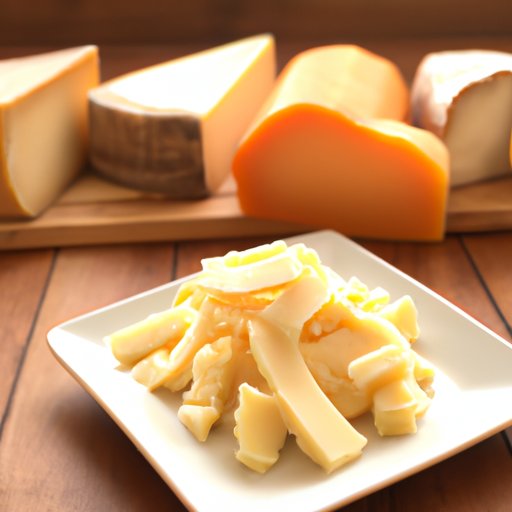
Exploring the Benefits and Risks of Eating Cheese
Cheese is a nutrient-dense food that is high in protein, calcium, phosphorus, and other essential vitamins and minerals. Different types of cheese have different nutritional content, so it is important to consider the type of cheese you are consuming when looking at its nutritional value. For example, cheddar cheese is higher in fat and calories than feta cheese, while goat cheese is lower in fat and calories than ricotta cheese.
In addition to providing essential nutrients, cheese can also offer some potential health benefits. Studies have shown that consuming full-fat dairy products, including cheese, may reduce the risk of developing type 2 diabetes and metabolic syndrome (1). Cheese is also a source of conjugated linoleic acid (CLA), which is a fatty acid found in animal products that may help reduce inflammation and improve heart health (2).
While cheese can provide some potential health benefits, it is important to note that it can also pose some risks when consumed in large quantities. Cheese is high in saturated fat, which can increase the risk of heart disease if consumed in excess (3). Additionally, cheese is often high in sodium, which can lead to high blood pressure and an increased risk of stroke if consumed in large amounts (4).
Is Cheese Part of a Healthy Diet?
The Dietary Guidelines for Americans recommends that adults consume no more than two to three servings of dairy per day (5). A serving of cheese is considered to be one ounce, which is equivalent to about one slice or two tablespoons of shredded cheese (6). When incorporating cheese into your diet, it is important to choose low-fat or reduced-fat varieties, as these contain less saturated fat and fewer calories than full-fat cheeses.
It is also important to consider the other foods you are consuming when deciding how much cheese to eat. Cheese is often used as an ingredient in dishes such as pizza, lasagna, and macaroni and cheese, which can be high in calories and fat. If you are eating these dishes regularly, you may want to limit your cheese intake or opt for lower-fat varieties of cheese.
How Much Cheese Should You Eat?
When determining how much cheese to eat, it is important to consider your overall dietary needs and goals. If you are trying to lose weight or maintain a healthy weight, you may want to limit your cheese intake to one or two servings per day. If you are looking to increase your intake of essential vitamins and minerals, you may want to consume two to three servings of cheese each day.
It is also important to keep in mind that certain types of cheese can be higher in fat and calories than others. For example, blue cheese and feta cheese are higher in fat and calories than cottage cheese or mozzarella cheese. When choosing which type of cheese to consume, opt for lower-fat varieties whenever possible.
Finally, it is important to remember that moderation is key when it comes to cheese consumption. Try to enjoy cheese in small amounts, rather than relying on it as a main source of nutrition. Additionally, opt for healthier accompaniments to cheese, such as fruits and vegetables, rather than processed snacks.

Examining Dairy Alternatives to Cheese
If you are looking for a dairy-free alternative to cheese, there are several options available. Nutritional yeast, tofu, and vegan cheeses made from nuts, seeds, and plant-based milks are all viable options. These cheese substitutes are typically lower in fat and calories than traditional cheeses, but they may not provide the same flavor or texture as real cheese.
When choosing a dairy-free cheese substitute, it is important to read the label to make sure it is free of added sugars and preservatives. Additionally, some vegan cheeses may be fortified with additional vitamins and minerals, which can be beneficial for those who are avoiding dairy. However, it is important to note that some vegan cheese substitutes may be higher in sodium than traditional cheeses, so it is important to read the label to ensure that it meets your dietary needs and goals.
Investigating the Connection Between Cheese and Heart Health
Several studies have examined the relationship between cheese consumption and cardiovascular health. A recent meta-analysis of 11 studies found that consuming full-fat dairy products, including cheese, was not associated with an increased risk of coronary heart disease or stroke (7). In fact, the study found that consuming full-fat dairy products may even have a protective effect against cardiovascular disease.
It is important to note, however, that the study did not differentiate between types of cheese. Therefore, it is still important to limit your intake of cheese, particularly high-fat varieties, to reduce your risk of heart disease. Additionally, it is important to remember that other lifestyle factors, such as exercising regularly and not smoking, are also important for maintaining heart health.
Analyzing the Pros and Cons of Eating Cheese
Overall, cheese can be a nutritious addition to a balanced diet. It is a source of essential vitamins and minerals and may even provide some potential health benefits. However, it is important to remember that cheese is high in fat and calories, so it should be consumed in moderation. Additionally, it is important to read labels to ensure that you are choosing lower-fat varieties of cheese and avoiding added sugars and preservatives.
When incorporating cheese into your diet, it is important to focus on balance. Enjoy cheese in small amounts, pair it with nutritious accompaniments, and opt for lower-fat varieties whenever possible. Additionally, if you are avoiding dairy, there are several dairy-free cheese substitutes available that can provide the same creamy texture and flavor without the added fat and calories.
Conclusion
In conclusion, cheese can be a nutritious and tasty addition to a balanced diet. It is a source of essential vitamins and minerals, and it can provide some potential health benefits. However, it is important to remember that cheese is high in fat and calories and should be consumed in moderation. Additionally, it is important to read labels to ensure that you are choosing lower-fat varieties of cheese and avoiding added sugars and preservatives. When incorporating cheese into your diet, focus on balance and moderation to reap the potential benefits while minimizing the potential risks.
(Note: Is this article not meeting your expectations? Do you have knowledge or insights to share? Unlock new opportunities and expand your reach by joining our authors team. Click Registration to join us and share your expertise with our readers.)