
Introduction
Acai berries have become incredibly popular in recent years for their touted health benefits. But what exactly are acai berries, and are they really as healthy as we’ve been led to believe? In this article, we’ll explore the nutritional breakdown, potential health benefits, and how to incorporate acai into your diet.
Overview of Acai Berries
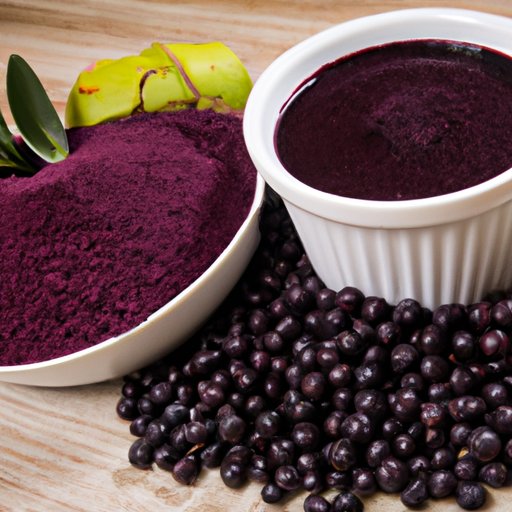
Acai (pronounced ah-sigh-ee) berries are small, dark purple fruits native to Central and South America. They grow on acai palm trees and have a sweet, tart flavor that is often compared to a mix of wild berries and chocolate. Acai berries have been used for centuries by indigenous peoples in the Amazon region for their medicinal properties.
Benefits of Acai Berries
Acai berries are considered a “superfood” due to their high antioxidant content. Antioxidants help protect the body from damage caused by free radicals, which can lead to chronic diseases like cancer and heart disease. Acai berries are also a good source of fiber, vitamins A and C, and minerals like iron and calcium.
Exploring the Health Benefits of Acai Berries
Let’s take a closer look at the nutritional breakdown of acai berries and the potential health benefits of consuming them.

Nutritional Breakdown of Acai Berries
According to the U.S. Department of Agriculture, one cup (140 grams) of acai berries contains:
- Calories: 70
- Fat: 2.3 g
- Carbohydrates: 11.3 g
- Fiber: 7.6 g
- Protein: 1.4 g
- Vitamin A: 4% of the RDI
- Vitamin C: 8% of the RDI
- Calcium: 1% of the RDI
- Iron: 5% of the RDI
In addition to these nutrients, acai berries are also a rich source of polyphenols, plant compounds that act as antioxidants. One study found that the polyphenol content of acai berries was comparable to cranberries and blueberries, two other well-known sources of antioxidants.
Power of Antioxidants Found in Acai
The antioxidants found in acai berries may have numerous health benefits. Studies have linked antioxidant-rich diets to a lower risk of certain cancers, heart disease, and dementia. Additionally, antioxidants can help reduce inflammation, which has been linked to numerous chronic health conditions.
A 2017 study published in the journal Nutrients found that acai extract had a positive effect on cholesterol levels. The study involved 34 participants who were given either a placebo or acai extract for eight weeks. At the end of the study, those who took acai extract saw a significant decrease in total cholesterol and LDL (bad) cholesterol levels.
While there is still much research to be done on the health benefits of acai berries, the existing evidence suggests that acai berries are a nutritious and beneficial addition to any diet.
How to Incorporate Acai into Your Diet
Now that you know the potential health benefits of acai berries, let’s look at some ways to incorporate them into your diet. Acai berries can be purchased fresh, frozen, or freeze-dried in most health food stores. You can also find acai products such as juices, powders, and supplements. Here are some delicious recipes to get you started:
- Acai Smoothie Bowl: Blend frozen acai berries with banana, almond milk, and honey or agave syrup. Serve topped with granola, coconut flakes, and fresh fruit.
- Acai Banana Oatmeal: Cook oats according to package instructions and stir in mashed banana and acai powder. Top with fresh fruit and nuts.
- Acai Yogurt Parfait: Layer plain Greek yogurt with frozen acai berries and granola. Drizzle with honey or agave syrup.

Potential Side Effects of Consuming Acai
Despite their potential health benefits, acai berries can have some side effects. Acai berries contain high levels of oxalates, which can increase the risk of kidney stones in people prone to developing them. Additionally, some people may experience an allergic reaction to acai berries, so it’s best to introduce them into your diet slowly and watch for any adverse reactions.

Comparing Acai to Other Superfruits
Acai berries are often compared to other popular superfruits such as blueberries, cranberries, and pomegranates. While all of these fruits have high levels of antioxidants, they each have unique nutritional profiles and offer different health benefits. Here’s a quick comparison of the four fruits:
Comparison of Benefits
Acai berries have more fiber than any of the other fruits, while blueberries have the highest amount of vitamin C. Cranberries are a good source of manganese and pomegranates are a great source of potassium. All four fruits are rich in antioxidants, but acai berries contain the highest levels of polyphenols.
Comparison of Taste
When it comes to taste, everyone has their own preference. Acai berries have a sweet, tart flavor that is often compared to a mix of wild berries and chocolate. Blueberries are naturally sweet, while cranberries have a tart flavor. Pomegranates have a sweet-tart flavor with a hint of citrus.
Conclusion
Acai berries are a powerful superfood packed with antioxidants and other valuable nutrients. Studies suggest that consuming acai berries may help reduce inflammation, improve cholesterol levels, and protect against chronic diseases. Acai berries can be enjoyed fresh, frozen, dried, or in juices, powders, and supplements. Be sure to introduce acai slowly into your diet and watch for any adverse reactions.
Summary of Benefits of Acai Berries
To summarize, acai berries are a nutrient-rich superfood with numerous potential health benefits. They are high in antioxidants, fiber, vitamins A and C, and minerals like iron and calcium. Studies suggest that consuming acai berries may help reduce inflammation, improve cholesterol levels, and protect against chronic diseases.

Recommendations for Incorporating Acai into Your Diet
If you’re looking to add acai berries to your diet, try blending them into smoothies, adding them to oatmeal, or making a yogurt parfait. Acai berries can also be purchased fresh, frozen, or freeze-dried in most health food stores, or in juices, powders, and supplements. Just remember to introduce acai slowly into your diet and watch for any adverse reactions.
(Note: Is this article not meeting your expectations? Do you have knowledge or insights to share? Unlock new opportunities and expand your reach by joining our authors team. Click Registration to join us and share your expertise with our readers.)