
Introduction
Late-night eating is when someone consumes food or drinks after their usual bedtime. This can range from having a snack right before bed to getting up in the middle of the night to eat something. While it’s not necessarily bad to have a late-night snack once in a while, it can become an issue if it becomes a habit. Eating late at night can affect sleep quality, cause weight gain, and even increase risk of certain health conditions.
There are many reasons why people may eat late at night, such as stress, boredom, fatigue, cravings, or simply just being hungry. It’s important to identify the underlying cause of late-night eating in order to address it and find ways to stop it.
Ways to Stop Eating Late at Night
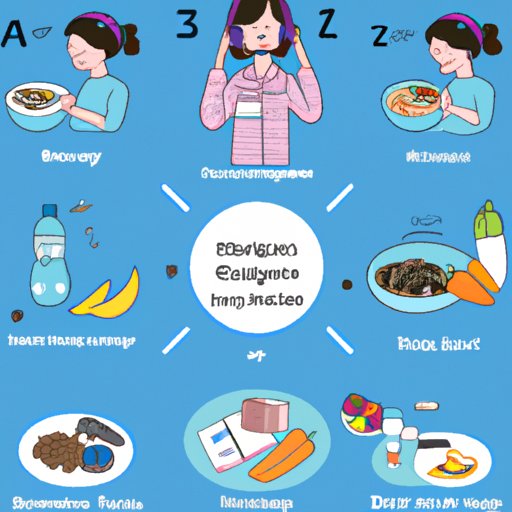
Here are some tips and strategies for how to stop eating late at night:
Eat a Balanced Dinner Earlier in the Evening
Eating a balanced dinner earlier in the evening can help reduce late-night snacking. A balanced meal should include protein, complex carbohydrates, and healthy fats. Eating a satisfying meal earlier in the evening can help keep hunger at bay later on.
Keep Healthy Snacks on Hand
Having healthy snacks on hand can be helpful for those times when you’re feeling hungry late at night. Try to opt for snacks that are high in fiber and protein, such as nuts, seeds, fruits, vegetables, or yogurt. These types of snacks will help you feel fuller longer and prevent you from overeating.
Drink Plenty of Water
Dehydration can sometimes make you feel hungrier than you actually are. Make sure to drink plenty of water throughout the day and avoid sugary beverages, which can cause blood sugar spikes and make you crave more food. If you’re feeling thirsty at night, try drinking a glass of water instead of reaching for a snack.
Find Other Activities to Do at Night
Finding other activities to do at night can help take your mind off food. Try reading a book, listening to music, doing a puzzle, or even taking a walk. Doing something engaging can help distract you from the urge to eat late at night.
Avoid Having Tempting Snacks in the House
Having tempting snacks in the house can make it difficult to resist the urge to eat late at night. Try to avoid buying processed snacks and unhealthy foods that you know you won’t be able to resist. Instead, stock up on healthier options such as fruits, vegetables, and nuts.
Avoid Triggers That May Lead to Late-Night Snacking
Identifying the triggers that may lead to late-night snacking can help you avoid them. For example, if you find yourself snacking at night when you’re feeling stressed or bored, try to find healthier ways to cope with those emotions, such as exercising, meditating, or talking to a friend.
Get Plenty of Sleep
Getting enough sleep can help reduce late-night cravings. Aim for 7-9 hours of sleep per night and establish a regular sleeping schedule. Avoid using screens close to bedtime, as this can disrupt your sleep and make you more likely to snack late at night.
Conclusion
Eating late at night can be a problem for many people. In order to stop late-night snacking, it’s important to identify the underlying cause and find ways to address it. Some tips and strategies for how to stop eating late at night include eating a balanced dinner earlier in the evening, keeping healthy snacks on hand, drinking plenty of water, finding other activities to do at night, avoiding having tempting snacks in the house, avoiding triggers that may lead to late-night snacking, and getting plenty of sleep.
If you’re still struggling with late-night eating, it’s a good idea to speak with a doctor or nutritionist to get help with developing a plan to address the issue.
(Note: Is this article not meeting your expectations? Do you have knowledge or insights to share? Unlock new opportunities and expand your reach by joining our authors team. Click Registration to join us and share your expertise with our readers.)