
Introduction
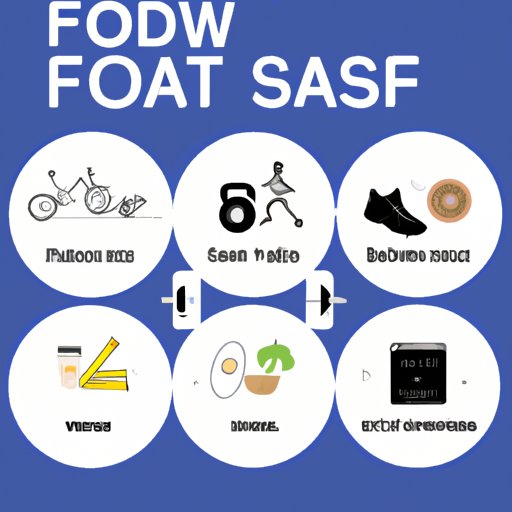
Losing fat can be a daunting task. Many people struggle to find the right balance between diet and exercise to reach their desired goals. This article will provide tips on how to start losing fat in a healthy way. We will discuss increasing protein intake, reducing calorie intake, increasing physical activity, reducing added sugar, increasing fiber intake, tracking food intake, and getting adequate sleep.
Increase Protein Intake
Protein is important for muscle growth and repair, as well as fat loss. Increasing your protein intake helps you maintain muscle mass while burning fat. Eating protein also keeps you feeling full longer, which can help with cravings and overeating.
Benefits of Increasing Protein Intake
Increasing your protein intake can help with fat loss in several ways. First, protein helps to build and maintain lean muscle mass, which boosts metabolism and helps burn fat. Second, protein helps to keep you feeling full, which can reduce cravings and overeating. Finally, protein can increase energy levels and improve mood, which can make it easier to stick to a diet and exercise plan.
Sources of Protein
There are many sources of protein that you can incorporate into your diet. These include lean meats such as chicken, fish, and turkey; eggs; dairy products such as milk, cheese, and yogurt; nuts and seeds; legumes such as beans and lentils; and plant-based proteins such as tofu and tempeh. Aim to get about 20-30 grams of protein per meal or snack.
Reduce Calorie Intake
Reducing your calorie intake is essential for fat loss. While it’s important to eat enough to fuel your body, eating too much can lead to weight gain. It’s important to find the right balance between eating enough to feel energized and eating too much.
Benefits of Reducing Calories
Reducing your calorie intake has several benefits. First, it helps you create a calorie deficit, which is necessary for fat loss. Second, it helps to control hunger and cravings, which can make it easier to stick to your diet. Finally, it can help boost energy levels, which can make it easier to stay active.
Ways to Reduce Calorie Intake
There are several ways to reduce your calorie intake. First, focus on eating whole, unprocessed foods such as fruits, vegetables, whole grains, lean proteins, and healthy fats. Second, limit or avoid sugary drinks such as soda, juice, and alcohol. Third, watch your portion sizes and avoid overeating. Finally, use smaller plates and bowls to help control your portions.
Increase Physical Activity
Increasing your physical activity is an important part of any fat loss plan. Exercise helps to boost metabolism, burn calories, and build muscle, which all contribute to fat loss. It’s important to find activities that you enjoy doing so that you’re more likely to stick with them.
Types of Exercise That Can Help With Fat Loss
There are many types of exercise that can help with fat loss. Cardio exercises such as walking, jogging, cycling, swimming, and aerobics are great for burning calories and helping with fat loss. Strength training exercises such as weightlifting and resistance training are also great for building muscle and boosting metabolism. Finally, HIIT (high intensity interval training) is a great way to burn calories and boost metabolism in a short amount of time.
Tips for Increasing Physical Activity
If you’re new to exercising, it’s important to start slow and gradually increase intensity over time. It’s also important to find activities that you enjoy doing. Additionally, setting realistic goals and tracking your progress can help keep you motivated. Finally, it’s important to remember to rest and recover between workouts to avoid burnout and injury.
Reduce Added Sugar
Added sugar is found in many processed and packaged foods and can add up quickly. Consuming too much added sugar can lead to weight gain and other health issues. Reducing your added sugar intake is an important step in any fat loss plan.
Benefits of Reducing Added Sugar
Reducing your added sugar intake has many benefits. First, it helps to reduce your overall calorie intake, which can help with fat loss. Second, it can help reduce cravings and overeating. Third, it can help improve energy levels and mood. Finally, it can help reduce your risk of certain diseases such as diabetes, heart disease, and obesity.
Ways to Reduce Added Sugar
There are several ways to reduce your added sugar intake. First, read nutrition labels and look for added sugars such as cane sugar, corn syrup, and honey. Second, avoid processed and packaged foods as much as possible. Third, opt for unsweetened versions of your favorite foods such as yogurt, cereal, and oatmeal. Fourth, choose fresh fruits instead of fruit juices and smoothies. Finally, add spices and herbs instead of sugar to enhance the flavor of your meals.
Increase Fiber Intake
Fiber is an important part of any diet. Eating adequate amounts of fiber can help with digestion, reduce cholesterol levels, and help you feel full longer. Increasing your fiber intake can help with fat loss.
Benefits of Increasing Fiber Intake
Increasing your fiber intake can have several benefits. First, it can help keep you feeling full longer, which can help reduce cravings and overeating. Second, it can help boost your metabolism and aid in fat loss. Third, it can help reduce your cholesterol levels and improve heart health. Finally, it can help lower your risk of certain diseases such as diabetes and cancer.
Sources of Fiber
There are many sources of fiber that you can incorporate into your diet. These include fruits, vegetables, whole grains, legumes, nuts, and seeds. Aim to get 25-35 grams of fiber per day.
Track Food Intake
Tracking your food intake can be a helpful tool for monitoring your progress. Keeping track of what you eat can help you stay accountable and ensure that you’re getting enough nutrients and staying within your calorie range.
Benefits of Tracking Food Intake
Tracking your food intake has several benefits. First, it can help you stay within your calorie range, which is important for fat loss. Second, it can help you identify areas where you need to make changes, such as reducing added sugar or increasing protein intake. Third, it can help you identify patterns in your eating habits that may be contributing to weight gain. Finally, it can help you stay motivated and on track with your goals.
Tools for Tracking Food Intake
There are many tools available for tracking food intake. You can use an app such as MyFitnessPal to track your calories, macronutrients, and micronutrients. You can also keep a food journal to record everything you eat throughout the day. Additionally, you can take pictures of your meals to help you remember what you ate. Finally, you can weigh and measure your food to ensure accuracy.
Get Adequate Sleep
Getting enough sleep is an important part of any fat loss plan. Not getting enough sleep can affect your hormones, energy levels, and appetite, which can all contribute to weight gain.
Benefits of Getting Enough Sleep
Getting enough sleep has many benefits. First, it can help regulate your hormones, including those that regulate hunger and satiety. Second, it can help boost energy levels and improve mood, which can make it easier to stick to a diet and exercise plan. Third, it can help reduce stress and improve concentration. Finally, it can help improve recovery after exercise.
Tips for Getting Enough Sleep
If you’re having trouble getting enough sleep, there are some things you can do to help. First, establish a consistent bedtime routine and stick to it. Second, avoid screens before bed and try reading or listening to music instead. Third, avoid caffeine late in the day. Fourth, exercise during the day. Finally, if needed, talk to your doctor about using natural supplements to help you sleep.
Conclusion
In conclusion, this article has explored how to start losing fat in a healthy way. We discussed increasing protein intake, reducing calorie intake, increasing physical activity, reducing added sugar, increasing fiber intake, tracking food intake, and getting adequate sleep. All of these strategies can help you reach your fat loss goals in a healthy and sustainable way.
Summary of Article
This article explored the different ways to start losing fat. It looked at increasing protein intake, reducing calorie intake, increasing physical activity, reducing added sugar, increasing fiber intake, tracking food intake, and getting adequate sleep. All of these strategies can help you reach your fat loss goals in a healthy and sustainable way.
Final Thoughts
Fat loss can be a challenging process, but by following the tips in this article, you can set yourself up for success. Remember to focus on creating a healthy lifestyle that includes a balanced diet, regular physical activity, and adequate sleep. With dedication and consistency, you can reach your fat loss goals.
(Note: Is this article not meeting your expectations? Do you have knowledge or insights to share? Unlock new opportunities and expand your reach by joining our authors team. Click Registration to join us and share your expertise with our readers.)