
Introduction
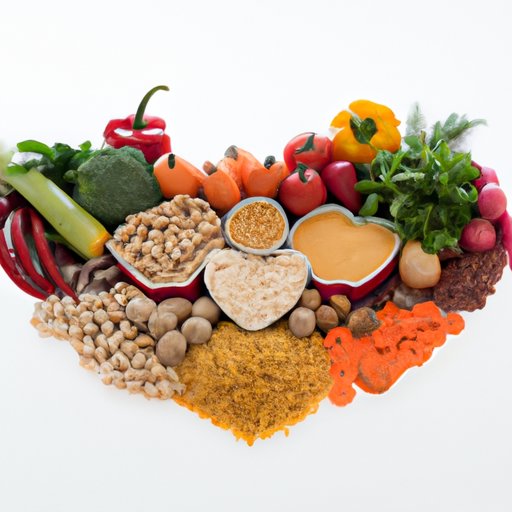
Vegetarianism is an increasingly popular lifestyle choice, and one that offers numerous health and environmental benefits. If you’re considering making the switch to vegetarianism, understanding the basics and having a plan in place will help make the transition easier. This article will provide an overview of vegetarianism, discuss the benefits of going vegetarian, and provide tips and resources to help you succeed in your new diet.
Research the Benefits of Going Vegetarian
Before making any major changes to your diet, it’s important to understand what you’re getting yourself into. Researching the health and environmental benefits of vegetarianism can be a great way to motivate yourself to make this lifestyle change.
Health Benefits
The most obvious benefit of going vegetarian is improved health. Studies have shown that vegetarians are typically leaner than their meat-eating counterparts, and have lower cholesterol levels. Additionally, there is evidence that vegetarian diets can reduce the risk of developing chronic illnesses like type 2 diabetes, heart disease, and certain types of cancer.
Environmental Impact
In addition to the personal health benefits of vegetarianism, there are also positive environmental impacts. Livestock production contributes significantly to global warming, water pollution, and deforestation. By eliminating or reducing the amount of meat you eat, you can help reduce these negative impacts.
Make a Grocery Shopping List of Vegetarian-Friendly Foods
Once you’ve decided to go vegetarian, the next step is to create a grocery shopping list of vegetarian-friendly foods. Here are some of the staples you should consider adding to your list:
Fruits and Vegetables
Fruits and vegetables are the foundation of any healthy diet, and they are especially important for vegetarians. Eating a variety of fruits and vegetables will ensure that you get all the vitamins and minerals your body needs. Don’t be afraid to try new things – the more variety you have in your diet, the more likely you are to stick with it.
Whole Grains and Legumes
Whole grains and legumes are excellent sources of protein, fiber, and other essential nutrients. They are also versatile ingredients that can be used in a variety of dishes. Try adding quinoa, brown rice, lentils, and other whole grains and legumes to your weekly meal plan.
Meat Alternatives
For those who miss the taste and texture of meat, there are plenty of meatless alternatives available. From veggie burgers and mock meats to tofu and tempeh, there are plenty of delicious options to choose from. Many of these products are fortified with nutrients such as iron and vitamin B12, which are often lacking in vegetarian diets.

Get Creative in the Kitchen
Cooking at home is one of the best ways to ensure that you’re getting the most nutritional value from your food. To keep meals interesting, try to find new recipes or experiment with different flavors and spices. Here are some tips for getting creative in the kitchen:
Finding Recipes
There are tons of cookbooks and websites dedicated to vegetarian cooking. Look for recipes that use fresh, whole ingredients and incorporate a variety of flavors and textures. You can also search for recipes based on specific ingredients or dietary restrictions (e.g. gluten-free, vegan).
Experimenting with Flavors
Don’t be afraid to experiment with different herbs and spices. Not only do these add flavor to your food, but many of them have health benefits as well. For example, garlic and turmeric are both known for their anti-inflammatory properties. Get creative and see what combinations you can come up with!
Try Meat Alternatives
If you’re missing the taste and texture of meat, there are plenty of meatless alternatives available. Here are some of the most common types of meatless options and how to incorporate them into your meals:
Different Types of Meatless Options
Tofu, tempeh, seitan, and textured vegetable protein are all good sources of plant-based protein. Additionally, there are many vegetarian burgers, sausages, and meat substitutes available in stores. Experiment with different products to find what works best for you.
Ways to Incorporate Them Into Meals
There are many ways to incorporate meatless options into your meals. Add tofu to stir-fries, soups, and salads. Use tempeh in tacos, sandwiches, and burritos. And don’t forget about veggie burgers – they can be a great substitute for traditional burgers.
Eat More Whole Grains and Legumes
Whole grains and legumes are great sources of protein and fiber, and they can also help you meet your daily nutrient needs. Here are some of the benefits of adding more of these foods to your diet:
Nutritional Benefits
Whole grains and legumes are packed with vitamins, minerals, and other essential nutrients. They are also high in fiber, which can help keep you feeling full for longer. Eating a variety of whole grains and legumes will help ensure you get all the nutrients your body needs.
Variety of Dishes
Whole grains and legumes are incredibly versatile ingredients that can be used in a variety of dishes. Try adding quinoa to salads, lentils to soups, and brown rice to stir-fries. Or, mix and match different grains and legumes for a unique combination.

Plan Ahead for Eating Out
Eating out can be a challenge when you’re following a vegetarian diet. To make sure you’re able to find something to eat, it’s important to plan ahead. Here are some tips for dining out as a vegetarian:
Researching Restaurants
Before heading out to a restaurant, take some time to research the menu online. Many restaurants now offer vegetarian-friendly options, so you should have no trouble finding something that fits your dietary needs. If you’re not sure what to order, don’t hesitate to ask the server for suggestions.
Making Special Requests
If a dish isn’t marked as vegetarian, don’t be afraid to ask if it can be prepared without meat. Most restaurants are more than happy to accommodate special requests, and you may even discover some new favorite dishes!
Seek Support from Others
Making any major lifestyle change can be difficult, and going vegetarian is no exception. Seeking support from family, friends, and even strangers can be a great way to stay motivated and on track. Here are some tips for getting the support you need:
Joining Online Communities
There are many online communities dedicated to vegetarianism. Joining one of these groups can be a great way to connect with like-minded individuals and get advice and encouragement from others who are on the same journey.
Talking to Family and Friends
Talking to family and friends about your decision to go vegetarian can also be beneficial. Explaining why you’ve chosen this lifestyle and asking for their support can make the transition easier. Plus, having someone to talk to when you’re feeling overwhelmed or discouraged can be a great source of motivation.
Conclusion
Going vegetarian can be a rewarding lifestyle change that offers numerous health and environmental benefits. By researching the benefits of vegetarianism, creating a grocery list of vegetarian-friendly foods, getting creative in the kitchen, and seeking support from others, you’ll be well on your way to succeeding with your new diet.
(Note: Is this article not meeting your expectations? Do you have knowledge or insights to share? Unlock new opportunities and expand your reach by joining our authors team. Click Registration to join us and share your expertise with our readers.)