
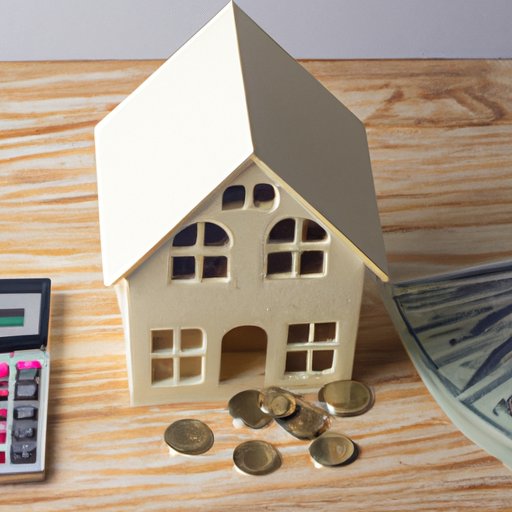
Introduction
Buying a house is a major financial commitment that requires careful planning and preparation. Taking the time to research different mortgages, get pre-approved for a loan, create a budget, and build up your savings can help ensure that you’re in the best position possible when it comes time to purchase your dream home.
In addition to setting yourself up for success, preparing your finances ahead of time has many benefits. You’ll be able to shop around for the best rates and terms on mortgages and insurance, make sure you’re getting the most out of your budget, and have the peace of mind knowing that you’re ready to make such a large purchase.

Research Mortgage Options and Compare Rates
The first step to preparing your finances for buying a house is to research different types of mortgages and compare interest rates, fees, and other costs. There are many different kinds of mortgages available, including fixed-rate, adjustable-rate, FHA, VA, and USDA loans. It’s important to weigh the pros and cons of each type of loan to determine which one is right for you.
You should also take the time to compare loan offers from different lenders. Most lenders will offer different interest rates, fees, and other terms, so it’s important to shop around to find the best deal. You may even be able to negotiate a better rate or lower fees if you’ve done your research and know what to look for.
Get Pre-Approved for a Loan and Find Out What You Can Afford
Once you’ve researched different types of mortgages and compared loan offers, it’s time to get pre-approved for a loan. Pre-approval is an important step in the process because it lets you know exactly how much you can afford to spend on a house. The lender will review your credit score, income, debts, and other financial information to determine the maximum amount they’re willing to lend you.
After you’ve been pre-approved, it’s important to determine what you can afford based on your budget. Take into consideration all of your existing expenses, such as car payments, student loans, and credit card bills, and factor in the cost of housing, taxes, insurance, and maintenance. Knowing what you can realistically afford will help you narrow down your search and avoid potential financial hardship down the road.

Calculate the Total Costs of Owning a Home
In addition to your monthly mortgage payment, there are several other costs associated with buying a house. Closing costs, taxes, insurance, and maintenance can add up quickly, so it’s important to factor them into your budget. Don’t forget to consider the cost of utilities, furnishings, and other expenses that come with owning a home.
It’s also helpful to set aside extra money for unexpected costs. From repairs to upgrades, there are always surprises when it comes to owning a house. Having some extra cash saved up can help you cover any surprise expenses without breaking the bank.
Create a Budget and Track Expenses
Creating a budget is essential for managing your finances when buying a house. Estimate your monthly housing expenses, such as mortgage payments, insurance, taxes, and utilities, and set aside money for unexpected costs. This will help you stay within your budget and avoid overspending.
It’s also important to keep track of all your expenses. Tracking your spending can help you identify areas where you may be able to cut back or save more money. This will give you a clearer picture of your financial situation and help you prepare for the future.
Build Up Your Savings and Pay Down Debt
Building up your savings and paying down debt are two important steps to take when preparing your finances for buying a house. Having a healthy savings account can provide a cushion in case of emergency, and it can also serve as a source of funds for a down payment or closing costs. Paying off debt can also help you qualify for a better rate on a loan.
When it comes to savings, prioritize putting money away for a down payment. Most lenders require a down payment of at least 5% of the home’s purchase price, so it’s important to start saving early. Even if you don’t have enough saved up for a down payment, having some money in the bank can help you secure a better loan.

Shop Around for the Best Insurance Coverage
Finding the best insurance coverage is another important step in preparing your finances for buying a house. Shop around for different providers and policies to make sure you’re getting the best rates and the most comprehensive coverage. Compare costs and coverage options to ensure you’re getting the most bang for your buck.
Conclusion
Buying a house is a big step and requires careful planning and preparation. Researching different mortgages, getting pre-approved for a loan, calculating total costs, creating a budget, building up your savings, and shopping around for insurance are all important steps to take when preparing your finances for buying a house.
Taking the time to prepare your finances ahead of time can help ensure that you’re in the best position possible when it comes time to purchase your dream home. Start the process early and you’ll be well on your way to achieving your goal of homeownership.
(Note: Is this article not meeting your expectations? Do you have knowledge or insights to share? Unlock new opportunities and expand your reach by joining our authors team. Click Registration to join us and share your expertise with our readers.)