
Introduction
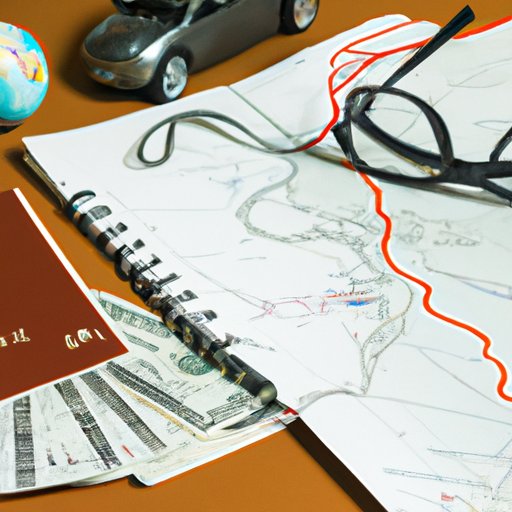
Nothing quite beats the freedom of hitting the open road and going on a road trip. But for a successful experience, you need to plan ahead. From researching the route and potential stops to packing the right supplies and creating an emergency kit, there is a lot to consider when it comes to planning a road trip.
Research the Route and Potential Stops
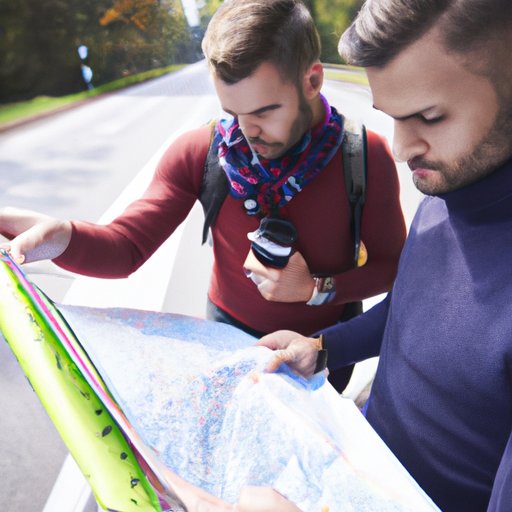
Before you start your journey, it’s important to do your research so you can make informed decisions while on the road. Look at different maps and compare different routes, as well as any potential stops along the way. Consider all possible destinations and attractions that might be worth checking out.
It’s also important to research any necessary permits or restrictions that may affect your journey. Depending on where you are going, some areas may require special permits or have certain rules in place that you need to follow. Take the time to read up on the regulations before you leave.
Estimate Trip Costs
Estimating the cost of your trip is an important step when planning a road trip. Calculate the fuel expenses based on the distance you will be traveling and the estimated miles per gallon of your car. Be sure to factor in any tolls you may come across during your journey.
Estimate the cost of lodging by researching different hotels and campgrounds along the route. If you are camping, you will also need to account for the cost of supplies like sleeping bags and tents. Don’t forget to plan for food and other supplies you may need during the trip.
Pack Necessary Supplies
Once you’ve done your research and estimated the costs, it’s time to start packing. Make sure you bring enough clothing and personal items for the duration of the trip. Don’t forget to pack a first aid kit with basic medical supplies. Also, bring along any electronics and chargers you may need.
Prepare an Emergency Kit
No matter how much you plan ahead, unexpected things can happen while on the road. To be prepared for any situation, make sure to pack an emergency kit. The kit should include a spare tire, jumper cables, a flashlight, a fire extinguisher, and any other tools you think may be useful. You can also include extra snacks and water in case of an emergency.

Make a List of Entertainment Options
Road trips can take a long time, so it’s important to plan for entertainment. Create a list of music, games, books, podcasts, and any other activities that may help pass the time. Consider downloading some audiobooks or movies for the ride.
Map Out Rest Stops and Overnight Stays
Finally, it’s important to map out where you will be stopping along the way. Determine where you will take breaks and find overnight lodging options. Research different places and read reviews to ensure you are getting the best deal. Plan for unexpected delays and always give yourself plenty of time to get where you are going.
Conclusion
Planning a road trip can seem overwhelming, but if you take the time to research, calculate costs, and pack the right supplies, it can be an enjoyable and rewarding experience. Remember to consider all possible destinations, prepare an emergency kit, plan for entertainment, and map out rest stops and overnight stays.
(Note: Is this article not meeting your expectations? Do you have knowledge or insights to share? Unlock new opportunities and expand your reach by joining our authors team. Click Registration to join us and share your expertise with our readers.)