
Introduction
Feeling tight or restricted in certain areas of the body can be uncomfortable, prevent proper movement, and cause pain. But how do you know if you’re actually tight or if something else is causing the issue? In this article, we’ll explore ways to identify areas of tightness and provide tips for loosening these areas up.
Check Your Range of Motion
One of the most obvious signs of tightness is a decrease in range of motion. Stretching can help to improve flexibility and mobility, which can reduce symptoms of tightness. Studies have found that regular stretching can improve range of motion, improve circulation, and reduce risk of injury.
Try some basic stretching exercises to target different muscle groups. For example, a standing quad stretch can target the muscles on the front of the thigh, while a seated hamstring stretch can target the back of the leg. With each stretch, focus on deep breathing and really feel into the sensation of the stretch. As you move through each exercise, take note of any areas that feel particularly tight or restricted.
Pay Attention to Pain
Pain is another indicator of tightness. The exact cause of the pain can vary, but it could be due to overstretching or a muscle imbalance. It’s important to pay attention to any pain or discomfort so you can address the issue before it worsens.
If the pain persists after stretching or seems to come and go, it may be a sign of an underlying issue. Consider talking to a physical therapist or doctor who can help determine the cause and recommend treatment options.
Monitor Your Posture
Poor posture can lead to tightness in the neck, shoulders, and other areas of the body. To maintain proper alignment, try to keep your ears, shoulders, and hips aligned. When sitting, avoid slouching or hunching forward. If you’re standing, keep your feet hip-width apart with your weight evenly distributed.
Focusing on posture throughout the day can help to reduce tightness and prevent further issues from developing.
Try a Foam Roller
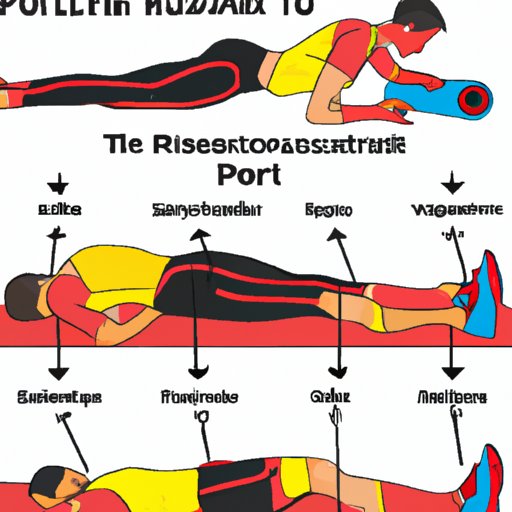
Using a foam roller is another great way to target areas of tightness. A foam roller is a cylindrical device that can be used to roll out tight muscles. This can help loosen up the muscles and reduce discomfort.
When using a foam roller, start by targeting the area of tightness. Then gradually move outward and up or down the body. Roll back and forth slowly until you find a spot that feels tender. Spend extra time on this spot, as it might indicate an area of tightness.
Listen to Your Body
Finally, it’s important to listen to your body and respond accordingly. After a workout, take note of how your body feels. If you’re feeling overly sore or tight, take a break and rest. This will give your body time to recover and prevent further issues from developing.
Conclusion
Knowing if you’re tight can help you better manage your symptoms and prevent further issues from developing. Use stretching, posture awareness, and foam rolling to identify areas of tightness. Listen to your body and take breaks when needed. If the issue persists, consider seeking professional help.
(Note: Is this article not meeting your expectations? Do you have knowledge or insights to share? Unlock new opportunities and expand your reach by joining our authors team. Click Registration to join us and share your expertise with our readers.)