
Introduction
Ovulation is the process by which a woman’s body releases an egg from her ovary each month in preparation for fertilization. It is an important part of conception and knowing when you are ovulating can help you plan for pregnancy or avoid it, depending on your goals. In this article, we will explore how to know if you are ovulating so that you can make informed decisions about your reproductive health.
Learn the Signs of Ovulation
One way to tell if you are ovulating is to pay attention to physical signs that your body may be giving you. These signs vary from woman to woman but common ones include changes in cervical mucus, abdominal cramps, and pain or tenderness in the breasts. Additionally, some women experience mid-cycle spotting or light bleeding, which can indicate ovulation.
Track Your Menstrual Cycle
Tracking your menstrual cycle is another way to determine when you are most likely ovulating. This can be done manually or with an app or online tracker, but either way, it involves taking note of the first day of your period each month and counting the days until your next period. Most women ovulate between days 11 and 14 of their menstrual cycle, although this can vary slightly from person to person. Knowing your cycle length can help you pinpoint when you are most likely to ovulate.
Check Your Cervical Mucus
Cervical mucus is a fluid secreted by the cervix that changes throughout a woman’s menstrual cycle. During ovulation, the cervical mucus becomes thin and stretchy, resembling raw egg whites. Checking your cervical mucus can help you identify when you are ovulating as the consistency and color of the mucus will change during this time.
Take an Ovulation Test
An ovulation test measures the levels of luteinizing hormone (LH) in your urine. LH is released by the pituitary gland and triggers the release of an egg from the ovary. An ovulation test can detect the presence of LH and thus help you determine when you are ovulating. To use an ovulation test, simply follow the instructions on the packaging and then interpret the results.
Monitor Your Basal Body Temperature
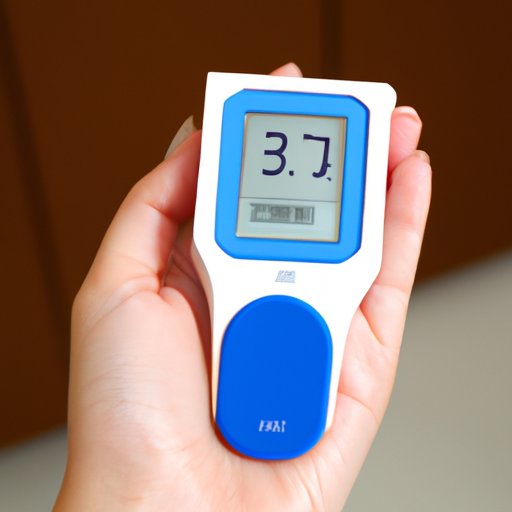
Basal body temperature is the lowest body temperature achieved while at rest and can provide clues as to when a woman is ovulating. Taking your temperature each morning before you get out of bed and recording it can help you to identify patterns in your temperature that correspond with ovulation. Typically, your temperature will drop just before ovulation and then rise again after ovulation has occurred.
Use an Ovulation Calculator
An ovulation calculator is a tool that uses information about your menstrual cycle to estimate when you are most likely to ovulate. All you need to do is enter the first day of your last period and the average length of your cycle and the calculator will calculate your estimated ovulation date. This can be useful for planning sex or trying to conceive.
Look Out for Ovulation Symptoms
In addition to the physical signs of ovulation, there are also certain symptoms that can indicate that you are ovulating. Common symptoms include light spotting, abdominal bloating, increased libido, and mild cramping. Paying attention to these symptoms can help you identify when you are ovulating.
Conclusion
Knowing when you are ovulating can be very beneficial for those who are trying to conceive or avoid pregnancy. By paying attention to physical signs, tracking your menstrual cycle, checking your cervical mucus, taking an ovulation test, monitoring your basal body temperature, using an ovulation calculator, and looking out for ovulation symptoms, you can better understand your body and when you are most likely to be ovulating. With this knowledge, you can make informed decisions about your reproductive health.
(Note: Is this article not meeting your expectations? Do you have knowledge or insights to share? Unlock new opportunities and expand your reach by joining our authors team. Click Registration to join us and share your expertise with our readers.)