
Introduction
Investing in oil can be a great way to diversify your portfolio and benefit from the volatility of the oil markets. Oil is one of the most traded commodities in the world, and its price can be influenced by numerous factors, such as political events, economic conditions, and natural disasters. This makes it an attractive option for investors looking to capitalize on short-term fluctuations and long-term growth.
In this article, we will explore the different types of oil investments available, the risks involved, and how to research and analyze the market for potential opportunities. We will also discuss how to choose a broker or investment platform, decide on an investment strategy, and monitor your investments regularly. Finally, we will look at the benefits of diversifying your portfolio with other assets.
Why Invest in Oil?
Oil has been used as an energy source for centuries and is essential to modern life. According to the International Energy Agency (IEA), oil currently accounts for 33 percent of global energy consumption and is the primary source of fuel for transportation, manufacturing, and many other industries. As such, it is an important commodity that is heavily traded on the international markets.
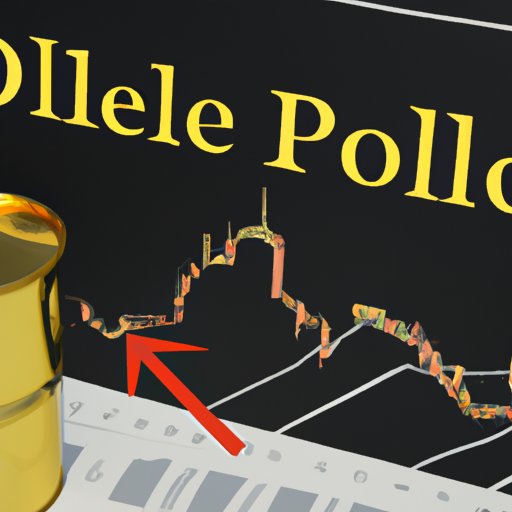
The price of oil is highly volatile and can be influenced by numerous factors. This makes it an attractive option for investors looking to capitalize on short-term fluctuations and long-term growth. Additionally, the rising demand for oil from emerging economies such as China and India means that there is potential for strong returns over the long term.

Overview of Different Types of Oil Investments
There are several ways to invest in oil, each with its own advantages and disadvantages. The most common types of oil investments include:
- Exchange-Traded Funds (ETFs): ETFs are funds that track the performance of a particular index, such as the S&P 500 or the Dow Jones Industrial Average. ETFs that track oil prices are available, allowing investors to gain exposure to the oil markets without having to purchase individual oil contracts.
- Futures Contracts: Futures contracts are agreements to buy or sell a certain amount of oil at a predetermined price on a future date. These contracts are typically traded on exchanges, and they allow investors to benefit from price movements without having to purchase physical oil.
- Stocks: Stocks of companies involved in the production and distribution of oil can be bought and sold on the stock market. Investors can benefit from the company’s profits and dividends as well as any gains in the share price.
- Options: Options are contracts that give the investor the right, but not the obligation, to buy or sell a certain amount of oil at a predetermined price. They can be used to hedge against potential losses or take advantage of price movements.
- Commodity Funds: Commodity funds are investment vehicles that hold a portfolio of various commodities, including oil. These funds provide access to a range of commodities, reducing risk by spreading investments across different sectors.
Research the Different Types of Oil Investments
Before investing in oil, it is important to understand the different types of investments available and the associated risks and benefits. Here are some tips for researching the different types of oil investments:
What are the different types of oil investments?
As mentioned above, there are several ways to invest in oil, including exchange-traded funds, futures contracts, stocks, options, and commodity funds. Each type of investment has its own advantages and disadvantages, so it is important to research each one carefully before deciding which is right for you.
What are the benefits and risks associated with each type?
It is important to understand the potential risks and rewards associated with each type of oil investment. For example, futures contracts involve substantial risk due to their leveraged nature, while ETFs offer lower risk but may not provide the same level of potential returns as other types of investments. It is also important to consider any fees or commissions associated with each type of investment.
Understand the Risks Involved with Investing in Oil
Investing in oil carries significant risk, so it is important to understand the potential risks before investing. Here are some of the key risks to consider:
Volatility of Oil Prices
Oil prices are highly volatile and can move rapidly in response to news and events. This means that even small changes in the price of oil can have a big impact on your investments. According to a recent study by the University of Pennsylvania, “oil price shocks can lead to large and persistent economic losses.”
Political and Environmental Factors
Political unrest and environmental disasters can also have a big impact on the price of oil. For example, the Arab Spring of 2011 caused oil prices to spike due to fears of supply disruptions in the Middle East. Similarly, the Deepwater Horizon oil spill in 2010 led to a sharp decline in the price of oil due to concerns about the long-term damage to the environment.
Leverage and Margin
Leveraged investments such as futures contracts and options can magnify both gains and losses. This means that a small movement in the price of oil can have a big impact on your investments. It is important to understand the leverage involved in each type of investment and to manage your risk accordingly.

Analyze the Market for Oil Investments
Once you have researched the different types of oil investments, it is important to analyze the market for potential opportunities. Here are some tips for analyzing the oil markets:
Research Companies and Funds
It is important to research companies and funds that specialize in oil investments. Look for those with a good track record of performance and those that are managed by experienced professionals. Pay close attention to the fees and commissions associated with each fund or company.
Use Technical Analysis to Identify Opportunities
Technical analysis is a method of analyzing the price movements of securities to identify potential buying and selling opportunities. Common tools used in technical analysis include trend lines, moving averages, and support and resistance levels. Analyzing these indicators can help you identify potential entry and exit points for oil investments.

Choose a Broker or Investment Platform to Invest in Oil
Once you have identified potential opportunities, it is time to choose a broker or investment platform to invest in oil. Here are some tips for choosing the best broker or platform for your needs:
Considerations when Choosing a Platform
When choosing a platform, it is important to consider the fees and commissions associated with each one. Additionally, look for platforms that offer educational materials and resources to help you learn more about investing in oil. Finally, make sure the platform is secure and regulated to protect your investments.
Compare Fees and Commissions
It is important to compare the fees and commissions associated with each platform. While some platforms may charge higher fees, they may also offer more features or better customer service. Make sure to read the fine print before signing up for any platform.
Decide on an Investment Strategy for Oil
Once you have chosen a broker or platform to invest in oil, it is time to decide on an investment strategy. Here are some tips for developing an investment strategy for oil:
Long-Term vs Short-Term Strategies
It is important to consider whether you want to adopt a long-term or short-term approach to investing in oil. Long-term strategies focus on building a portfolio of long-term investments, while short-term strategies aim to capitalize on short-term price movements. It is important to understand the risks and rewards associated with each approach before deciding which is right for you.
Strategies for Risk Management
Risk management is an important part of any investment strategy. Consider using stop-loss orders, hedging, and diversification to protect your investments from potential losses. Additionally, make sure to stay informed about news and events that could impact the price of oil.
Monitor Your Oil Investments Regularly
It is important to monitor your investments regularly to ensure that your portfolio is performing as expected. Here are some tips for monitoring your oil investments:
Track Performance and Adjustments
Keep track of your investments and the performance of the oil markets. Make adjustments to your investments as needed to ensure that your portfolio remains aligned with your goals. Additionally, pay close attention to any news or events that could impact the price of oil.
Analyze Trends and Rebalance Portfolio
Analyze trends in the oil markets and adjust your portfolio as needed. Periodically rebalance your portfolio to ensure that it is aligned with your goals and risk tolerance. Additionally, make sure to take advantage of any tax benefits associated with oil investments.
Diversify Your Portfolio with Other Assets
It is important to diversify your portfolio with other assets to reduce risk and maximize returns. Here are some tips for diversifying your portfolio:
Benefits of Diversification
Diversifying your portfolio can help reduce risk and increase returns. By investing in multiple assets, you can spread your risk across different sectors and industries, reducing the impact of any single investment. Additionally, diversifying your portfolio can help protect against market downturns.
Consider Alternative Investments
In addition to traditional investments such as stocks and bonds, consider investing in alternative investments such as real estate, precious metals, and cryptocurrencies. These investments can provide a hedge against inflation and help to diversify your portfolio.
Conclusion
Investing in oil can be a great way to diversify your portfolio and benefit from the volatility of the oil markets. However, it is important to understand the different types of investments available and the associated risks before investing. Additionally, it is important to analyze the market for potential opportunities, choose an appropriate broker or platform, develop an investment strategy, and monitor your investments regularly. Finally, make sure to diversify your portfolio with other assets to reduce risk and maximize returns.
(Note: Is this article not meeting your expectations? Do you have knowledge or insights to share? Unlock new opportunities and expand your reach by joining our authors team. Click Registration to join us and share your expertise with our readers.)