

Introduction
A bad trip is an intense emotional experience that can happen when someone takes a psychedelic drug, such as lysergic acid diethylamide (LSD) or psilocybin mushrooms. During a bad trip, a person may experience intense emotions such as fear, anxiety, confusion, and paranoia. They may also have hallucinations or feel disconnected from reality. It’s important to remember that these feelings are temporary and can be managed with the right tools and techniques.
It’s normal to feel overwhelmed after a bad trip, but it’s important to reach out for help if you need it. There are many ways to cope with the emotions associated with a bad trip, including connecting with family and friends, practicing mindfulness and relaxation techniques, engaging in self-care activities, journaling your experience, seeking professional help, and making positive lifestyle changes.
Connecting with Family and Friends
Family and friends should be your primary source of support during a bad trip. Having someone to talk to about your experience can help you process your emotions and gain insight into what happened. Talking to someone you trust can also provide comfort and reassurance that the bad trip will end.
If you’re feeling hesitant to open up about your experience, remind yourself that your loved ones want to help. Reaching out for their support is a sign of strength, not weakness. You don’t have to go into detail about what happened, but it can be helpful to explain how you’re feeling so they can better understand your needs.
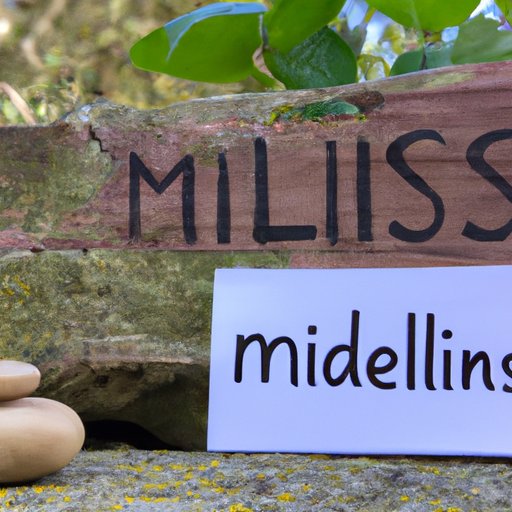
Practicing Mindfulness and Relaxation Techniques
Mindfulness and relaxation techniques can help you manage the physical and emotional symptoms of a bad trip. Mindfulness involves being aware of your thoughts and feelings without judgment. It helps you recognize and accept difficult emotions without getting overwhelmed by them. Relaxation techniques, such as deep breathing and progressive muscle relaxation, can help reduce stress and tension in your body.
When you’re feeling overwhelmed, take a few moments to practice mindfulness and relaxation techniques. Focus on your breath and notice how your body feels. Take slow, deep breaths and pay attention to any areas of tension. Gradually relax each part of your body until you feel more relaxed and at ease.
Engaging in Self-Care Activities
Self-care activities can help you process your experience and find comfort during a bad trip. Self-care activities are any activities that make you feel good and bring you joy. Examples include taking a hot bath, going for a walk in nature, listening to music, watching a movie, or engaging in a creative activity. Doing something that brings you pleasure can help lift your mood and provide some much-needed distraction from your thoughts.
It’s important to choose activities that resonate with you. For example, if you enjoy cooking, try making a favorite dish. If you like being outdoors, take a short walk in a park or garden. Whatever you choose, give yourself permission to take a break and do something that brings you joy.
Journaling Your Experience
Writing down your thoughts and feelings can be a powerful way to process your experience. Writing can help you make sense of your emotions and uncover insights into the root cause of your bad trip. It can also help you reflect on the lessons you learned and discover new perspectives.
When writing in your journal, focus on your feelings and how you responded to them. Consider topics such as your thoughts before and after the bad trip, the emotions you experienced, and any coping strategies that worked. Writing can also be a form of self-expression; use it to explore your innermost thoughts and feelings without judgment or criticism.
Seeking Professional Help
If your emotions become too overwhelming, it’s important to seek professional help. A therapist or counselor can provide a safe space for you to explore your feelings and gain clarity about your experience. They can also teach you effective coping strategies and offer guidance on how to move forward.
If you’re unsure where to start, speak to your doctor or a mental health professional. They can recommend resources and provide referrals to therapists who specialize in psychedelics and psychedelic-assisted therapy.
Making Positive Lifestyle Changes
Making positive lifestyle changes can help you cope with the emotions associated with a bad trip. Start by creating healthy boundaries and setting limits on how much time you spend on social media and other distractions. Make sure to get enough sleep, eat nutritious meals, and engage in regular physical activity. Prioritizing your wellbeing can help restore balance to your life and make it easier to manage difficult emotions.
You can also create positive rituals to look forward to each day. Examples include meditating for 10 minutes, writing in your journal, or doing something creative. Cultivating healthy habits can help you stay connected to yourself and cultivate a sense of peace.
Conclusion
A bad trip can be an emotionally difficult experience, but there are ways to cope. Connecting with family and friends, practicing mindfulness and relaxation techniques, engaging in self-care activities, journaling your experience, seeking professional help, and making positive lifestyle changes can all help you manage the emotions associated with a bad trip. Remember that you don’t have to go through this alone—reaching out for help is a sign of strength.
(Note: Is this article not meeting your expectations? Do you have knowledge or insights to share? Unlock new opportunities and expand your reach by joining our authors team. Click Registration to join us and share your expertise with our readers.)