

Introduction
It can be startling to discover that your beloved pet is eating poop. While it’s normal for puppies to do this as they learn, it’s still an unpleasant habit that needs to be addressed. Fortunately, there are several steps you can take to help get your dog to stop eating poop.
This article will provide an overview of the problem and explain why dogs might eat poop in the first place. We will then cover seven strategies for getting your dog to stop eating poop, including keeping them on a leash, exercising and mentally stimulating them, cleaning up after them, changing their diet, and training them not to do it.
Why Do Dogs Eat Poop?
Before we cover how to stop your dog from eating stool, it’s important to understand why they’re doing it in the first place. According to veterinarian Dr. Jessica Vogelsang, “Coprophagia, or the consumption of feces, is a common behavior problem reported by pet parents.” This means that while it’s not desirable, it’s something many dog owners have to deal with.
There are several possible reasons why your dog might be eating poop. It could be due to a medical issue such as a nutrient deficiency or digestive disorder. If your dog is eating the feces of other animals, they may be trying to mark their territory. They may also be scavenging for food if they are hungry or bored. Finally, some dogs simply enjoy the taste.
Keeping Your Dog on a Leash
One of the best ways to prevent your dog from eating poop is to keep them on a leash when you go out for walks. This will help you supervise their behavior and ensure that they don’t have the opportunity to eat any feces they may find on the ground.
A leash also helps to avoid any potential conflicts with other dogs or people. This can be especially important if your dog has a tendency to become aggressive around other animals or people.
Exercise and Mental Stimulation
When a dog is not getting enough exercise or mental stimulation, they may resort to unwanted behaviors like eating poop. To prevent this, it’s important to make sure your dog is getting plenty of physical and mental activity each day.
Some types of activities that will help give your dog the exercise and mental stimulation they need include long walks, playing fetch, agility courses, and hide-and-seek. You can also consider enrolling them in a canine sport such as dock diving or flyball. These activities provide both physical and mental stimulation and can help to redirect their attention away from eating poop.
Clean Up After Your Dog
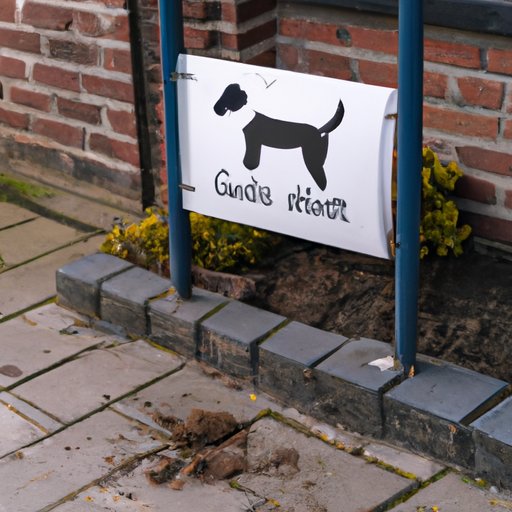
If your dog is eating their own poop, it’s important to clean up right away. This will help to remove any sources of temptation and reduce the likelihood that they will continue to engage in this behavior.
You can also look into products that are designed to mask the smell of feces, such as odor-eliminating sprays or shampoos. This can help to reduce the appeal of eating poop for your dog.
High-Quality Diet
A nutritious diet can also play an important role in helping to reduce coprophagia. If your dog is lacking certain nutrients, they may be more likely to eat their own feces in an attempt to satisfy their nutritional needs.
Adding fiber to your dog’s diet can help to reduce the urge to eat poop. You can also consider adding supplements such as probiotics or digestive enzymes to help improve their digestion.
Training
In addition to the other strategies mentioned above, it’s also important to train your dog not to eat poop. Teach them commands such as “leave it” or “drop it” so they know what to do when they come across a pile of feces.
You can also reward them with treats when they respond correctly to these commands. This will help to reinforce the desired behavior and make it more likely that they will ignore the temptation to eat poop in the future.
Conclusion
Eating poop is an unpleasant habit that no one wants their dog to engage in. Fortunately, there are several steps you can take to help get your dog to stop eating poop. These include keeping them on a leash, exercising and mentally stimulating them, cleaning up after them, changing their diet, and training them not to do it.
By following these steps and being consistent with your approach, you should be able to help get your dog to stop eating poop. If you need additional help, there are many resources available online and through your veterinarian.
(Note: Is this article not meeting your expectations? Do you have knowledge or insights to share? Unlock new opportunities and expand your reach by joining our authors team. Click Registration to join us and share your expertise with our readers.)