
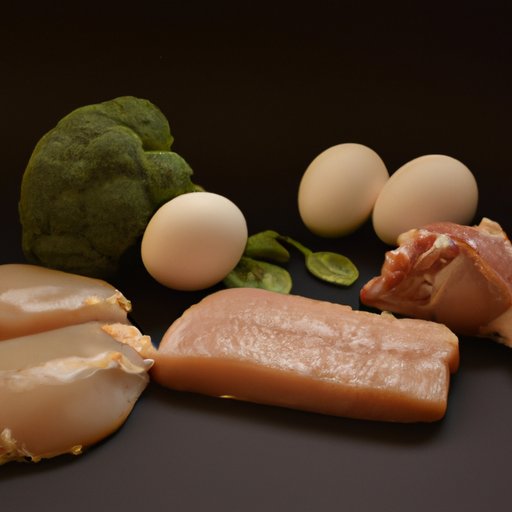

Introduction: Why Eating a Lot of Protein Is Important
Protein is an essential macronutrient that plays a crucial role in the body’s growth and maintenance. It is a key component of cells, organs, muscles, skin, and hormones, and it helps to build and repair tissue. Protein also boosts the immune system, helps regulate hormones, and provides energy.
The Dietary Reference Intake (DRI) recommends that adults consume 0.8 grams of protein per kilogram of body weight per day. For example, if you weigh 70 kilograms, you should aim to get 56 grams of protein each day. However, many people find it difficult to reach this goal.
This article provides a comprehensive guide on how to eat a lot of protein. It covers how to choose high-protein foods, ways to incorporate protein into every meal, strategies for increasing your protein intake gradually, and more.
Choose High-Protein Foods
The first step to eating a lot of protein is to stock your fridge and pantry with nutrient-dense, high-protein foods. Here are some examples:
- Meat, poultry, and fish
- Eggs
- Dairy products
- Legumes, such as lentils, beans, and chickpeas
- Nuts and nut butters
- Seeds
- Tofu and tempeh
- Quinoa
- Whole grains, such as oats, barley, and bulgur wheat
When shopping, look for leaner cuts of meat, low-fat dairy products, and minimally processed versions of whole grains. You can also purchase pre-cooked frozen options, such as grilled chicken and pre-made quinoa bowls, to save time and effort.
Incorporate Protein into Every Meal
Rather than focusing on one or two meals where you load up on protein, try to include it in all of your meals and snacks throughout the day. This will help ensure that you get enough protein without having to consume large amounts at once.
For breakfast, you could have a smoothie made with Greek yogurt, oats, nuts, and fruit. For lunch, you could make a salad with greens, grilled chicken, beans, and seeds. And for dinner, you could have salmon with roasted vegetables and quinoa. If you need a snack, reach for hard-boiled eggs, cottage cheese, or a handful of nuts.

Increase Your Protein Intake Gradually
It can be tempting to try to increase your protein intake all at once. However, doing so may lead to digestive issues and other unwanted side effects. Therefore, it’s best to do it gradually.
According to a 2019 study published in the Journal of the International Society of Sports Nutrition, slowly increasing your intake of protein over several weeks is associated with better overall health outcomes. Start by adding a few extra servings of protein to your meals each day and then slowly increase the amount over time.

Eat Protein Sources That You Enjoy
Although you should strive to get a variety of proteins in your diet, it’s also important to enjoy the foods you’re eating. If you don’t like a certain type of food, chances are you won’t stick with it for very long.
For example, if you don’t like fish, you don’t have to eat it. Instead, you could opt for other sources of protein, such as lean beef, tofu, eggs, or legumes. Find what works for you and focus on adding more of those foods to your diet.
Be Mindful of Portion Sizes
In addition to choosing the right types of protein, it’s also important to pay attention to portion sizes. The DRI recommends consuming 5–6 ounces of protein per meal, which is roughly the size of a deck of cards.
If you’re eating larger portions, you may be consuming too much protein, which can lead to digestive issues and other health problems. Therefore, it’s important to be mindful of the amount of protein you’re consuming.

Get Creative With Protein Shakes
Protein shakes are a convenient way to boost your protein intake. They’re easy to make and offer a variety of flavors and textures. Plus, they’re easy to customize with various fruits, vegetables, and nut butters.
You can also add protein powder to smoothies, milk, or oatmeal. Or, you can bake with it by adding a scoop to your favorite muffin or bread recipe.
Conclusion: How to Eat a Lot of Protein
Eating a lot of protein is essential for maintaining good health. To do so, start by stocking your pantry and fridge with high-protein foods, such as meat, poultry, fish, eggs, dairy products, legumes, nuts, and whole grains. Then, try to incorporate protein into every meal and snack throughout the day. Additionally, gradually increase your protein intake over time, and focus on eating protein sources that you enjoy. Finally, be mindful of portion sizes and get creative with protein shakes to meet your goals.
(Note: Is this article not meeting your expectations? Do you have knowledge or insights to share? Unlock new opportunities and expand your reach by joining our authors team. Click Registration to join us and share your expertise with our readers.)