
Introduction
It’s normal to feel lonely from time to time, especially during periods of isolation or when we’re not surrounded by people we know and love. Loneliness is defined as the feeling of being isolated, disconnected, and lacking companionship, even in a crowd of people. It’s important to recognize that loneliness isn’t just an emotion, but can also be a sign of poor mental health. In this article, we will explore ways to cope with loneliness and be comfortable being alone.
Practice Self-Care
Self-care is one of the most important things you can do to help yourself when feeling lonely. It’s important to take time for yourself for activities that bring you joy, such as going for a walk, listening to music, or reading a book. According to a study published in the International Journal of Environmental Research and Public Health, engaging in leisure activities can improve your mental health.
It’s also important to find ways to relax and destress. Taking a hot bath, practicing yoga, or meditating can all be great ways to relax and reduce stress. According to a study published in Evidence-Based Complementary and Alternative Medicine, mindfulness meditation can help reduce feelings of loneliness and depression.
Connect with Others
Although it may seem counterintuitive, it’s important to reach out to friends and family when feeling lonely. Staying connected with people can help combat feelings of loneliness and make us feel less isolated. Even if you don’t feel like talking, sending a text or email to let someone know you’re thinking of them can make a big difference.
If you’re looking for more ways to connect with others, consider joining online communities or groups. There are many online support groups and forums available for people who are struggling with loneliness. Participating in these groups can help you feel less alone and provide you with an opportunity to share your thoughts and experiences with others.
Rediscover Your Interests
Spending time alone can be a great opportunity to explore new interests and activities. Whether it’s taking up a new hobby or trying something completely different, it’s important to invest some time into discovering what you love. Consider taking classes or learning something new—it’s a great way to stay engaged and motivated while spending time alone.
If you’re feeling stuck, try researching hobbies or classes that interest you. Not sure where to start? Ask your friends and family for recommendations or search online for ideas. You may be surprised at how much you enjoy something new!
Spend Time in Nature
Nature can be a great source of peace and tranquility. Spending time outdoors can help reduce stress and anxiety, according to a study published in the International Journal of Environmental Research and Public Health. Whether it’s a hike in the woods, a stroll along the beach, or simply sitting in your backyard, getting out into nature can be a great way to relax and reconnect with yourself.
Even if you don’t have access to a park or other outdoor space, you can still enjoy the beauty of nature from the comfort of your own home. Consider planting a garden, watching the sunset, or taking a few moments to admire the stars.
Create a Routine
Creating a daily routine can be a great way to structure your day with purpose. Establishing a routine that works for you can help you stay focused and motivated while spending time alone. Consider setting aside time each day for activities that bring you joy, such as reading, writing, or exercising.
It’s also important to keep a regular sleep schedule. Getting enough rest is key to staying healthy and maintaining a positive outlook. According to the National Sleep Foundation, adults should aim for 7-9 hours of sleep per night.
Get Creative
Engaging in creative activities can be a great way to express yourself and connect with your inner self. Writing, drawing, or painting can all be great outlets for creativity. If you’re not sure where to start, consider attending a local art class or watching tutorials online.
You don’t need to be an expert to get creative. The goal is to simply explore and express yourself in whatever way feels right. Creating art can be a great way to process emotions and express yourself in a positive way.
Journal
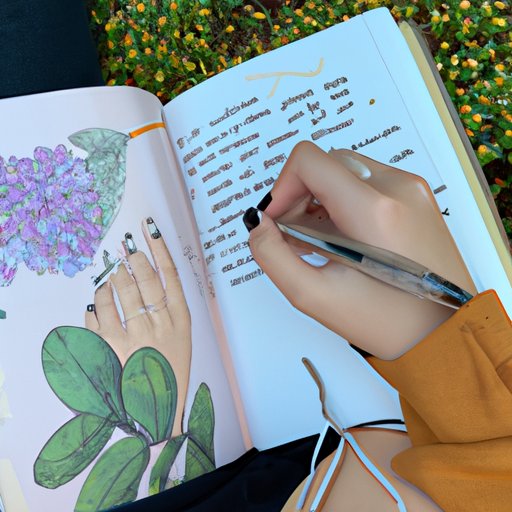
Writing down your thoughts and feelings can be a great way to process and understand your emotions. Keeping a journal can help you express yourself without feeling judged or criticized. Writing can also be a great outlet for exploring difficult emotions, such as loneliness or sadness.
When writing in your journal, it’s important to remember that there are no rules. Write whatever comes to mind and don’t worry about being perfect. The goal is to simply express yourself and explore your thoughts and feelings.
Conclusion
Being alone doesn’t have to be a bad thing. With a little practice and patience, you can learn to be okay with being alone. Remember to practice self-care, connect with others, explore your interests, spend time in nature, create a routine, get creative, and journal. Doing these things can help you cope with loneliness and be comfortable with yourself.
If you’re still struggling with loneliness, consider seeking professional help. There are many resources available to help you manage your emotions and cope with loneliness. Reach out to your doctor or a mental health professional for further support.
(Note: Is this article not meeting your expectations? Do you have knowledge or insights to share? Unlock new opportunities and expand your reach by joining our authors team. Click Registration to join us and share your expertise with our readers.)