
Introduction
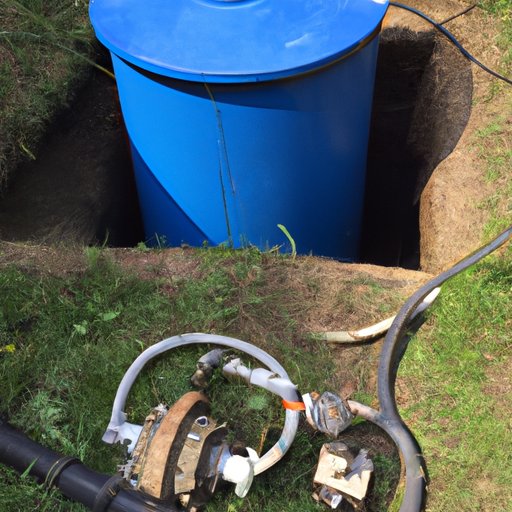
A septic tank is an underground wastewater treatment system used to manage wastewater from a home or business. The tank stores wastewater and solid waste, allowing the liquids to slowly percolate through layers of soil that provide natural filtration before entering the groundwater. Septic tank pumping is the process of cleaning out the accumulated solids from the tank, which is necessary to keep the system functioning properly. In this article, we will explore how often do septic tanks need to be pumped and the costs associated with it.
Analyzing the Frequency of Septic Tank Pumping
The frequency at which septic tanks need to be pumped depends on several factors, including the size of the tank, the number of people in the household, and how much water is used. Generally, septic tanks should be pumped every 3-5 years, though some tanks may require more frequent maintenance. According to the University of Wisconsin Extension, “Most residential septic systems should be pumped at least every three years, but the actual interval between pumping can vary greatly depending on usage and other factors.”
There are both pros and cons to regular septic tank pumping. On the one hand, regular pumping helps prevent costly repairs and can extend the life of the tank. Additionally, it prevents sewage backups, which can create a health hazard. On the other hand, regular pumping can be expensive and labor-intensive.
Understanding Septic Tank Maintenance and Pumping Needs
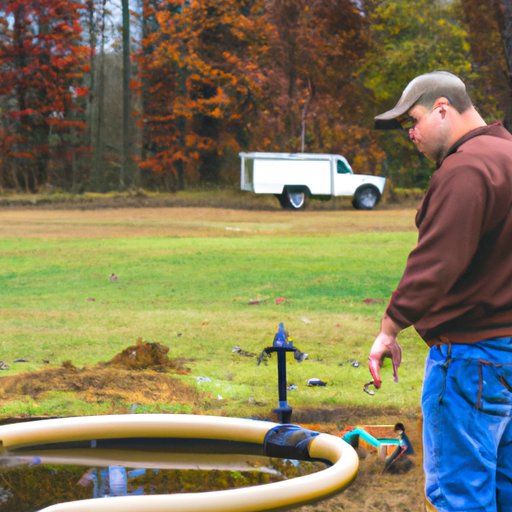
In order to determine whether a septic tank needs to be pumped, there are certain signs to look for. If the tank is emitting foul odors, has standing water around it, or if the toilets or drains are slow to drain, then it is likely time to have the tank pumped. Additionally, the scum and sludge levels should be monitored regularly. If the scum and sludge levels are higher than one-third of the total liquid depth, then the tank should be pumped.
It is important to note that septic tank pumping is not the only form of maintenance required for a septic system. Regular inspections and preventive measures such as proper water management can help reduce the need for pumping and increase the lifespan of the system.

An Overview of the Costs of Septic Tank Pumping
The cost of septic tank pumping varies depending on the size of the tank and the complexity of the job. Typically, the cost ranges from $200 to $500. However, it is important to note that this is just the cost of pumping; any additional services such as repairs or inspections may incur additional fees.
There are several ways to reduce the cost of septic tank pumping. One way is to compare prices from multiple companies. Additionally, scheduling regular inspections and maintenance can help to identify potential issues before they become major problems, which can save money in the long run. Finally, using water conservation methods such as low-flow toilets and showerheads can help reduce the amount of wastewater entering the tank, thus reducing the need for frequent pumping.
Conclusion
In conclusion, septic tank pumping is an important part of maintaining a functioning septic system. The frequency of pumping depends on several factors, including the size of the tank, the number of people in the household, and how much water is used. The cost of pumping can range from $200 to $500, though there are ways to reduce the cost such as comparing prices and utilizing water conservation methods. It is important to remember that regular maintenance and inspections are essential for keeping a septic system functioning properly.
This article has provided an overview of how often septic tanks need to be pumped and the costs associated with it. Regular pumping can help prevent costly repairs and can extend the life of the tank, but it is important to remember that septic tank pumping is not the only form of maintenance required for a septic system. Further research into the specific needs of a particular septic system is recommended.
(Note: Is this article not meeting your expectations? Do you have knowledge or insights to share? Unlock new opportunities and expand your reach by joining our authors team. Click Registration to join us and share your expertise with our readers.)