
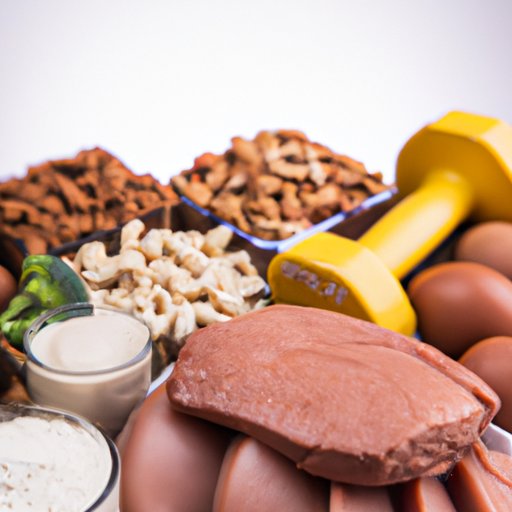
Introduction
Protein is an essential nutrient that helps keep our bodies functioning properly. It’s essential for building muscle, maintaining a healthy metabolism, and promoting bone health. But how much protein should you consume each day in order to reap these benefits? In this article, we’ll explore the importance of getting enough protein in your diet, how to calculate your ideal intake, and what science says about eating the right amount each day.
Calculating Your Protein Intake: How Much Protein Should You Eat in a Day?
The amount of protein you need in your diet depends on several factors, including your age, gender, and activity level. According to the World Health Organization (WHO), the recommended dietary allowance (RDA) for protein is 0.8 grams per kilogram of body weight per day for adults. That works out to about 56 grams of protein per day for the average sedentary man or 46 grams for the average sedentary woman.
However, if you’re more active, you may need more protein in your diet. For example, athletes and bodybuilders may require up to 2 grams of protein per kilogram of body weight per day. If you’re trying to build muscle, you may need even more than that.
If you’re unsure of your ideal protein intake, you can use a calorie-counting app to track your daily intake. You can also talk to a registered dietitian who can help you determine the right amount of protein for your individual needs.
A Guide to Eating the Right Amount of Protein Each Day
Once you’ve established your ideal protein intake, you’ll want to make sure you’re eating the right amount of protein each day. Here are some tips for doing so:
- Plan your meals: Make sure each meal contains a source of lean protein, such as chicken, fish, eggs, or legumes. Aim to spread your protein intake evenly throughout the day.
- Eat smaller portions: Try to limit your portion sizes to ensure you don’t overdo it on protein. A good rule of thumb is to aim for no more than three ounces of cooked protein per meal.
- Find protein sources that fit your diet: If you’re vegan or vegetarian, look for plant-based sources of protein, such as nuts, seeds, and legumes. If you follow a low-carb diet, opt for lean proteins like fish and eggs.
Protein Consumption: How Much Protein is Too Much?
Although getting enough protein in your diet is important, it’s possible to consume too much. Consuming excessive amounts of protein can lead to various health problems, including kidney damage, dehydration, and increased risk of heart disease. So, it’s important to stay within the recommended range for your individual needs.
According to the National Institutes of Health (NIH), most people don’t need more than 2 grams of protein per kilogram of body weight per day. Exceeding this amount may put you at risk for health problems, so it’s important to be mindful of how much protein you’re consuming.

The Benefits of Eating Enough Protein Each Day
Eating the right amount of protein each day has numerous benefits, including:
- Building muscle mass: Protein helps build and maintain muscle mass, which is important for overall health and athletic performance.
- Enhancing metabolism: Protein helps regulate your metabolism and can help you burn more calories throughout the day.
- Improving bone health: Protein helps strengthen bones and reduce the risk of osteoporosis.

What Science Says About Eating the Proper Amount of Protein Daily
Numerous studies have been conducted on the effects of protein consumption. Here’s what the research says:
- Benefits of eating enough protein: Studies show that eating adequate amounts of protein helps promote muscle growth, enhance metabolism, and improve bone health. (1)
- Dangers of eating too much protein: Other studies suggest that consuming excessive amounts of protein can increase the risk of kidney damage, dehydration, and heart disease. (2)
Eating for Optimal Muscle Growth: How Much Protein Do You Need?
If you’re looking to build muscle, you’ll need to consume more protein than the average person. According to the American Council on Exercise (ACE), the optimal macronutrient ratio for muscle growth is 40 percent carbohydrates, 30 percent protein, and 30 percent fat. This translates to roughly 1.2 to 1.7 grams of protein per kilogram of body weight per day.
For example, if you weigh 70 kilograms (154 pounds), you would need 84 to 119 grams of protein per day to support muscle growth. However, it’s important to note that everyone’s needs will vary depending on their individual goals and activity level.
Conclusion
Protein is an essential nutrient that plays an important role in maintaining good health. Getting enough protein in your diet can help build muscle, enhance metabolism, and improve bone health. The amount of protein you need depends on your age, gender, activity level, and individual goals. Most people don’t need more than 2 grams of protein per kilogram of body weight per day, but athletes and bodybuilders may require up to 1.7 grams per kilogram. Eating the proper amount of protein each day can help you reach your fitness goals and stay healthy.
(Note: Is this article not meeting your expectations? Do you have knowledge or insights to share? Unlock new opportunities and expand your reach by joining our authors team. Click Registration to join us and share your expertise with our readers.)