
Introduction
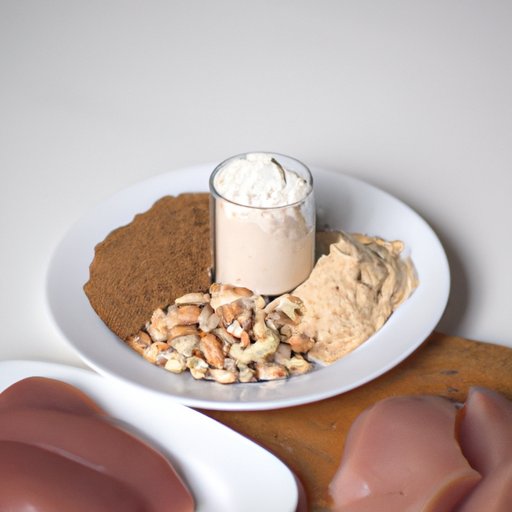
Protein is an essential part of any diet, providing key nutrients that help keep your body functioning optimally. But with all the different sources of protein available, it can be difficult to know just how much protein you should be eating in order to get the most benefit. This article will explore the science behind protein intake guidelines and provide an overview of the best sources of protein for a balanced diet.

A Guide to How Much Protein You Need in Your Diet
The first step in understanding how much protein you need in your diet is calculating your optimal amount. This can be done by determining your basel metabolic rate (BMR) – the number of calories your body needs to function properly – and then adjusting your daily calorie intake accordingly. Generally speaking, experts recommend that 10-35% of your total daily calorie intake come from protein.
Once you’ve determined your optimal amount of protein, it’s important to understand the role that macronutrients play in your diet. Macronutrients are the three main types of nutrients – carbohydrates, proteins and fats – that provide energy for your body. Each of these macronutrients has its own unique benefits, and understanding how they work together can help you create a balanced diet that meets your individual needs.
Eating Enough Protein: What Does the Science Say?
Eating the right amount of protein is important for maintaining good health. Studies have found that consuming adequate amounts of protein can help increase muscle mass, improve metabolism, and promote better bone health. Consuming too little protein, on the other hand, can lead to weight gain, fatigue, and weakened immunity.
Current recommendations suggest that adults consume 0.8 grams of protein per kilogram of body weight per day. For example, if you weigh 80 kilograms, you should aim to consume 64 grams of protein per day. Of course, this recommendation may vary depending on factors such as age, gender, activity level and overall health.
The Best Sources of Protein for a Balanced Diet
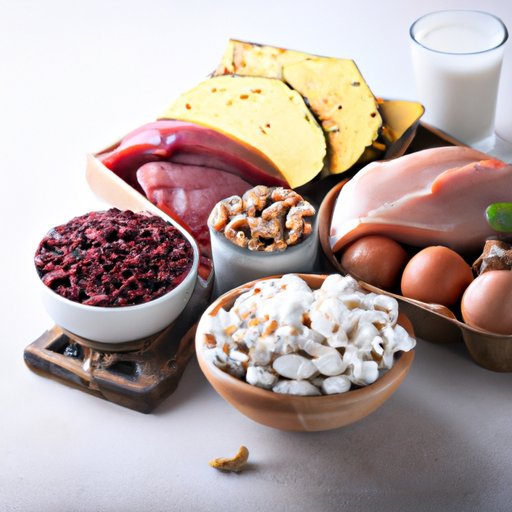
When it comes to getting enough protein in your diet, there are plenty of options available. Here are some of the best sources of protein for a balanced diet:
- Lean meats: Lean meats such as chicken, turkey, and fish are excellent sources of protein. They also provide essential vitamins and minerals such as iron and zinc.
- Dairy products: Dairy products such as milk, cheese, and yogurt are rich in calcium and protein. They can also help keep bones strong and healthy.
- Nuts and seeds: Nuts and seeds are packed with protein, fiber, and healthy fats. They make a great snack or addition to salads and other dishes.
- Plant-based proteins: Plant-based proteins such as beans, lentils, and quinoa are excellent sources of protein. They’re also high in fiber, vitamins, and minerals.
Benefits of Eating the Right Amount of Protein
Eating the right amount of protein can offer numerous health benefits. Here are some of the top advantages of getting enough protein in your diet:
- Increased muscle mass: Eating enough protein can help build and maintain lean muscle mass. This can improve strength and performance during physical activity.
- Improved metabolism: Protein helps regulate hormones and enzymes involved in metabolism. Eating enough protein can help boost your metabolism and make it easier to lose or maintain weight.
- Better bone health: Adequate protein intake is necessary for proper bone growth and maintenance. Studies have found that getting enough protein can help reduce the risk of osteoporosis and fractures.
Understanding Macronutrients: How Much Protein Should You Eat?
Now that you understand the benefits of getting enough protein in your diet, let’s take a look at how much you should be eating. The recommended daily intake of protein is 0.8 grams per kilogram of body weight per day. However, this recommendation may vary depending on several factors, such as age, gender, activity level, and overall health.
For example, athletes and people who are very active may need to consume more protein than the average person in order to support their increased activity levels. Similarly, individuals who are trying to lose weight may need to adjust their protein intake accordingly in order to maximize fat loss.

Protein Intake: What the Experts Recommend
In general, experts recommend that 10-35% of your total daily calorie intake come from protein. As mentioned above, this recommendation may vary depending on individual factors, so it’s important to speak to a healthcare professional before adjusting your protein intake. Additionally, it’s always a good idea to consult with a registered dietitian to ensure that you’re getting the right amount of protein for your individual needs.
When choosing sources of protein, opt for lean meats, dairy products, nuts and seeds, and plant-based proteins whenever possible. These foods contain essential vitamins and minerals that can help keep your body functioning optimally. Additionally, try to avoid processed meats, which are often high in saturated fat and sodium.
Conclusion
Protein is an essential nutrient that plays an important role in overall health and wellbeing. Eating the right amount of protein can help increase muscle mass, improve metabolism, and promote better bone health. In order to get the most benefit, it’s important to calculate your optimal amount of protein and understand the role that macronutrients play in your diet.
When it comes to sources of protein, lean meats, dairy products, nuts and seeds, and plant-based proteins are all excellent choices. Remember to consult with a healthcare professional or registered dietitian before making any changes to your diet, and always strive to create a balanced diet that meets your individual needs.
(Note: Is this article not meeting your expectations? Do you have knowledge or insights to share? Unlock new opportunities and expand your reach by joining our authors team. Click Registration to join us and share your expertise with our readers.)