
Introduction
Protein is an important macronutrient that plays a major role in muscle growth and repair. When it comes to muscle building, protein is essential for providing the body with the raw materials it needs to build muscle mass. But how much protein should you be eating to build muscle? In this article, we’ll explore the various factors that affect your optimal protein intake for muscle building, as well as strategies for getting enough protein in your diet.

Calculating Your Optimal Protein Intake for Muscle Building
The first step in determining your optimal protein intake for muscle building is calculating your daily caloric needs. This will help you determine how much food you need to eat each day, including the amount of protein needed to meet your goals. Generally speaking, most people need between 15 to 20 calories per pound of body weight per day to maintain their current weight.
Once you know your daily caloric needs, you can then calculate your daily protein needs. The general recommendation is to consume 0.8 grams of protein per kilogram of body weight per day. For example, if you weigh 150 pounds (68 kg), you should aim to consume 54 grams of protein per day (68 kg x 0.8 g/kg).

Eating Enough Protein to Maximize Muscle Growth
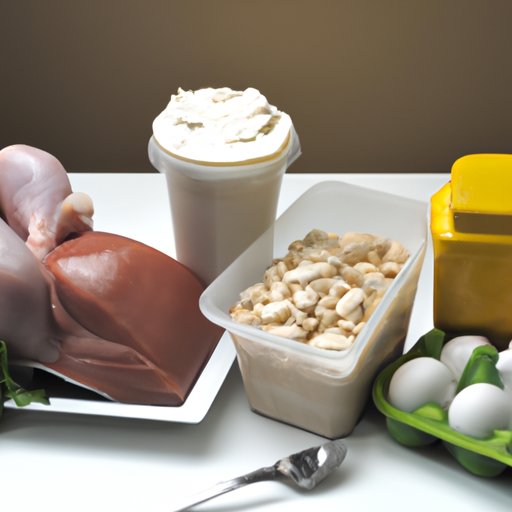
In order to maximize muscle growth, you need to get enough protein in your diet. Protein is made up of amino acids, which are the building blocks of muscle tissue. Without adequate protein intake, your body won’t have the raw materials it needs to build muscle mass. To ensure you’re getting enough protein, focus on eating a variety of high-protein foods such as lean meats, fish, eggs, nuts, and legumes.
It can also be helpful to incorporate protein shakes into your diet. Protein shakes are convenient and easy to make, and they provide your body with a quick burst of protein. Look for proteins powders that are low in sugar and contain at least 20 grams of protein per serving. You can also add other ingredients like fruits and nut butter to make them more filling and nutritious.
How Much Protein Should You Eat to Build Muscle?
When it comes to determining how much protein you should eat to build muscle, there are several factors to consider. Your age, gender, activity level, and fitness goals all play a role in determining your optimal protein intake. Generally speaking, most adults should aim to consume 0.8 to 1.2 grams of protein per kilogram of body weight per day.
For example, a 140-pound (64 kg) woman who exercises regularly should aim to consume 51 to 77 grams of protein per day (64 kg x 0.8 g/kg to 64 kg x 1.2 g/kg). If she is trying to gain muscle mass, she should aim to consume closer to the higher end of the range.
The Role of Protein in Muscle Building
Consuming adequate amounts of protein is essential for muscle building. Protein provides the body with the building blocks it needs to repair and rebuild muscle tissue after exercise. According to a study published in the American Journal of Clinical Nutrition, consuming high-quality protein before and after exercise can help increase muscle protein synthesis, which is the process by which muscle tissue is built.
In addition, consuming adequate amounts of protein can help prevent muscle loss. A study published in the American Journal of Physiology found that consuming a high-protein diet was associated with greater muscle retention during periods of energy restriction.

A Guide to Protein Intake for Muscle Building
There are many different types of proteins, and each type has its own unique benefits. Whey protein is one of the most popular types of protein, as it is quickly and easily absorbed by the body. Casein protein is another popular option, as it is slowly digested and can help promote muscle growth over a longer period of time. Plant-based proteins like hemp, pea, and soy are also great options.
To get the most out of your protein intake, focus on incorporating a variety of proteins into your diet. Additionally, it can be helpful to spread out your protein intake throughout the day. Aim to consume protein with every meal and snack to ensure your body has a steady supply of amino acids to build and repair muscle tissue.
High Protein Diets for Building Muscle Mass
If you’re looking to maximize muscle growth, you may want to consider a high-protein diet. High-protein diets consist of foods that are high in protein, such as lean meats, fish, eggs, nuts, and legumes. These types of diets can help increase muscle protein synthesis and reduce muscle breakdown, which can lead to increased muscle mass.
When creating a high-protein diet, it’s important to focus on quality over quantity. Choose lean proteins that are high in essential amino acids, such as fish, chicken, turkey, eggs, and Greek yogurt. Additionally, make sure to include other macronutrients like carbohydrates and healthy fats to ensure you’re getting all the nutrients your body needs.
Conclusion
Protein is essential for muscle building, and consuming adequate amounts of protein is key for maximizing muscle growth. In order to get the most out of your protein intake, focus on eating a variety of high-quality proteins and spreading your protein intake throughout the day. With proper nutrition and exercise, you can start building muscle mass with the right amount of protein in your diet.
(Note: Is this article not meeting your expectations? Do you have knowledge or insights to share? Unlock new opportunities and expand your reach by joining our authors team. Click Registration to join us and share your expertise with our readers.)