
Introduction
When it comes to losing weight, one of the most important things to consider is how much fat you should be eating. Your diet’s macronutrient ratios—the ratio of carbohydrates, proteins, and fats—play a key role in weight loss. In this article, we’ll explore why fat intake is important for weight loss, analyze different macronutrient ratios, and provide tips for incorporating healthy fats into your diet.
Analyzing Macronutrient Ratios for Weight Loss: A Guide to How Much Fat You Should Eat
The first step in determining how much fat you should eat for weight loss is calculating your optimal macronutrient ratios. Each person’s body responds differently to different ratios of macronutrients, so it’s important to understand what works best for your individual needs.
Calculating Your Optimal Macronutrient Ratios
Your ideal macronutrient ratios will depend on factors such as your age, activity level, and fitness goals. According to the National Academy of Sports Medicine (NASM), the average adult should aim for a macronutrient ratio of 40% carbohydrates, 30% protein, and 30% fat. However, if you’re looking to lose weight, you may want to adjust your macronutrient ratios to include fewer carbohydrates and more protein and fat.
Understanding Different Macronutrient Ratios and Their Effects on Weight Loss
It’s important to note that not all macronutrient ratios are created equal when it comes to weight loss. According to a study published in the journal Nutrients, a low-carbohydrate, high-protein, and high-fat diet was found to be more effective for weight loss than a low-fat diet. This suggests that increasing your protein and fat intake while reducing your carbohydrate intake can help you reach your weight loss goals.
Exploring the Benefits of Eating Healthy Fats for Weight Loss
In addition to adjusting your macronutrient ratios, it’s also important to focus on eating healthy fats. Not all fats are created equal, and some types of fat can actually help you lose weight. Here are a few of the benefits of eating healthy fats for weight loss.
Omega-3 fatty acids and their Role in Weight Loss
Omega-3 fatty acids are essential fatty acids that can help reduce inflammation and boost metabolism. Studies have found that omega-3 fatty acids can help reduce body fat and aid in weight loss. Good sources of omega-3 fatty acids include salmon, walnuts, flaxseeds, and chia seeds.
Monounsaturated and Polyunsaturated Fats and their Benefits for Weight Loss
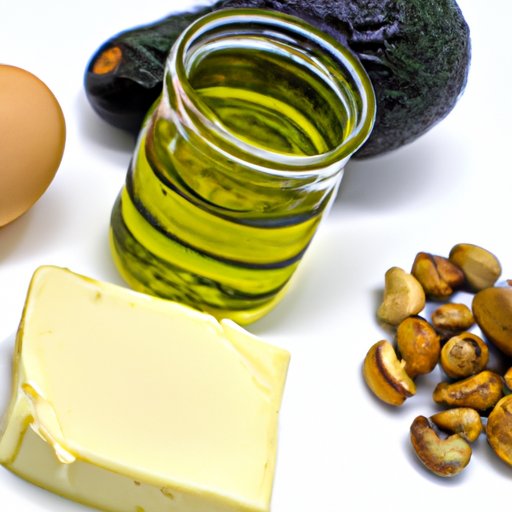
Monounsaturated and polyunsaturated fats are two other types of healthy fats that can help you lose weight. These fats can help reduce cholesterol levels and improve insulin sensitivity, both of which can lead to weight loss. Good sources of monounsaturated and polyunsaturated fats include olive oil, avocados, nuts, and seeds.
Strategies for Calculating Your Optimal Fat Intake for Weight Loss
Once you’ve determined your optimal macronutrient ratios, you can start calculating your optimal fat intake for weight loss. Here are a few strategies for doing so.
Estimating Your Total Fat Requirements
A good starting point for estimating your total fat requirements is to multiply your body weight in kilograms by 0.8. For example, if you weigh 70 kg, your total fat requirement would be 56 g per day. From there, you can adjust your fat intake depending on your individual needs and goals.
Determining Your Ideal Fat Ratio for Weight Loss
Once you’ve estimated your total fat requirements, you can determine your ideal fat ratio for weight loss. The American Heart Association recommends aiming for a ratio of 25-30% of your daily calories from fat. So, if you’re consuming 2,000 calories per day, your fat intake should be between 50-60 g per day.
A Comprehensive Look at Low-Fat Diets for Weight Loss
Low-fat diets have long been touted as an effective approach to weight loss. But are they really? Here’s a comprehensive look at low-fat diets for weight loss.
Pros and Cons of Low-Fat Diets
One of the main benefits of a low-fat diet is that it can help reduce your overall calorie intake. This can lead to weight loss over time. However, low-fat diets can also be lacking in essential nutrients, such as vitamins and minerals. Additionally, research has found that low-fat diets may not be as effective for weight loss as high-fat diets.
Exploring the Effects of Low-Fat Diets on Weight Loss
A study published in the Journal of the American Medical Association found that low-fat diets were no more effective for weight loss than higher-fat diets. In fact, the study found that people who ate higher-fat diets lost more weight than those who ate low-fat diets. This suggests that a higher-fat diet may be more effective for weight loss than a low-fat diet.

Tips for Incorporating Healthy Fats into Your Diet for Weight Loss
If you’re looking to lose weight, it’s important to incorporate healthy fats into your diet. Here are a few tips for doing so.
Choosing Healthy Sources of Fats
When choosing healthy sources of fats, opt for foods that are rich in unsaturated fats, such as olive oil, avocados, nuts, and seeds. Avoid processed foods that contain trans fats, which can increase your risk of heart disease and stroke. Additionally, limit your intake of saturated fats, which can raise your cholesterol levels.
Using Healthy Fats to Enhance the Flavor of Meals
Healthy fats can also be used to enhance the flavor of meals. For example, adding olive oil or nut butter to smoothies can add flavor and texture. Or try adding nuts or seeds to salads or yogurt for a crunchy, flavorful boost.
Conclusion
Eating healthy fats is an important part of any weight loss plan. By understanding how much fat you should eat and incorporating healthy sources of fat into your diet, you can achieve your weight loss goals. Don’t forget to adjust your macronutrient ratios accordingly and focus on eating healthy sources of fats to maximize your weight loss results.
(Note: Is this article not meeting your expectations? Do you have knowledge or insights to share? Unlock new opportunities and expand your reach by joining our authors team. Click Registration to join us and share your expertise with our readers.)