
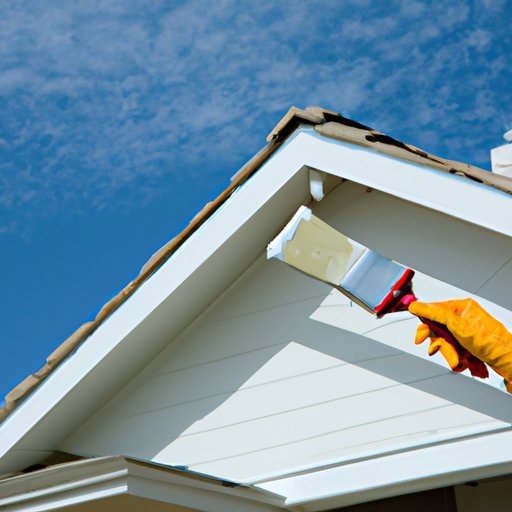
Introduction
Painting your house is an effective way to make it look brand new and add value to your property. But how much does it cost to paint a house? That depends on a number of factors including the size of the house, type of paint used, and whether you hire a professional painter or do the job yourself. In this article, we’ll explore all of these factors to help you estimate the cost to paint your house.

Comparing the Cost of DIY vs Professional House Painting
When it comes to painting a house, you have two options: Do it yourself (DIY) or hire a professional painter. While DIY house painting may save you money in the short term, it’s important to consider the pros and cons before making a decision.
Pros and Cons of DIY House Painting
The biggest advantage of painting your own house is that it’s cheaper than hiring a professional painter. According to HomeAdvisor, the average cost to paint a house is $2,500, but if you do it yourself, you’ll only have to pay for the materials. However, DIY house painting also has some drawbacks. It takes time and effort, and if you’re not experienced, you may end up with an uneven finish or paint drips. Plus, you’ll need to buy or rent the right tools and equipment, which can add to the cost.
Pros and Cons of Professional House Painting
Hiring a professional painter has its own set of advantages and disadvantages. The biggest benefit is that it saves you time and effort, and the finished product will look better than if you did it yourself. However, professional house painting can be expensive, and the cost varies depending on the size of the house, the type of paint used, and any additional services needed. According to a survey conducted by HomeAdvisor, the average cost to hire a professional house painter is $4,800.
Exploring the Factors that Determine the Cost of House Painting
There are several factors that can affect the cost of house painting, so it’s important to understand them before you start planning your project. Here are some of the key factors to consider:
Type of Paint Used
The type of paint you choose will have a big impact on the cost of your project. According to a study by Consumer Reports, the cheapest paints (such as latex or acrylic) cost around $15 per gallon while higher-end paints (such as oil-based) can cost up to $50 per gallon.
Size of the House
The size of the house is one of the most important factors when estimating the cost to paint a house. Generally speaking, larger houses require more labor and materials, which means they’ll cost more to paint.
Number of Rooms
The number of rooms in your house can also affect the cost of painting. If you have more rooms, you’ll likely need to purchase more paint and hire more workers, which will increase the cost of the project.
Location
Where you live can also have an effect on the cost of house painting. In general, urban areas tend to have higher costs due to higher labor rates and higher prices for materials.
Specialized Services
If you need any specialized services such as pressure washing or deck staining, this will add to the cost of the project. Make sure to factor in any additional services when you’re estimating the cost of house painting.

A Guide to Estimating the Cost to Paint a House
Now that you know the factors that determine the cost of house painting, you can start to estimate the cost of your own project. Here’s a guide to help you get started:
Calculating Labor Costs
Labor costs are typically the biggest expense when painting a house. To estimate labor costs, multiply the number of hours required to complete the job by the hourly rate of the painter. For example, if it takes 10 hours to paint a room and the painter charges $25 per hour, the labor cost would be $250.
Calculating Material Costs
Material costs will depend on the size of the house, the type of paint used, and any additional materials needed for the project. To estimate material costs, calculate the total square footage of the house and multiply it by the price per gallon of the paint. For example, if the house is 2,000 square feet and the paint costs $30 per gallon, the material cost would be $60.

How to Save Money When Hiring a Painter for Your Home
If you decide to hire a professional painter, there are a few things you can do to save money. Here are some tips:
Get Quotes from Multiple Contractors
One of the best ways to save money is to get quotes from multiple contractors. This will give you an idea of the going rate for house painting in your area, and it will also give you leverage to negotiate the price.
Ask About Discounts or Offers
Many painters offer discounts or special offers, so don’t be afraid to ask. You may be able to get a lower price if you book multiple rooms or if you hire the painter during their slow season.
Consider Buying Materials Yourself
Some painters charge a markup on the materials they use, so you may be able to save money by buying the materials yourself. Just make sure you get the right type and amount of paint for the job.
The Pros and Cons of Different Types of Paint for Exterior House Painting
When it comes to house painting, there are three main types of paint to choose from: latex, oil-based, and acrylic. Each type has its own pros and cons, so it’s important to consider all of them before making a decision.
Latex Paint
Latex paint is the most popular type of paint for exterior house painting. It’s easy to apply, it’s durable, and it’s relatively inexpensive. The main downside is that it can fade over time.
Oil-Based Paint
Oil-based paint is more expensive than latex paint, but it’s also more durable and resistant to fading. The downside is that it’s harder to apply and it releases volatile organic compounds (VOCs) into the air.
Acrylic Paint
Acrylic paint is the most expensive option, but it’s also the most durable and fade-resistant. It’s also easy to apply and doesn’t release VOCs into the air. The downside is that it takes longer to dry than other types of paint.
A Breakdown of Average Painting Costs by Room Size
The cost to paint a house varies depending on the size of the house, but here’s a general breakdown of average painting costs by room size:
Small Rooms
For small rooms (under 500 square feet), the average cost to paint a house is around $500. This includes the cost of labor and materials.
Medium Rooms
For medium-sized rooms (500–1,000 square feet), the average cost is around $1,000. This includes the cost of labor and materials.
Large Rooms
For large rooms (over 1,000 square feet), the average cost is around $2,000. This includes the cost of labor and materials.

Tips for Getting the Most Out of Your House Painting Budget
Once you’ve estimated the cost of your house painting project, you can start planning your budget. Here are some tips to help you get the most out of your budget:
Choose Quality Materials
It’s important to invest in quality materials for your house painting project. Cheap materials won’t last as long, so you’ll end up spending more money in the long run.
Prepare the Surface Properly
Before you start painting, make sure to prepare the surface properly. This includes scraping off old paint, sanding, and applying primer. Taking the time to do this will ensure that your paint job looks great and lasts longer.
Plan Ahead
Finally, make sure to plan ahead. Set aside enough time to get the job done, and make sure you have all the supplies you need before you start painting. This will help you avoid any unnecessary delays or extra costs.
Conclusion
Painting your house is an effective way to make it look brand new and add value to your property. The cost to paint a house varies depending on the size of the house, type of paint used, and other factors. By understanding these factors and estimating the cost of your project, you can make sure you stay within your budget and get the best results for your house painting project.
(Note: Is this article not meeting your expectations? Do you have knowledge or insights to share? Unlock new opportunities and expand your reach by joining our authors team. Click Registration to join us and share your expertise with our readers.)