
Introduction
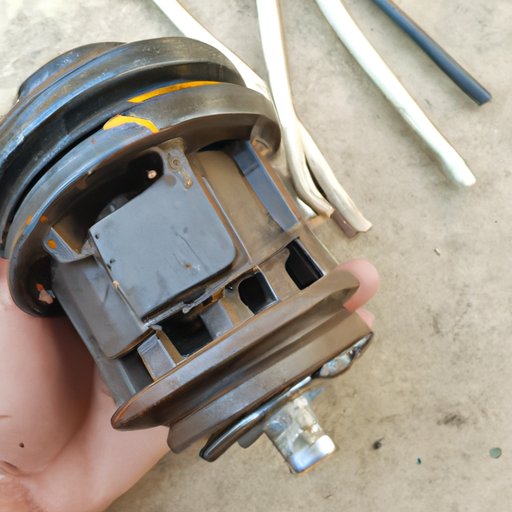
A starter is an essential component of any vehicle’s electrical system. It’s responsible for turning the engine over to start it up. Without a functional starter, your car won’t be able to start. That’s why it’s important to know how much a starter costs.
The cost of a starter depends on several factors, including the type of vehicle, the quality of the starter, and labor costs. In this article, we’ll explore all these factors in detail and provide you with a comprehensive guide to starter prices.

Cost Comparison: Starter Prices for Different Vehicle Types
The cost of a starter varies depending on the type of vehicle you have. Here’s a breakdown of the average cost of starters for different types of vehicles:
Cars
The average cost of a starter for a car is between $150 and $400. Higher-end cars may require more expensive starters, so the cost can go up to $600 or more, depending on the make and model.
Trucks
The average cost of a starter for a truck is between $100 and $500. The cost may vary depending on the size of the truck and the type of engine.
SUVs
The average cost of a starter for an SUV is between $250 and $650. Again, the cost may vary depending on the make and model of the SUV.
Motorcycles
The average cost of a starter for a motorcycle is between $50 and $150. However, the cost can vary significantly depending on the type of bike.
Boats
The average cost of a starter for a boat is between $200 and $800. This cost can vary depending on the size and type of boat.
How Much Does it Cost to Replace a Starter?
In addition to the cost of the starter itself, there are other factors that can affect the total cost of replacing a starter. On average, it costs between $400 and $900 to replace a starter. The total cost will depend on the type of vehicle, the quality of the parts, and labor costs.
What Factors Affect the Price of a Starter?
There are several factors that can affect the price of a starter, including brand, quality, labor costs, and location. Here’s a closer look at each factor:
Brand
The brand of the starter can affect the price. Some brands are more reliable than others, so they tend to cost more. It’s important to do your research and find a reliable brand that offers a good price.
Quality
The quality of the starter can also affect the price. Higher-quality starters tend to be more reliable and last longer, so they cost more. It’s important to choose a starter that meets your needs and budget.
Labor Costs
Labor costs can add significantly to the total cost of replacing a starter. Professional mechanics typically charge an hourly rate for labor, so it’s important to get an estimate before starting the job.
Location
The location of the shop where you’re having the starter replaced can affect the cost. Shops in larger cities tend to charge more for labor than shops in smaller towns. It’s important to compare prices before committing to a shop.
Starter Maintenance: How to Make Sure You Get the Best Price
Regular maintenance is the best way to make sure you get the best price on a starter. Here are some tips for keeping your starter in top shape:
Regular Inspections
It’s important to have your starter inspected regularly. This will help you catch any problems early, which can save you money in the long run.
Cleaning and Lubrication
It’s also important to keep your starter clean and lubricated. This will help ensure that it works properly and lasts longer.
Upgrading Your Starter
If your starter is old or worn out, it may be worth upgrading to a higher-quality starter. This can improve performance and extend the life of your starter.
How Much Will My Mechanic Charge to Install a Starter?
The cost of labor for installing a starter can vary significantly. Most mechanics charge an hourly rate for labor, which can range from $50 to $100 per hour. This cost can increase if the job requires special tools or takes longer than expected.
In addition to labor costs, you’ll also need to pay for the parts. The cost of the parts will depend on the type of starter you’re replacing and the quality of the parts. It’s important to get an estimate before starting the job.
Finally, some shops may charge additional fees for things like shop supplies or disposal fees. Be sure to ask your mechanic about any additional fees before starting the job.
What Are the Most Affordable Starters on the Market?
When shopping for a starter, it’s important to compare prices and read reviews. There are many affordable starters on the market, so it’s important to do your research and find the one that best fits your needs and budget.
You can also compare ratings and reviews to see which starters are the most reliable. This can help you find the most affordable starter that still offers good quality.
DIY Starter Replacement: Is It Worth the Cost?
Replacing a starter yourself can save you money, but it’s important to weigh the pros and cons carefully before deciding whether or not it’s worth the cost. Here are some things to consider:
Pros and Cons
DIY starter replacement can save you money, but it can also be dangerous if you don’t know what you’re doing. It’s important to understand the risks before attempting a DIY repair.
Tools and Parts Needed
Replacing a starter requires specific tools and parts. Make sure you have the right tools and parts before you start the job. If you don’t have the right tools or parts, it may be better to hire a professional.
Step-by-Step Instructions
If you decide to attempt a DIY starter replacement, it’s important to follow step-by-step instructions. This will help ensure that the job is done correctly and safely.
Conclusion
Knowing the cost of a starter is essential for any vehicle owner. The cost of a starter depends on several factors, including the type of vehicle, the brand, and labor costs. It’s important to do your research and compare prices to make sure you’re getting the best deal.
Regular maintenance is the best way to ensure that your starter stays in top shape. Cleaning and lubricating the starter regularly can help extend its life and reduce the cost of replacement. Finally, if you’re considering a DIY starter replacement, it’s important to weigh the pros and cons carefully before making a decision.
(Note: Is this article not meeting your expectations? Do you have knowledge or insights to share? Unlock new opportunities and expand your reach by joining our authors team. Click Registration to join us and share your expertise with our readers.)