
Introduction
Property managers are responsible for overseeing the operations of rental properties. They may manage single-family homes, apartment complexes, office buildings, or other types of real estate. The role of a property manager includes collecting rent, responding to tenant inquiries, addressing maintenance issues, and ensuring compliance with local laws and regulations. As such, it is a highly demanding job that requires strong organizational and interpersonal skills. So, how much does a property manager make?
Analyzing the Average Salary of Property Managers
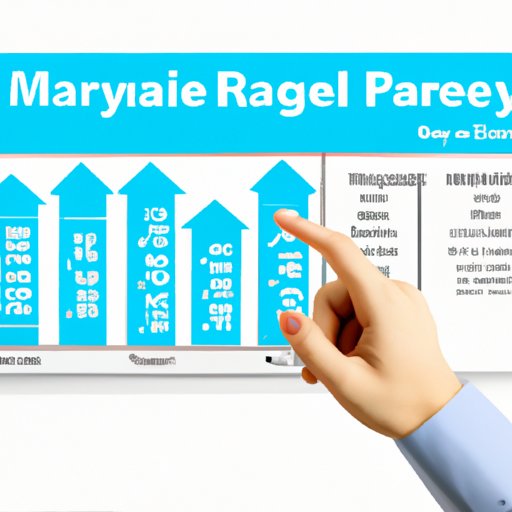
The Bureau of Labor Statistics (BLS) reports that the median annual wage for property managers was $60,370 in May 2019. This means that half of all property managers earned more than this amount, while the other half earned less. However, wages can vary significantly depending on the location, industry, and employer.
National Average Salary
According to PayScale, the national average salary for property managers is $50,426 per year. This figure is up slightly from the previous year, when the average salary was reported to be $49,873. However, the actual salary will depend on a variety of factors, including the size of the property, the type of tenants, and the level of responsibility.
Average Salary by State
In some parts of the country, property managers can earn significantly more than the national average. For instance, property managers in California earn an average of $65,878 per year, while those in Texas make an average of $58,785. On the other hand, property managers in Mississippi earn an average of $45,903, and those in Vermont make an average of $47,563.

Examining the Range of Salaries for Property Managers
The range of salaries for property managers can vary greatly depending on the size of the property, the type of tenants, and the level of responsibility. In general, those who manage larger properties and have more experience tend to earn higher salaries.
High-Paying Positions
Property managers with experience managing large properties, such as apartment complexes or office buildings, can earn significantly more than the national average. According to the BLS, the highest 10 percent of property managers make over $99,000 per year. Those with specialized knowledge of certain areas, such as construction or finance, may also be able to command higher salaries.
Low-Paying Positions
On the other end of the spectrum, property managers who manage smaller properties and have less experience can expect to earn lower salaries. According to PayScale, the lowest 10 percent of property managers make less than $33,000 per year. In addition, those who work for smaller companies may not receive the same benefits and bonuses as those who work for larger organizations.
Exploring the Impact of Location on Property Managers’ Pay
Location can have a significant impact on a property manager’s salary. In addition to state-to-state differences, there can be significant variations within states due to cost of living and regional differences.
Cost of Living
The cost of living in an area can have a direct impact on a property manager’s salary. For example, according to the Council for Community and Economic Research, the cost of living in San Francisco is significantly higher than the national average. As such, a property manager in San Francisco would need to make more money to maintain the same standard of living as someone in a less expensive city.
Regional Differences
In addition to cost of living, there can be significant regional differences in salaries for property managers. For instance, according to PayScale, property managers in major metropolitan areas such as New York City and Los Angeles tend to earn higher salaries than those in smaller cities and rural areas.
Reviewing the Benefits and Bonuses Offered to Property Managers
In addition to their base salary, property managers may receive a variety of benefits and bonuses. These may include paid time off, retirement plans, health insurance, and performance-based bonuses.
Paid Time Off
Most employers offer paid time off to their employees, including property managers. This may include vacation days, sick days, and personal days. The amount of time off offered will vary depending on the employer, but it is typically around 10 to 15 days per year.
Retirement Plans
Many employers offer retirement plans, such as 401(k)s, to their property managers. These plans allow employees to save for retirement on a tax-deferred basis, which can help them save for the future. Employers may also offer matching contributions, which can help employees maximize their retirement savings.
Health Insurance
Most employers offer health insurance to their property managers. This may include medical, dental, and vision coverage. Some employers may also offer additional benefits, such as life insurance and disability insurance.
Investigating the Factors that Affect a Property Manager’s Salary
A number of factors can affect a property manager’s salary. These include the individual’s education level, experience level, and specialized skills.
Education Level
Property managers with higher levels of education tend to earn higher salaries. According to the BLS, those with a bachelor’s degree in business or a related field can expect to earn higher salaries than those with only a high school diploma. Additionally, those with advanced degrees, such as a master’s in business administration, may be able to command even higher salaries.
Experience Level
Experience is another important factor in determining a property manager’s salary. Those with more experience managing larger properties tend to earn higher salaries than those with less experience. Additionally, those with experience in specific areas, such as construction or finance, may be able to earn higher salaries.
Specialized Skills
Property managers with specialized skills may be able to command higher salaries. For instance, those with knowledge of computer systems, accounting software, or legal issues may be able to earn more than those without such skills. Additionally, those with experience working with certain types of tenants, such as seniors or low-income individuals, may be able to earn more than those without such experience.
Comparing the Earnings of Property Managers in Different Industries
Property managers can work in a variety of industries, including residential, commercial, and hospitality. Each industry has its own unique set of challenges, and salaries can vary significantly between industries.
Residential Property Management
Residential property managers are responsible for managing single-family homes, condominiums, and apartment complexes. According to PayScale, the average salary for residential property managers is $50,218 per year. This figure is slightly lower than the national average, but it can vary significantly depending on the size of the property and the type of tenants.
Commercial Property Management
Commercial property managers are responsible for managing office buildings, shopping centers, and other types of commercial real estate. According to Payscale, the average salary for commercial property managers is $53,415 per year. This figure is slightly higher than the national average, and it can vary significantly depending on the size of the property and the type of tenants.
Hospitality Property Management
Hospitality property managers are responsible for managing hotels, resorts, and other types of hospitality properties. According to PayScale, the average salary for hospitality property managers is $55,735 per year. This figure is slightly higher than the national average, and it can vary significantly depending on the size of the property and the type of guests.
Conclusion
Property managers play an important role in managing rental properties. They must have strong organizational and interpersonal skills to be successful in the field. The salary of a property manager can vary significantly depending on the location, industry, and employer. In general, those who manage larger properties and have more experience tend to earn higher salaries. Additionally, those with higher levels of education, specialized skills, and experience in certain areas may be able to command higher salaries. Finally, property managers may receive a variety of benefits and bonuses, such as paid time off, retirement plans, and health insurance.
For prospective property managers, it is important to research the salaries in different areas and industries before pursuing a career in the field. Having a clear understanding of the potential earnings can help ensure that you are making a wise decision. With the right skills and experience, property managers can make a good living in this rewarding field.
(Note: Is this article not meeting your expectations? Do you have knowledge or insights to share? Unlock new opportunities and expand your reach by joining our authors team. Click Registration to join us and share your expertise with our readers.)