
Introduction
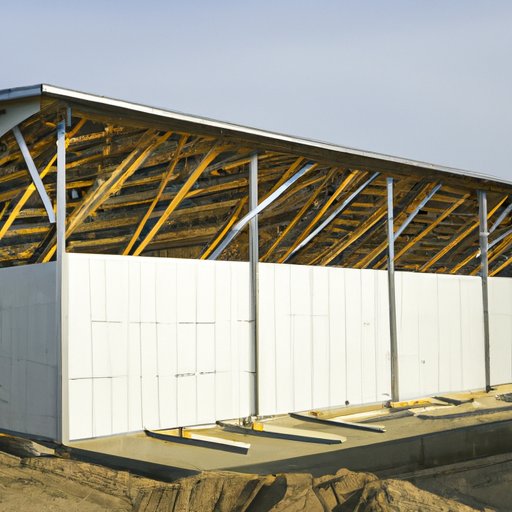
A barn is a large structure used to store agricultural equipment, livestock, hay, and other supplies. It is typically constructed from wood or metal and can range in size from small sheds to large buildings that can fit multiple vehicles. The cost of building a barn varies greatly depending on its size, materials, and location. In this article, we will explore the various factors that influence the cost of a barn as well as provide some tips for keeping costs down.
Cost Comparison: How Much Does a Barn Cost?
The cost of building a barn can vary significantly depending on the type of barn you choose, the materials you use, and the location of the property. Generally speaking, the cost of building a barn ranges from $10,000 for a small shed-style barn to upwards of $100,000 for a larger, more elaborate structure.

Factors That Influence the Cost of Building a Barn
When it comes to determining the cost of building a barn, there are several factors to consider. These include the size of the barn, the materials used, the labor costs involved, and the location of the property. Here is a closer look at how each of these variables impacts the total cost of building a barn.
Size of the Barn
The size of the barn is one of the most important factors when it comes to determining the cost. As a general rule of thumb, larger barns will cost more than smaller ones. This is because larger barns require more materials, labor, and time to build. Additionally, larger barns may also require additional permits and inspections, which can add to the cost.
Materials Used
The materials used to construct the barn will also affect the total cost. Wood is often the most affordable material, but it does require regular maintenance and may not be as durable as other materials. Steel and aluminum are more expensive options, but they are much more durable and require less maintenance. Additionally, there are also a variety of prefabricated barns available that may be more cost effective.
Labor Costs
Labor costs can also have a significant impact on the overall cost of building a barn. If you plan to hire a professional to construct your barn, you should expect to pay an hourly rate or a flat fee for their services. In addition to the labor costs, you may also be responsible for paying for any necessary permits or inspections.
Location of the Property
The location of the property can also have an effect on the cost of building a barn. Depending on the local regulations, you may need to obtain special permits or adhere to certain building codes. Additionally, the cost of materials may vary based on where you live. For instance, materials may be more expensive in rural areas due to higher transportation costs.
10 Tips for Saving Money When Building a Barn
If you’re looking to save money on your next barn project, here are 10 tips to keep in mind:
1. Consider Prefabricated Barns
Prefabricated barns are a great option for those who want to save time and money. These barns come pre-assembled and are usually much cheaper than custom-built barns. Additionally, many prefabricated barns come with all the necessary hardware and tools, so you don’t have to worry about purchasing them separately.
2. Get Multiple Quotes
When shopping for a barn, it’s important to get quotes from multiple companies. This will allow you to compare prices and ensure that you’re getting the best deal possible.
3. Do Your Research
Before making any decisions, do your research. Read reviews and talk to people who have purchased similar barns. This will help you make an informed decision and ensure that you’re getting the best value for your money.
4. Look for Discounts or Special Offers
Many companies offer discounts or special offers on their products. Be sure to check for any promotions or discounts that you may qualify for before making your purchase.
5. Invest in Quality Materials
It’s important to invest in quality materials if you want your barn to last. Although it may be tempting to skimp on materials in order to save money, this could end up costing you more in the long run.
6. Compare Prices Between Local and Online Suppliers
Local suppliers usually have better prices than online stores, so it’s worth comparing prices between the two. Additionally, local suppliers may also offer discounts or special offers that you won’t find online.
7. Consider Used Materials
If you’re on a tight budget, consider buying used materials. You can often find good quality materials at a fraction of the cost of new materials.
8. Hire Professional Help
Hiring a professional builder can help ensure that your barn is built correctly and safely. However, it’s important to shop around to find the best price for the job.
9. Reuse Existing Structures
If you already have an existing structure on your property, you may be able to reuse it to construct your barn. This can save you time and money, as you won’t have to purchase new materials.
10. Consider the Long-Term Costs
It’s important to think about the long-term costs associated with building a barn. Make sure to factor in the cost of maintenance and repairs into your budget.
A Beginner’s Guide to Buying a Barn
Buying a barn is a big decision and there are a few things you should consider before making your purchase. Here is a quick guide to help you get started:
What Type of Barn Is Right for You?
The first step is to decide what type of barn is right for you. Are you looking for a large structure to house your animals or a smaller one to store equipment? Consider your needs and budget when deciding which type of barn is best for you.
Finding the Right Location
Once you’ve decided on the type of barn you need, you’ll need to find the right location for it. Consider the size of the property, the climate, and local zoning regulations when selecting a location for your barn.
Hiring a Professional Builder
If you don’t have the skills or time to build your own barn, you may want to consider hiring a professional builder. Make sure to do your research and get multiple quotes before making your decision.
Financing Your Purchase
Finally, you’ll need to figure out how you’re going to finance your purchase. Many companies offer financing options, so be sure to shop around for the best deal.

The Pros and Cons of Purchasing a Prefabricated Barn
Prefabricated barns are a popular choice for those who want to save time and money. Here are some of the pros and cons of buying a prefabricated barn:
Advantages of Prefabricated Barns
One of the biggest advantages of buying a prefabricated barn is that it is much cheaper and faster to install than a custom-built barn. Additionally, many prefabricated barns come with all the necessary hardware and tools, so you don’t have to purchase them separately.
Disadvantages of Prefabricated Barns
Although prefabricated barns are a great option for those on a budget, there are some drawbacks to consider. Prefabricated barns are usually limited in size and design and may not be able to accommodate all of your needs. Additionally, these barns may require more regular maintenance than custom-built barns.

Understanding the Cost of Building a Custom Barn
If you’re looking for a barn that is tailored to your specific needs, a custom-built barn may be the right choice for you. Here is a closer look at the factors that affect the cost of building a custom barn:
Designing a Custom Barn
When designing a custom barn, it’s important to consider your needs and budget. You’ll need to decide on the exact size, shape, and features that you want in your barn. Once you’ve determined these details, you can start to get an idea of the cost.
Factors That Affect the Cost of Building a Custom Barn
In addition to the design, there are several other factors that can affect the cost of building a custom barn. The materials used, the labor involved, and the location of the property can all have an impact on the total cost. Additionally, you may also need to factor in any permits or inspections that are required.
Conclusion
Building a barn is a major investment and there are many factors to consider when determining the cost. The size of the barn, the materials used, the labor costs, and the location of the property can all have an effect on the total cost. Additionally, there are several ways to save money on your next barn project, such as considering prefabricated barns, getting multiple quotes, and investing in quality materials. Finally, if you’re looking for a barn that is tailored to your specific needs, a custom-built barn may be the right choice for you.
In conclusion, the cost of building a barn varies greatly depending on its size, materials, and location. It’s important to consider all the factors that influence the cost and to do your research before making any decisions. With the right planning and preparation, you can find the perfect barn at the right price.
(Note: Is this article not meeting your expectations? Do you have knowledge or insights to share? Unlock new opportunities and expand your reach by joining our authors team. Click Registration to join us and share your expertise with our readers.)